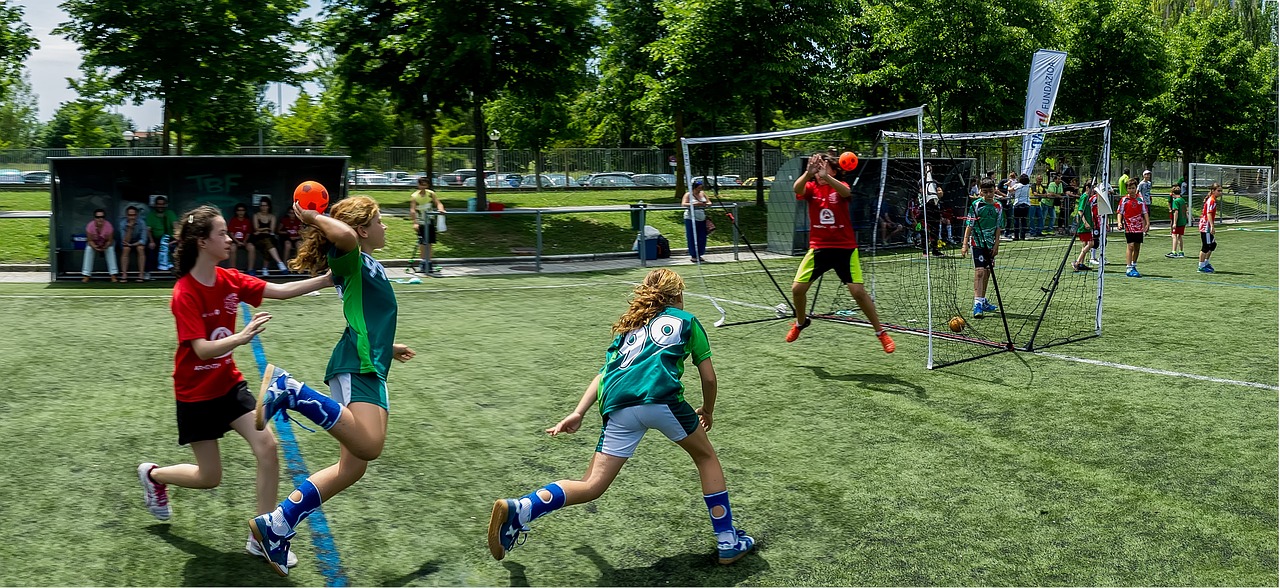

Promoting Social Inclusion through Adapted Physical Activity
Adapted physical activity (APA) plays a significant role in promoting social inclusion for individuals with disabilities or special needs. It involves modifying physical activities and sports to meet the diverse requirements of participants. Such adjustments ensure that everyone, regardless of their physical or cognitive limitations, can engage meaningfully. By participating in adapted physical activities, individuals not only enhance their physical health but also develop essential social skills. Integration within diverse community groups becomes a vital aspect of personal development. Moreover, fostering social inclusion can lead to improved self-esteem and relieves feelings of isolation. Communities that emphasize adapted activities showcase greater support and understanding of diverse needs. Programs specifically aimed at encouraging participation of individuals with disabilities can enhance community spirit and empathy. Collaboration between various stakeholders, such as schools, organizations, and local governments, is crucial for successful implementation. Continued education for trainers and volunteers about inclusion principles is beneficial. A supportive environment, where differences are celebrated, positively impacts individual growth. Ultimately, adapted physical activity serves as a bridge to connect various community members, creating a more inclusive society.
Social inclusion through adapted physical activity greatly benefits individuals by enhancing their physical and mental well-being. Regular participation in these activities leads to improved fitness levels and greater overall health. This physical engagement fosters cardiovascular endurance, strength, and flexibility. Moreover, the enjoyment derived from participating in sports and physical activities positively influences mental health, reducing symptoms of anxiety and depression. Individuals develop perseverance and resilience through overcoming challenges in sports, leading to a stronger sense of achievement. This boost in mental well-being is often accompanied by stronger social bonds formed with fellow participants. Establishing friendships in an inclusive setting is crucial, as it enhances feelings of belonging. Adapted activity sessions serve as an effective platform for social interaction, allowing individuals to share experiences and support each other. Participants often learn important life skills, including teamwork, communication, and leadership. These skills prove essential, extending beyond the sports context to everyday life. Sharing goals and successes can foster camaraderie among participants, leading to larger community ties. To promote such positive outcomes, accessible programs targeting all abilities need sustained support from community members and organizations.
The Role of Educators and Trainers
Educators and trainers play a pivotal role in promoting social inclusion through adapted physical activity. Their commitment makes a significant difference in participant experiences and outcomes. A deep understanding of inclusive practices and differentiated instruction is vital for those working in this field. Educators must be trained to recognize the specific needs and potential adaptations required for each individual. This personalized approach fosters a safe and welcoming environment. A key aspect of effective coaching is promoting positive reinforcement, encouraging participants to try new activities and celebrate their successes. Trainers should cultivate an atmosphere that values progress over competition, fostering intrinsic motivation among participants. Building strong relationships with individuals allows trainers to tailor activities effectively and address any barriers to participation. The use of assistive technologies and equipment can further enhance inclusion, ensuring everyone has the tools needed to engage fully. Continuous professional development for trainers can help them remain updated with best practices and innovative techniques in APA. Support from professional networks and organizations provides valuable resources. Ultimately, trainers who prioritize social inclusion can empower individuals to thrive in both physical and social domains.
Collaborative efforts among community organizations ensure that adapted physical activities are available and accessible to all. Local initiatives create opportunities for individuals with disabilities to participate in structured physical activities. These collaborative efforts can significantly enhance the quality and quantity of resources available. Examples include partnerships between schools, recreational programs, and healthcare providers. Such partnerships leverage diverse expertise and resources, ultimately enriching the community. Additionally, engaging families in programming enhances available support systems for individuals. Awareness campaigns can also further promote the importance of adapted physical activities in fostering inclusion. Engaging local business sponsors can enhance funding efforts, thus creating more opportunities for community activities. Moreover, conducting community events that showcase these adapted programs helps in raising awareness and gathering interest. Considering the unique challenges faced by individuals, holding workshops for community leaders on inclusion principles can ensure a more comprehensive approach. By conducting surveys and listening to community feedback, organizations can refine these offerings to better serve the needs of all individuals. Involving people with disabilities in program design ensures that activities are appropriate and genuinely inclusive, fostering a sense of belonging in the broader community.
Benefits for Families and Caregivers
Families and caregivers also experience significant benefits when their loved ones engage in adapted physical activities. For family members, seeing their relatives participate and thrive socially is profoundly fulfilling. This newfound engagement often alleviates stress and enhances family relationships. Stronger bonds can form as families support each other during activities, forging a shared sense of purpose. Moreover, family participation in events can provide opportunities for families to connect with others facing similar challenges. This shared experience helps in developing networks of support and understanding. Activities that involve all family members lead to a more inclusive family dynamic. Caregivers may also find that their loved ones’ participation positively impacts their ability to handle day-to-day responsibilities. Reduced feelings of isolation can enhance overall family well-being. Additionally, awareness of adapted physical activity may lead caregivers to explore more inclusive community resources, breaking down barriers to access. Support groups facilitate sharing of ideas and coping strategies, while fostering greater resilience among caregivers. Families become advocates for inclusion, raising awareness and promoting participation in their communities. Through these connections, families contribute to a broader culture of inclusivity.
Institutional support is crucial for effective implementation and sustainability of adapted physical activity programs. Schools and local authorities should prioritize resources to ensure access for individuals with disabilities. Flexible scheduling, availability of facilities, and public awareness campaigns play significant roles in these efforts. Financial support from government programs can help facilitate transportation and equipment needs. Inclusive policies should address specific barriers faced by individuals when seeking participation in community activities. Training for staff and volunteers can help ensure that inclusive practices are integrated throughout programs. By setting measurable outcomes, organizations can assess the effectiveness of their adapted programs. Commitment to creating inclusive environments involves adapting curricula to meet diverse needs present in the community. Regular evaluations can identify gaps and areas for improvement, enhancing participant experiences. Engaging stakeholders, including families and community organizations, can strengthen support for such initiatives. The promotion of inclusive practices reflects broader societal beliefs, paving the way for a more interconnected future. Individuals benefit from broader participation opportunities when institutions commit to fostering inclusivity. The ripple effects generated can positively influence perceptions and behaviors towards people with disabilities, transforming community attitudes overall.
Conclusion: The Path Forward
In conclusion, promoting social inclusion through adapted physical activity is essential for fostering acceptance and understanding within communities. Such initiatives cultivate empathy and respect among diverse individuals, positively impacting societal norms. Involvement in adapted programs leads to improvements in fitness, mental health, and social skills for participants. These benefits extend to families and communities, enhancing their overall quality of life. Therefore, we must advocate for greater support for such programs through policies and funding. Inclusive approaches should be woven into the fabric of community services and educational institutions, establishing a supportive environment for all. Enhanced collaborations among stakeholders can drive innovative solutions that meet the needs of individuals with disabilities. As awareness grows, we unlock potential pathways for individuals to thrive. Encouraging participation and fostering improved understanding can transform lives. Individuals should be empowered to share their stories, illustrating the profound impact of inclusion through physical activity. Together, we can create environments where everyone belongs, where differences are celebrated, and where all individuals are given opportunities to participate freely. A sustained commitment to promoting adapted physical activity can usher in a new era of social inclusion that truly benefits all.
Enhancing adaptability promotes accessibility through community-driven efforts, ensuring barriers are eliminated consistently. Likewise, sharing success stories is vital for inspiring others towards similar participation.