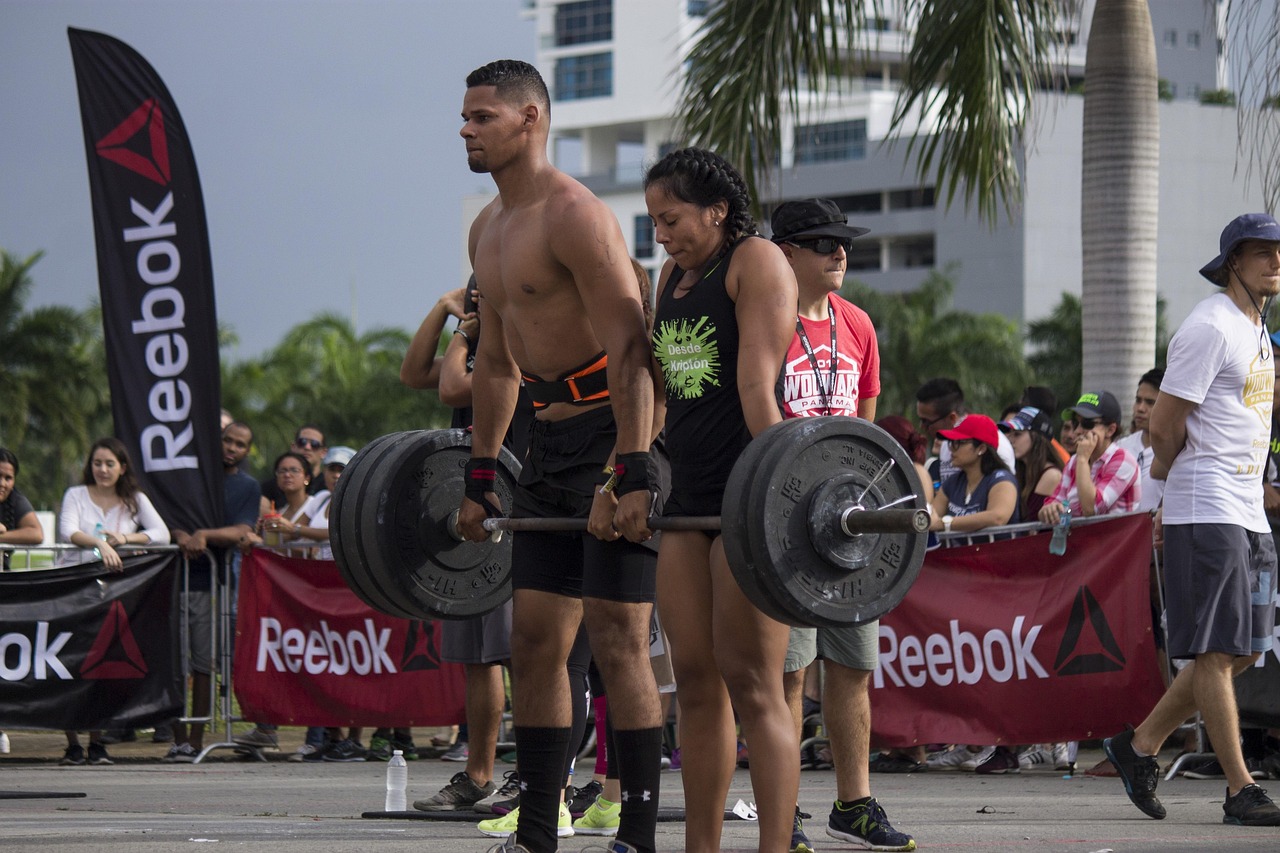

Psychological Approaches to Handle CrossFit Event Pressure
CrossFit competitions are known for their high-intensity atmosphere and competitive edge. To excel under these conditions, psychological preparation can be just as crucial as physical training. One effective strategy is visualization. Athletes should take time each day to envision themselves performing successfully. This technique not only builds confidence but also helps reduce anxiety as they mentally rehearse their routines. Another approach is goal-setting, which provides a clear roadmap to success. Setting realistic, achievable goals can help athletes focus, reducing the overwhelming feeling that often accompanies big events. Additionally, mindfulness practices, such as deep breathing and meditation, help maintain calm and concentration. Understanding the importance of mental strength is essential, as it allows athletes to cope with stress effectively. During competitions, staying present and focused can prevent distractions from affecting performance. Ultimately, managing the psychological aspects of competitive events in CrossFit can dramatically improve performance outcomes and overall enjoyment of the sport. By incorporating these techniques into their training regimen, athletes can be better equipped to handle the pressures that come with CrossFit competitions.
Another important aspect of preparing psychologically for CrossFit events is building a strong support system. Having a network of fellow athletes, friends, and coaches can provide encouragement and motivation. These support systems can help athletes share experiences and coping strategies for managing competition-related stress. It is essential to surround oneself with positive influences that foster resilience and determination. Engaging in regular communication with teammates can alleviate feelings of isolation, commonly experienced by athletes. Furthermore, maintaining a healthy balance between training and relaxation is critical. Athletes must remember to allow time for recovery, which helps sustain mental clarity and emotional stability. Engaging in hobbies outside of CrossFit can also provide a mental break, reducing pressure and enhancing overall enjoyment. Journaling can serve as another tool for processing emotions leading up to competitions. Reflecting on past experiences can foster growth, allowing athletes to learn from both successes and setbacks. Implementing these psychological strategies can be transformative, providing CrossFit athletes with the tools needed to tackle the inevitable challenges of competition, ultimately leading to improved performance and satisfaction.
Coping Mechanisms for Stress Management
Developing effective coping mechanisms is vital as athletes prepare mentally for CrossFit events. Understanding personal triggers for stress can significantly enhance an athlete’s ability to respond effectively. Techniques such as progressive muscle relaxation can help athletes consciously release tension stored in their bodies. This practice not only aids mental clarity but also helps prepare the body for physical activity. Additionally, practicing positive affirmations offers a powerful way to combat negative self-talk that can arise before competitions. Repeating encouraging phrases can enhance confidence significantly and improve performance. Focusing on gratitude is another technique that helps athletes shift perspective. By concentrating on their strengths and achievements rather than fears, athletes can foster a positive mindset. Another essential aspect is learning from past experiences, as examining previous competition performances can highlight areas of improvement. Reflecting on successes can boost confidence. Athletes should maintain a flexible mindset, adapting their strategies when faced with unforeseen challenges. Embracing adaptability allows competitors to remain focused and present, ensuring they are mentally prepared to handle whatever obstacles arise during the event.
Nutritional choices can also impact an athlete’s mental preparedness. Consuming a balanced diet, including carbohydrates, proteins, and healthy fats, fuels both body and mind for optimal performance. Hydration plays a crucial role, as even mild dehydration can negatively affect cognitive function and mood. Therefore, hydration management is indispensable during the lead-up to competitions. Furthermore, limiting caffeine intake can help reduce anxiety levels. Instead, incorporating calming herbal teas can promote relaxation in the days leading up to the event. It is essential to avoid trying new foods during competition week to maintain digestive comfort and mental focus. Establishing an effective pre-event routine can enhance an athlete’s sense of control and predictability. This routine should include aspects like warm-up exercises, nutrition timing, and mental preparation techniques. Keeping these elements consistent allows athletes to enter their events feeling ready and confident. Strengthening discipline around these choices fosters an empowering mindset, leading to peak performance under pressure. By combining nutritional awareness with effective mental strategies, CrossFit athletes can prepare holistically for competitions.
The Role of Coaching in Mental Preparation
Coaching plays a significant role in an athlete’s mental preparation for CrossFit events. Effective coaches understand their athletes’ psychological needs and can employ tailored strategies to foster confidence and resilience. One vital aspect is the coach’s ability to provide constructive feedback while highlighting an athlete’s strengths. This positive reinforcement creates a safe environment for athletes, encouraging them to push boundaries and take risks. Furthermore, coaches can help athletes develop mental toughness by simulating competitive environments during training. This practice prepares athletes to face pressure head-on, promoting adaptability and resourcefulness. Additionally, maintaining open lines of communication allows athletes to express their concerns and anxieties freely. Through dialogue, coaches can guide athletes in developing personalized mental strategies for competition. Encouraging visualization exercises and mindfulness can be beneficial when introduced by the coach as part of the training regimen. The emotional support coaches provide significantly impacts an athlete’s confidence level. Therefore, having a coach who understands the mental aspects of CrossFit can cultivate an atmosphere of trust, ultimately empowering athletes to excel.
In addition to the primary coaching role, fostering a team environment can enhance the psychological preparedness of CrossFit competitors. A tight-knit group of athletes who train together often share accountability and motivation on different levels. In such cases, shared goals inspire collaborative efforts, reinforcing commitment among team members. This built-in support can reduce pressure by converting a potentially solitary experience into one of camaraderie. Engaging in team-building activities encourages communication and strengthens relationships, which serve as vital stress-relief methods. Celebrating each other’s successes, whether big or small, helps create a positive atmosphere surrounding upcoming events. Moreover, employing peer feedback allows athletes to gain insights into different coping mechanisms within their group. The synergy created by a supportive team can significantly influence mental resilience. Athletes can develop collective mental strategies that cover a broader range of pressures and challenges. Team interactions can help athletes realize they’re not alone in their experiences, providing a sense of security and belonging. Building these connections will positively impact personal performance and serve to enhance the overall team dynamic.
Conclusion: Embracing Psychological Strategies
Ultimately, embracing psychological strategies for CrossFit event preparation is essential for athletes aiming to optimize performance. Methodically implementing these techniques fosters mental resilience, enhancing overall experience and achievement. By incorporating visualization, mindfulness, and supportive structures, athletes can approach competitions with confidence and clarity. Understanding personal triggers for stress and employing constructive coping methods empowers individuals to tackle challenges effectively. Structuring nutritional habits positively affects mental acuity and emotional stability, further contributing to overall preparedness. Moreover, surrounding oneself with a supportive community enables athletes to recognize their strength in unity. The symbiotic relationship between mental readiness and physical prowess cannot be underestimated. Properly aligning these aspects can yield transformative results in the arena of competition. Even during occasional setbacks, the psychological techniques acquired during training will persist, helping athletes bounce back more robustly. Proper preparation doesn’t just result in enhanced performance—it also enriches enjoyment and satisfaction during the competitive journey. Emphasizing the psychological elements alongside physical training elevates athletes to new heights in CrossFit and fosters overall personal development.
In summary, strategies addressing psychological preparation for CrossFit events are essential for effective performance. Techniques such as goal setting, visualization, and building support networks lay a robust foundation for personal growth and transformative competition experiences. Additionally, athletes must ensure a balance between mental training and physical preparation for overwhelming success. By recognizing the necessity of psychological strategies and implementing them diligently, athletes will find themselves more capable of navigating the pressures of competitive environments. This holistic approach not only optimizes performance outcomes but also enriches the overall experience of participating in the sport. The mental aspect of athleticism extends well beyond the competition floor, impacting everyday life and personal development. In today’s competitive landscape, mastering these psychological techniques is non-negotiable for aspiring CrossFit athletes. Those who invest in their mental preparation are likelier to excel, build resilience, and navigate challenges in and outside the gym. Ultimately, the synergy of mental and physical training will produce well-rounded athletes proud of their accomplishments and prepared for future endeavors in CrossFit.