
Common Mistakes to Avoid When Using Suspension Trainers
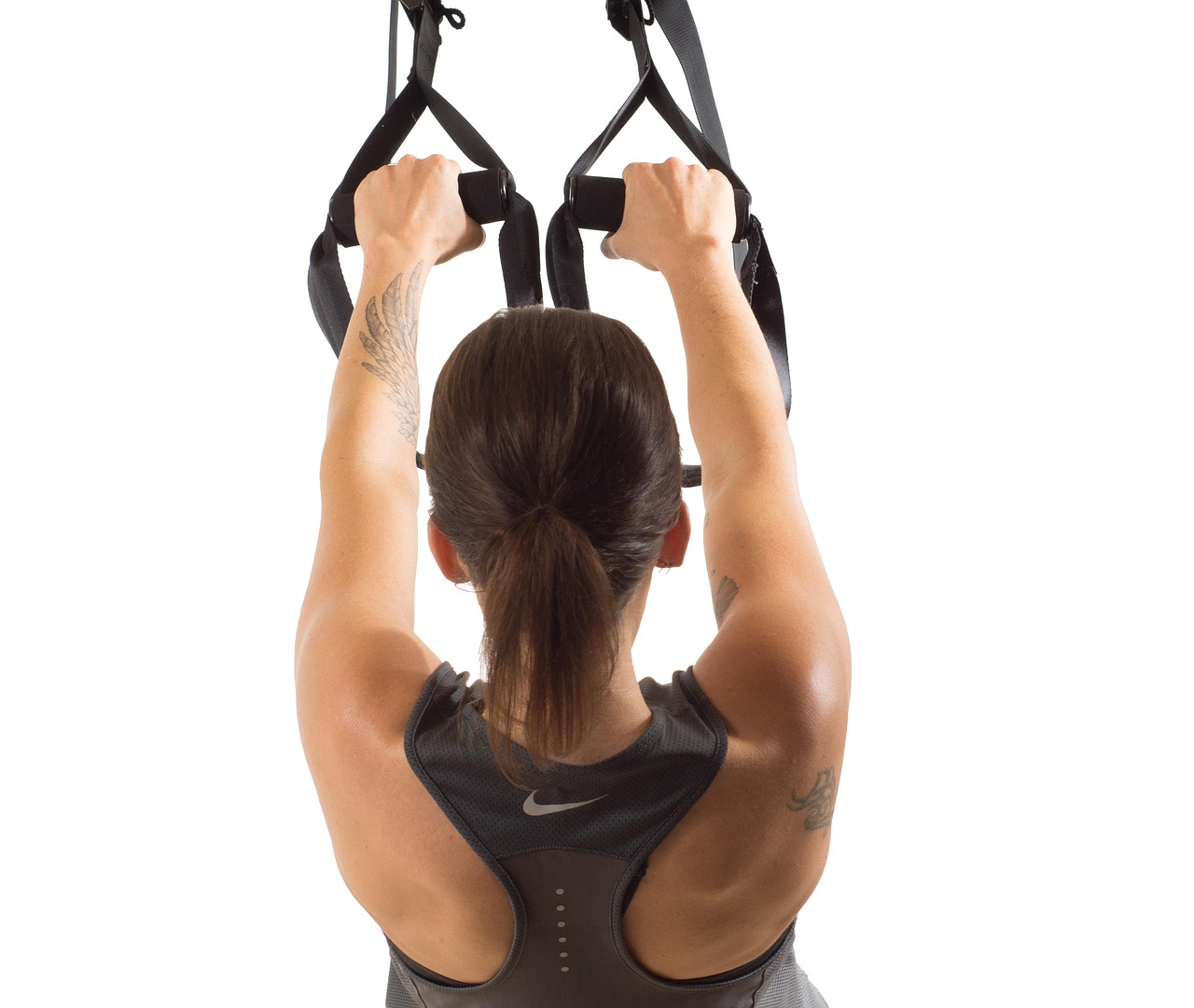
Suspension trainers provide an excellent workout, but many users make common mistakes that hinder their effectiveness. To get the best results, it’s essential to understand how to properly set up and use this equipment. One common mistake involves incorrect anchor points. Ensure that the suspension trainer is securely fastened at an appropriate height. Many individuals overlook the importance of aligning the straps properly, with the suspension trainer often hanging too low or at the wrong angle, limiting the variety of exercises you can perform. Another mistake is skipping the warm-up. Not properly warming up muscles may lead to injury, especially when engaging in dynamic movements. Make sure to incorporate at least ten minutes of light stretching and mobility exercises. Furthermore, many users often hold their breath while exercising, which can reduce performance. Always remember to breathe! Lastly, neglecting to adjust resistance levels can impede progress. Ensure you are challenging yourself adequately, as working with insufficient resistance may prevent you from achieving desirable gains, so find the right level that gives you a challenge without compromising form.
Another common mistake involves improper form during exercises, which can cause injuries. Performing suspension exercises with poor alignment, such as arching the back or drooping the shoulders, does not work the intended muscle groups effectively. Prioritize maintaining a neutral spine and engaged core throughout. While suspension trainers are versatile, using them for every workout routine is impractical. Some individuals ignore the need for variety in their workouts, leading to plateauing results. Integrate bodyweight exercises, cardio, and resistance training for optimal fitness. Moreover, many people forget about their grip. Weak grip strength can lead to a lack of control during exercises. Work on grips by including exercises targeting forearm strength. A few users also often forget to listen to their bodies; pushing through fatigue can lead to overtraining injuries. Implement rest days and recovery strategies to allow muscles to recover. Additionally, setting unrealistic goals can discourage progress. Start with achievable targets to maintain motivation. Keeping track of your workouts can help assess progress and stay accountable. Utilize a workout log or fitness applications to monitor your results over time effectively.
Understanding Suspension Trainer Adjustability
Another frequent error stems from misconceptions about how adjustable suspension trainers work. Users tend to avoid adjusting the straps according to an exercise’s intensity, leading to ineffective workouts. Each workout should reflect your fitness level, and the straps must be managed accordingly. Poor adjustments can lead to either too much strain or inadequate challenge, resulting in suboptimal gains. Along with adjusting the straps, learn which exercises are best suited for your fitness level so that you can avoid frustration. It is essential to start with basic exercises before progressing to more challenging ones, easing into the workout to reduce potential injuries. Also, users may not recognize the importance of stabilizing muscles accompanying suspension training. Engage core muscles primarily, as they help maintain steadiness and balance. A lack of core engagement may weaken the workout. Furthermore, some tend to overlook cooling down after a session. Just as warming up is vital, devoting time to cool down helps decrease soreness and muscle stiffness, promoting overall recovery. Incorporate stretching and light mobility work post-workout to ensure enhanced recovery and flexibility.
Another significant mistake to consider is neglecting proper footwear. Some people exercise in inappropriate shoes or even barefoot on unstable surfaces, which increases the risk of injury. It’s crucial to wear appropriate training shoes that provide essential support and traction while using suspension trainers. Moreover, working out in a distracting environment can hinder focus and concentration needed for maintaining proper form. Strive for a serene space free from distractions, allowing greater focus on form and execution. Alongside distractions, some users forget about hydration, which is vital, especially during intense training sessions. Dehydration can impair performance significantly, so ensure you are well-hydrated before, during, and after your workouts. Remember to bring a water bottle to your training area and sip as needed. Also, managing workout frequency is essential; excessively training without adequate recovery can lead to burnout. Establish a balanced workout schedule to prevent fatigue and maintain motivation. Lastly, consider incorporating guidance through personal training or fitness classes to learn proper techniques tailored to your fitness level. This additional support can help identify and correct bad habits while promoting effective use of suspension trainers.
Keeping a Flexible Mindset
Maintaining a flexible mindset is fundamental when using suspension trainers. Many users approach workouts with a rigid outlook focused solely on specific exercises, limiting benefits. Explore various exercises and adapt them to your body’s needs, making adjustments wherever necessary. This adaptability helps identify which movements yield the best results while keeping workouts engaging and enjoyable. Additionally, don’t hesitate to reach out for feedback or support from knowledgeable trainers or fitness enthusiasts. Balancing intensive workouts with low-impact recovery days is necessary to foster overall well-being. Do not be afraid to prioritize lighter sessions that incorporate flexibility and mobility work, allowing the body to recover effectively. Such days play an essential role in injury prevention and sustainability. Some users often solely focus on strength and neglect cardiovascular health. Mixing cardio workouts with suspension training can lead to better long-term results. A balanced workout regime should encompass strength, cardio, and flexibility exercises, contributing to overall fitness. Finally, track your progress not only by noting workout logs but also by reflecting on how you feel throughout your journey. Engaging in open dialogues with peers surrounding your progress will provide motivation and promote continuous growth.
Injury awareness is another vital aspect when utilizing suspension trainers. Paying attention to body signals can prevent unnecessary injuries and setbacks. Many users may push through discomfort or pain instead of understanding their limits and providing adequate rest. Respecting these boundaries is crucial for long-term progress. Furthermore, neglecting to update your skills is another mistake made by many trainers. As you advance, regularly update your workout techniques, experimenting with unique exercises to maintain interest and effectiveness. Continuously educating yourself through online resources or workshops enhances your training approach. Supplementing your knowledge with practiced methodologies will improve overall performance and play a role in injury prevention. Joining online communities can help foster engagement and support while sharing experiences and tips with others. Seeking assistance from fitness trainers or participating in group sessions can keep up motivation levels high. Additionally, embrace setbacks as part of your fitness journey. Understand that progress may occasionally stall, and that’s perfectly normal. Celebrate small victories while remaining persistent in overcoming obstacles in your pursuit for improvement, and strive for consistency in maintaining your workout routine.
Conclusion
In conclusion, avoiding common mistakes when using suspension trainers can drastically affect workout effectiveness. Adopting an informed approach encompasses correctly adjusting the equipment, focusing on proper form, and integrating varied exercises. Remembering the significance of warm-ups and cool-downs combines with effective hydration and rest to create a comprehensive workout routine. Engaging in effective communication with fellow fitness enthusiasts and professionals supports consistent improvement. Challenge yourself with achievable goals while remaining adaptable encourages a successful fitness journey. Find enjoyment in suspension training and explore the vast array of exercises available for ensuring progressive strength and balance. Understanding these vital elements can eliminate injuries, fostering a more enjoyable and beneficial workout experience, whether you are new to fitness or an experienced trainer. By continuing to educate yourself and applying these concepts, you can successfully enhance your training experience and reach your fitness goals. Your suspension training experience can ultimately translate into better athletic performance, increased strength, and improved overall health when practiced correctly. Remember to approach your training with balance, mindfulness, and patience to cultivate a sustainable, healthy lifestyle.
Common Mistakes to Avoid When Using Suspension Trainers
Suspension trainers provide an excellent workout, but many users make common mistakes that hinder their effectiveness. To get the best results, it’s essential to understand how to properly set up and use this equipment. One common mistake involves incorrect anchor points. Ensure that the suspension trainer is securely fastened at an appropriate height. Many individuals overlook the importance of aligning the straps properly, with the suspension trainer often hanging too low or at the wrong angle, limiting the variety of exercises you can perform. Another mistake is skipping the warm-up. Not properly warming up muscles may lead to injury, especially when engaging in dynamic movements. Make sure to incorporate at least ten minutes of light stretching and mobility exercises. Furthermore, many users often hold their breath while exercising, which can reduce performance. Always remember to breathe! Lastly, neglecting to adjust resistance levels can impede progress. Ensure you are challenging yourself adequately, as working with insufficient resistance may prevent you from achieving desirable gains, so find the right level that gives you a challenge without compromising form.