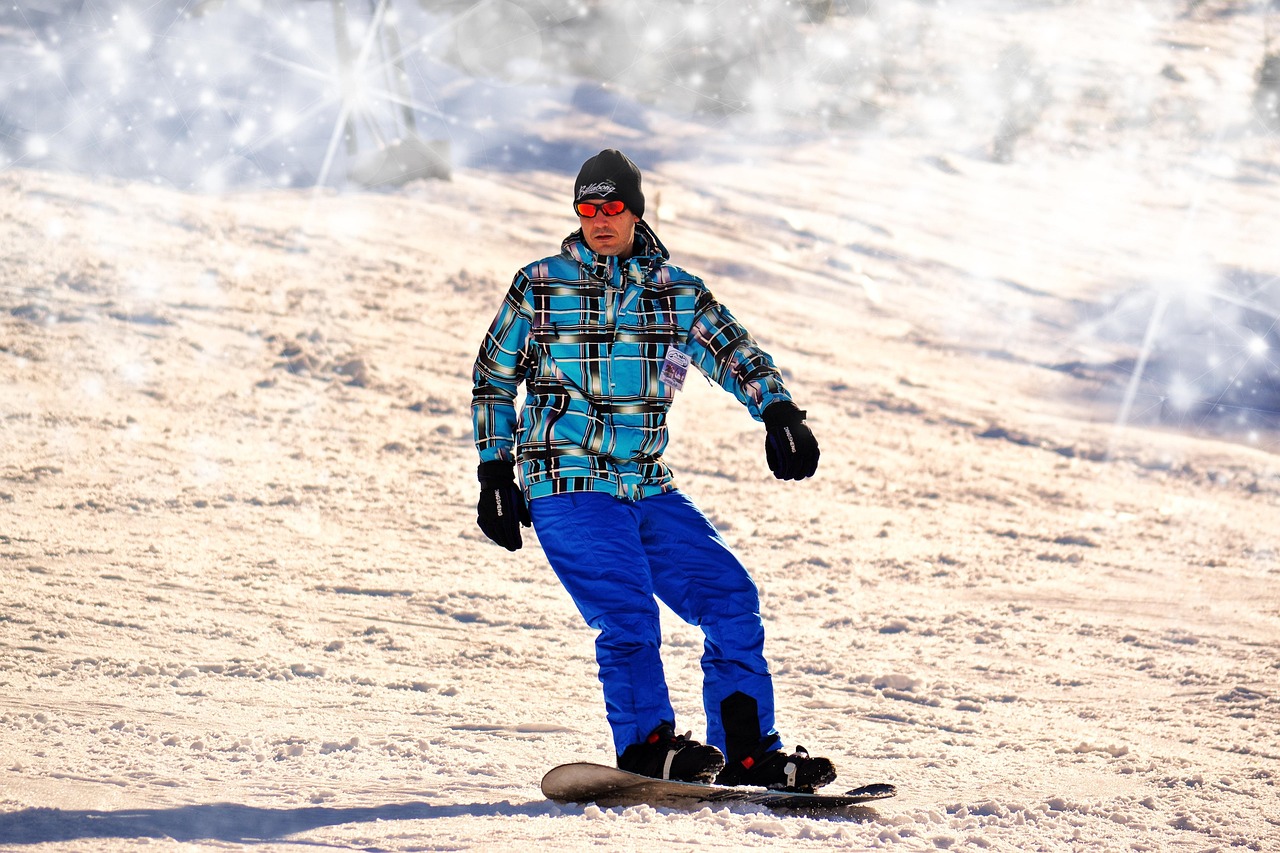

Exploring Freestyle Snowboarding: Tricks and Training
Freestyle snowboarding is an exhilarating sport that blends creativity with technical skill. Athletes perform tricks on various obstacles such as rails, jumps, and half-pipes. As the popularity of freestyle snowboarding has grown, so have the opportunities for athletes to showcase their talents in competitions around the world. However, to excel in this discipline, a solid foundation of techniques is essential. Key elements of freestyle include finding the right board, mastering the basics, and understanding the importance of balance and coordination. Riders should focus on practicing their landings and take-offs to ensure fluid movement between tricks. Consistent practice is key to developing confidence and style. Many riders find it beneficial to document their training sessions. This allows them to review their performances, note improvements, and identify areas that need work. Freestyle snowboarding is not just about individual performance; it also fosters a unique community where enthusiasts share tips and techniques. Joining local snowboarding groups or participating in workshops can greatly enhance an athlete’s learning curve. In addition, safety gear is crucial, so invest in proper helmets, wrist guards, and pads to protect against injuries.
Key Tricks to Master in Freestyle Snowboarding
Snowboarding is not just about gliding down slopes—it’s about mastering tricks that push your limits. To start with, riders should focus on the basic tricks that serve as the foundation for more advanced maneuvers. The first trick to learn is the ollie, which allows you to lift your board off the ground. Mastering the ollie will give you the ability to jump obstacles and execute board grabs. After the ollie, progressing to the 180 involves a smooth rotation of the body while in the air. This trick can be performed frontside or backside, creating various styles. Next in line are the more complex spins, like the 360, which further challenges your balance and timing. The rail slides provide a gateway into park features, enhancing your ability to balance on narrow surfaces. As riders grow in skill, tricks can be combined—like the jump and grab, leading to visually stunning displays. A solid practice routine will help refine your skills, allowing you to move confidently into the realm of higher-level tricks, which mesmerize audiences at competitions and showcases. It is essential to be patient; each progression takes time to perfect.
The importance of physical training cannot be overstated when it comes to freestyle snowboarding. Strength, flexibility, and endurance are crucial attributes that enable snowboarders to perform at their best. Many athletes incorporate a varied workout regimen that includes strength training, cardiovascular conditioning, and flexibility exercises. Focusing on core strength can enhance balance, which is vital for executing tricks. Simple exercises like planks and squats target the core and lower body effectively. Moreover, flexibility is essential for maintaining a wide range of motion when executing tricks, as it can prevent injuries. Stretching routines should be performed regularly, especially before and after snowboarding sessions. Cardiovascular conditioning like running or cycling helps build endurance, allowing riders to maintain their energy throughout long days on the slopes. Additionally, footwear plays a significant role in performance—a good pair of snowboarding boots provides the necessary support for effective control. Establishing a pre-training routine helps prepare the body for action, while post-session stretching aids recovery. Nutrition is another factor; fuel your body with the right foods to maintain energy levels and support recovery. Staying hydrated is equally important, ensuring optimum performance during training.
Safety First: Gear and Precautions
Safety comes first in freestyle snowboarding; understanding the right gear is crucial. Every snowboarder should invest in quality safety equipment such as helmets, wrist guards, and knee pads to minimize injuries. A properly fitted helmet is essential; it protects the head from impacts during falls. Wrist guards prevent common injuries linked to falls, and knee pads protect against bruises when learning new tricks. Snowboard bindings must also be tailored to fit snugly, as they enhance control during performing tricks. Quality snowboards tailored for freestyle riding can enhance performance. Boards designed for park use are often lighter and stiffer, allowing for better pop and maneuverability. Riders should ensure that their boots fit comfortably, as they play an important role in overall performance and control. Before hitting the slopes, always check weather forecasts and snow conditions to gauge safety. It’s also wise to practice skills in less populated areas before attempting ambitious tricks in crowded parks. Finally, consider taking a lesson from a professional instructor, as they can provide invaluable guidance. Brushing up on essential safety tips will provide peace of mind and enhance the overall experience.
Another essential aspect of freestyle snowboarding is understanding snowboarding etiquette within parks. Snowboarders must respect each other’s space while practicing tricks. When entering a feature like a jump or rail, always look for other riders and wait your turn; this helps prevent collisions. If you land a trick, make sure to clear the landing area quickly to avoid hindering the flow of others behind you. Use designated paths when traversing the park to keep the area organized; this is critical for both safety and smooth operation of the features. Paying attention to park signs and guidelines also keeps everyone informed and safe. Furthermore, etiquette extends beyond the park; it includes supporting fellow snowboarders, cheering for friends during their attempts, and sharing useful tips. Filming each other can also raise the community spirit, allowing friends to celebrate successes and learn from mistakes. Additionally, it’s important to acknowledge the hard work of park builders, as their efforts create the features that we enjoy. Being part of a community and nurturing good relationships will enhance your experience, promoting a fun and positive atmosphere on the slopes.
Progressing to Advanced Freestyle Techniques
Once you’ve mastered the basics of freestyle snowboarding, it’s time to explore more advanced techniques. Progression is key, and as skills improve, confidence grows. Start introducing rotations with grabs, combining tricks to create unique styles. Attempting a 540 spin can be challenging; the key lies in timing and body control. Try to visualize the trick before executing it—this mental preparation can significantly boost your confidence. Additionally, take time to understand the mechanics of each trick; knowledge is power in freestyle snowboarding. Landing cleanly requires a strong core and understanding your body movement. Recording your runs can also help analyze your technique, providing insights into what needs refinement. Getting feedback from fellow riders can be invaluable, as fresh perspectives often highlight areas for improvement. Connecting with mentors in the snowboarding community allows for the sharing of tips and experiences, facilitating quicker growth. Participating in competitions or showcases offers not only a goal to strive for but also a venue to display your skills. Remember, progression takes time; maintain patience as you navigate from intermediate to advanced techniques.
In conclusion, freestyle snowboarding is an exciting and dynamic sport that requires a combination of skills, creativity, and dedication. There’s a lot involved in mastering tricks, training safety, and ensuring etiquette on the mountain. Every rider’s journey is unique; it’s important to set personal goals and continuously work towards achieving them. Engage in a variety of practice sessions, focusing on different tricks to develop a well-rounded skillset. Embrace challenges, and do not be discouraged by setbacks; these moments provide learning opportunities. Enrich your experience by joining snowboarding communities, attending workshops, or volunteering in local parks. Sharing knowledge and support with fellow riders leads to collective growth and a more enjoyable atmosphere. Remember to prioritize safety gear and maintain awareness on the slopes, allowing for a worry-free experience. As you progress, take time to appreciate the beauty of the mountains and the joy that snowboarding brings. This sport fosters not just individual improvement; it builds friendships and lasting connections. With dedication and enthusiasm, freestyle snowboarding can become a lifelong passion that continually challenges and inspires.
[Insert image related to freestyle snowboarding here]