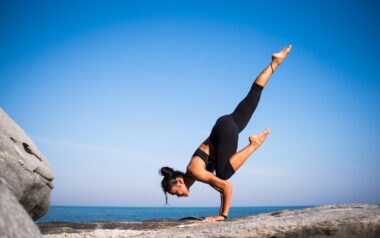

Functional Training for Athletes: Enhancing Flexibility for Peak Performance
Functional training focuses on building strength, endurance, and flexibility through exercises that mimic everyday activities. For athletes, it is crucial to engage in a training regimen that enhances performance on the field or court. Flexibility is particularly important for reducing the risk of injury and allowing for a greater range of motion during athletic activities. By incorporating functional movements, athletes can train their bodies to perform more efficiently and effectively. Key elements of a successful functional training program often include exercises targeting core stability, agility, and dynamic movements that replicate sport-specific challenges. Athletes can benefit from using resistance bands, medicine balls, and stability balls to challenge their bodies and improve flexibility. Consistency and proper technique are essential to reap the full benefits of these exercises. Moreover, a well-structured warm-up routine that includes flexibility training can help athletes prepare both physically and mentally for their sport. Emphasizing flexibility in training can significantly influence an athlete’s overall performance and longevity in their respective sport.
The Importance of Flexibility in Sports
Flexibility plays a pivotal role in athletic performance, aiding in injury prevention and optimizing physical capabilities. Athletes require a specific range of motion to effectively execute skills essential to their sport. Increased flexibility allows athletes to perform movements more fluidly, resulting in improved endurance and strength. Furthermore, flexible muscles and tendons are less prone to injuries that can derail an athlete’s career. Functional training exercises can enhance an athlete’s ability to stretch their muscles without the risk of strain. By integrating various stretching techniques, such as dynamic and static stretches, athletes can fine-tune their flexibility. Dynamic stretches, performed prior to exercise, promote blood flow and elevate muscle temperature. In contrast, static stretches, held for extended periods, are beneficial post-exercise for reducing muscle tightness. It’s essential for athletes to balance both types of stretching in their routines to maintain optimal flexibility. Athletes should also consider incorporating foam rolling and myofascial release techniques. These techniques can further enhance flexibility and relieve muscle tension, contributing to superior performance outcomes.
When evaluating flexibility, athletes must understand the difference between active and passive flexibility. Active flexibility refers to the ability to stretch muscles through contraction, employing strength, while passive flexibility involves external forces facilitating a stretch. Both flexibility types are crucial for athletes, as they cater to various needs within different sports. For instance, sprinters require high levels of active flexibility to maintain proper running form and efficiency. Conversely, gymnasts might prioritize passive flexibility to execute complex routines effectively. Implementing targeted training sessions for both active and passive flexibility can significantly enhance overall adaptability. Since flexibility impacts posture and alignment, an athlete’s body positioning thus influences balance and stability during performances. Athletes should consider working with trainers or physiotherapists to develop personalized training programs addressing both flexibility types. Incorporating yoga or Pilates into a routine can also foster increased body awareness and promote overall flexibility. By prioritizing flexibility with a tailored program, athletes can investigate ways to enhance their performance and minimize injury risks.
Techniques for Improving Flexibility
To effectively enhance flexibility in a functional training program, athletes can employ several specific techniques. First, dynamic stretching can be included as part of a warm-up regimen. Movements like leg swings and arm circles can help prepare the muscles for physical activity. Additionally, implementing Yoga poses may improve flexibility by helping to lengthen muscles and improve joint mobility. It is important to structure a program that incorporates both upper and lower body flexibility exercises. Examples include lunges with a twist, pigeon pose, and shoulder stretches. These movements promote various muscle groups’ flexibility, ensuring well-rounded training. Athletes should aim for consistency, dedicating time to flexibility training at least two to three times a week. Utilizing resistance bands can also assist in improving range of motion through controlled resistance during stretches. Foam rollers can relieve muscle tightness before and after workouts. Ensuring a blend of these techniques in a comprehensive flexibility training regime will lead to enhanced athletic outcomes. It is vital for athletes to listen to their bodies and progress gradually to avoid injury.
Nutrition also plays a significant role in an athlete’s flexibility and overall performance. Consuming nutritious foods, rich in antioxidants, vitamins, and minerals can positively impact muscle recovery. Foods that reduce inflammation can help maintain flexibility, such as fatty fish, nuts, seeds, and leafy greens. Hydration is another key element, as it helps maintain muscles’ elasticity and function. Proper hydration supports blood flow and nutrient delivery to muscles, further aiding in recovery from strenuous training sessions. Athletes should be mindful of their hydration levels during and after workouts, as dehydration can lead to increased muscle tightness. Supplements such as omega-3 fatty acids and magnesium may also support muscle function and flexibility. By pairing a well-rounded diet with targeted training, athletes can see significant improvements in both flexibility and performance. Understanding the connection between nutrition and flexibility empowers athletes to take charge of their overall well-being. Education regarding nutrition should be an integral part of any athlete’s functional training program to foster longevity and sustainability in their sports careers.
Incorporating Flexibility into Training Routines
Incorporating flexibility training into athletic routines demands careful planning. Athletes should incorporate flexibility-focused activities into both their warm-ups and cool-downs. A balanced routine should include stretching, mobility exercises, and strength training for a comprehensive approach. Planning sessions that specifically allocate time for flexibility will foster improvement over time. Athletes can structure their workouts to ensure flexibility training does not compromise strength or endurance gains. For example, following a strength training session, athletes can include 10-15 minutes dedicated to targeted stretching to maintain flexibility. It’s vital to promote consistent flexibility training, as sporadic efforts may not yield the desired results. Athletes can also utilize group training to stay motivated, incorporating partners into their flexibility sessions for increased accountability. Variations within routines may help maintain engagement and foster consistent growth. As flexibility training becomes integral to the overall training program, athletes should track their progress and reassess goals regularly. This reflection fosters personal accountability and encourages ongoing commitment to enhancing flexibility as part of peak performance.
To summarize, functional training that emphasizes flexibility is crucial for athletes seeking peak performance. The combination of targeted stretching techniques, proper nutrition, and effective integration into training routines leads to improved mobility, injury prevention, and performance enhancement. Implementing diverse flexibility methodologies within a structured framework of exercise is essential for long-term success. Athletes who commit to consistent flexibility training often report improved physical abilities, greater confidence, and better execution in their respective sports. It is imperative to remember that flexibility is an ongoing pursuit, not a one-time effort. As athletic demands evolve, flexibility requirements must also be reassessed and updated. The willingness to adapt and integrate new techniques ensures that athletes continue to thrive and perform at their best. Partnering with professionals, shared training efforts, and embracing innovative strategies will ultimately support individual growth and success. Overall, functional training and flexibility are inseparable components of an athlete’s journey, setting the stage for their peak performance and longevity in sports. Embracing this comprehensive approach heralds new opportunities and exciting achievements.