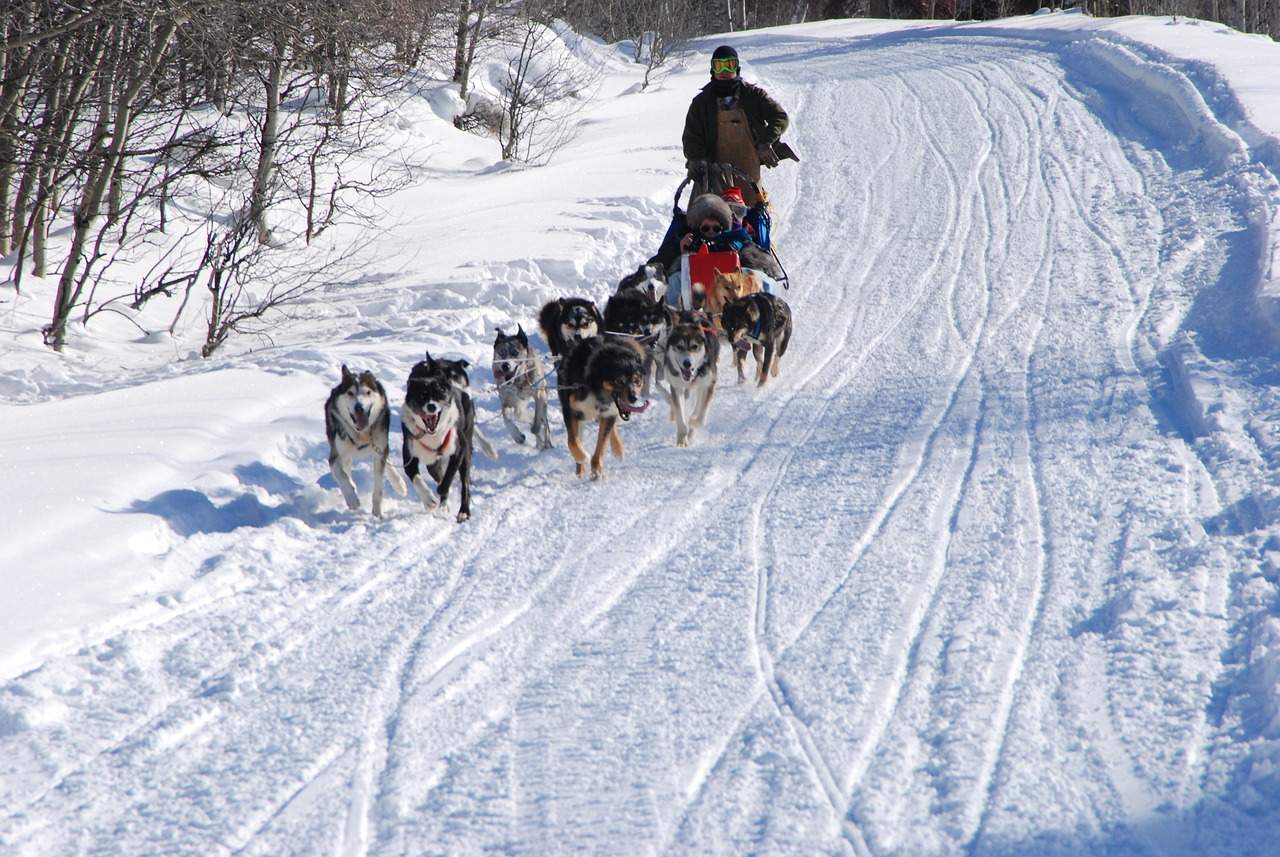

Understanding Dog Sledding Trails
Dog sledding is an exhilarating outdoor adventure that requires keen attention to the trails chosen for safety and enjoyment. Before embarking with your canine team, it’s vital to understand the specific characteristics of dog sledding trails. These trails can vary in surface, elevation, and weather conditions, which can impact the performance of the dogs and the safety of the journey. For instance, trails can be icy and slick or soft, depending on the snow conditions. It’s essential to assess the skill level of both the mushers and the dogs. Beginners may opt for trails that are wider and less technical, while experienced mushers may prefer more challenging routes. Familiarize yourself with basic trail signs indicating whether a path is safe for use. Always carry a trail map and consider using a GPS device. Safety is paramount, so prepare for emergencies by checking conditions and being ready for sudden weather changes. Local regulations may also dictate where sledding is permitted. Respect the environment by staying on established trails and avoiding private land without permission.
Choosing the Right Location
When choosing a location for dog sledding, it’s essential to locate areas known for well-maintained trails. Research online for forums and websites that discuss dog sledding locations; user reviews can provide critical insight. Popular dog sledding areas often host events and are maintained by local organizations, ensuring they’re well cared for. Some fantastic regions feature dedicated trails designed for sledding, offering varying complexities, distances, and lengths. Look for places with natural scenery, either through flat areas or tree-lined paths, which provides an exhilarating backdrop to your adventure. Local tourism offices can also provide maps that highlight the best trails, along with any information about the trail conditions, accessibility, and length. Some regions even offer guided tours. This can be an excellent option for those new to dog sledding. Experienced mushers can often find their own routes, but novices should stick to well-marked trails in popular sledding locations. Always make it a priority to check if the trails are open to avoid disappointment on your adventure.
Checking Trail Conditions
Before venturing out, checking trail conditions is a vital part of the planning process for a successful day on the sled. Local weather conditions can change rapidly, impacting the snow quality, visibility, and temperature. Reach out to local organizations that maintain the trails for current conditions. Websites usually provide updated information, including snow depths, ice conditions, and whether any trails are closed. Trailing conditions can differ greatly from one area to another, and this variance can significantly affect navigation and safety. Local ski clubs or racing organizations might also have insights into prime trails. One must also consider the time of year, as spring thaw can create unsafe conditions. While sledding in the mountain regions, be wary of ice in shaded areas which can lead to injuries. It’s recommended to avoid sledding during warm spells when the snow becomes slushy. Always listen to forecasts and advisories that can influence your trip, especially if you are venturing into remote areas where help might be far away.
Safety Equipment and Gear
Ensuring you are equipped with the necessary safety gear is one of the most critical aspects of planning your dog sledding adventure. Start with the right clothing: dress in layers to adapt to varying temperatures, utilizing moisture-wicking materials and waterproof outer layers. Good quality boots that provide warmth and traction are essential for navigating through snow and ice. Additionally, a helmet is recommended for protection against falls. Carry an emergency kit, including first aid supplies, spare harnesses, and leashes. Adequate food and water for your dogs are crucial to keep their energy levels high during the trip. Investing in quality sled equipment is fundamental; a well-constructed sled can make a significant difference, especially on rough terrains. Your sled should also have operational brakes and steering controls to ensure safety during the journey. It’s also wise to have a two-way radio or a cell phone for emergencies. By taking the time to prepare suitable gear and equipment, you can enjoy your dog sledding experience while prioritizing safety for both the musher and the dogs.
Trail Etiquette
When participating in dog sledding, it is important to follow proper trail etiquette. Respecting fellow mushers, skiers, and other trail users creates a friendly outdoor environment that benefits everyone. Keep a safe distance from other sled teams to avoid accidents; a general rule is to maintain at least ten meters apart. When encountering another team, it’s courteous to communicate clearly and calmly as you pass each other. Trail sharing should be done with a smile and a wave to foster community spirit in outdoor sports. Avoid creating ruts or damaging the trail by steering clear of soft areas or freshly packed snow. Always clean up after your dogs, carrying along supplies to dispose of feces properly. Being mindful of the environment, staying on established paths, and avoiding disturbing wildlife are also essential aspects of trail etiquette. Additionally, be aware of the sound levels; excessive noise can stress dogs and disrupt the natural surroundings. Always put safety first and adhere to any local regulations, as they are put in place to protect both users and the environment.
Guided Tours vs. Solo Adventures
The choice between guided tours and solo sledding adventures is an important consideration for dog sledding. For novices, guided tours are often recommended as they offer valuable support and management experience. These tours allow inexperienced mushers to learn from professionals who can provide essential tips and tricks for effective handling of the sled and dogs. Additionally, guided tours frequently have access to the safest and best-maintained trails, enhancing the overall experience. Conversely, experienced mushers might favor solo adventures, as they provide opportunities to explore less traveled paths and be closer to nature. Solo expeditions can be incredibly rewarding, as they offer the freedom to set your pace, choose your routes, and connect more directly with the dogs. However, with adventure comes responsibility; considerable preparation in mapping, condition checks, and ensuring safety gear is crucial. No matter the option you choose, careful decision-making is key to enjoying dog sledding without compromising safety or enjoyment. For both guided and solo experiences, understanding the natural environment around you remains critical.
Conclusion
In conclusion, reading and choosing dog sledding trails safely involves knowledge, preparation, and mindfulness leading to an unforgettable outdoor adventure. Being informed about the environment, the suitability of chosen trails, and equipment will enhance the experience. By understanding the importance of trail conditions, safety gear, etiquette, and whether to go solo or guided, mushers can ensure a successful and enjoyable day on the trails. Begin with diligent research to find the right location with lush scenery and well-maintained paths. Prepare adequately by checking trail conditions before venturing out, as well as gathering necessary gear to ensure safety for both the musher and dogs alike. Similarly, displaying proper etiquette on trails ensures a more pleasant atmosphere for all. Whether new to dog sledding or a seasoned musher, respect for the environment and fellow trail users should always be a priority. Embrace the spirit of adventure while being responsible, and you will likely find yourself planning many more exciting excursions in the wonderful world of dog sledding.