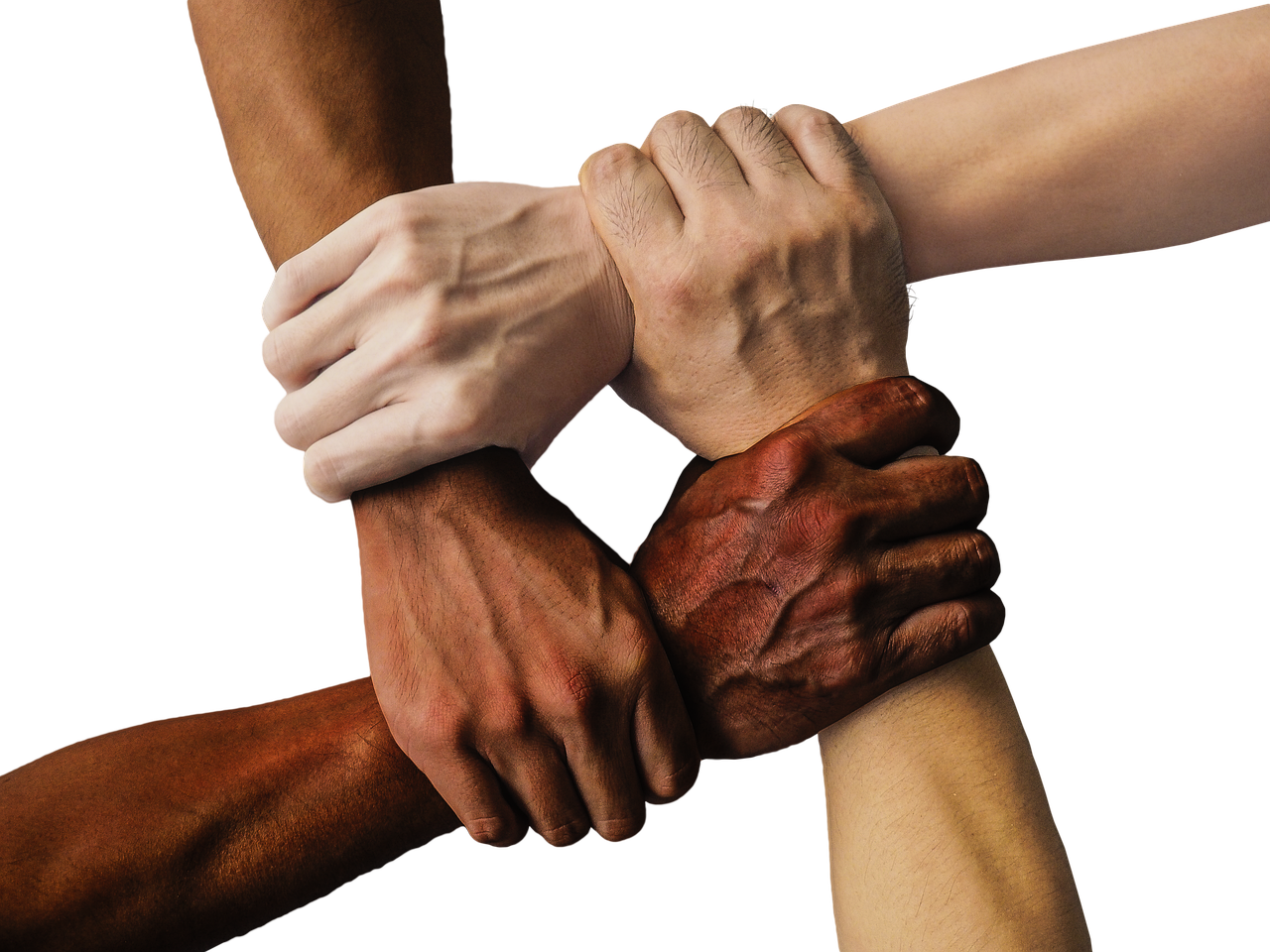

Peer Relationships and Their Impact on Athletic Identity
Peer relationships play a crucial role in shaping an athlete’s identity and overall psychological wellness within competitive sports. These dynamics create an environment where athletes can share experiences, challenges, and successes, fostering a sense of belonging. The support received from peers can influence motivation and coping mechanisms during critical performance moments. Research indicates that athletes with positive peer relationships often exhibit higher levels of self-confidence and commitment to their sport. This camaraderie among teammates not only enhances performance but also helps in developing resilience against setbacks. Effective peer support systems facilitate open communication, allowing athletes to express concerns without fear of judgment. As young athletes navigate the ups and downs of competition, such relationships become vital lifelines. Coaches are encouraged to promote a collaborative atmosphere, where athletes can thrive socially and emotionally. Additionally, nurturing these relationships can lead to lifelong bonds extending beyond sports. Peer interactions often define how athletes perceive their roles within teams and can significantly impact their identity as athletes. Overall, the synergy between peer support and athletic identity contributes to both personal growth and elevated performance outcomes.
Moreover, the study of peer support in sports psychology reveals its profound effect on performance outcomes. When athletes feel supported by their peers, they are more likely to push their limits during training and competitions. This support encourages athletes to take calculated risks, knowing they have a reliable network to fall back on. Various theories in sports psychology, like social identity theory, underline the importance of group belonging for enhancing performance. In competitive environments, this connection fosters teamwork, collaboration, and unity. Athletes who identify strongly with their peers often experience enhanced commitment and dedication to their sport. This unity not only improves individual performance but also contributes to the team’s collective success. Coaches can play a pivotal role by facilitating team-building activities aimed at strengthening these connections. Recognizing the importance of peer dynamics can further inform training methodologies. Promotion of healthy competition among peers can also stimulate performance improvements without compromising team morale. With an emphasis on interpersonal relationships, athletes are encouraged to build trust and open communication lines, enhancing overall satisfaction in sports participation. Positive peer interactions help mitigate stress, ultimately boosting overall athletic performance.
The Role of Shared Experiences
Shared experiences among athletes can significantly strengthen their identity and emotional resilience. These shared moments, whether during intense training sessions or overcoming tough losses, form bonds that can enhance group cohesiveness. Such camaraderie contributes to a collective athletic identity that is essential for team dynamics. Sharing successes and failures fosters empathy, allowing team members to understand each other better, thus validating each other’s experiences. In sports psychology, these shared experiences are crucial as they cultivate a supportive culture that enables athletes to thrive. Engaging in activities outside of competitive environments can further reinforce these bonds, creating memories that enhance trust. As athletes navigate challenges together, they learn valuable lessons in teamwork and the importance of support. Such connections not only boost collective morale but also improve individual well-being. Effective peer interactions can lead to shared goals and a unified mission, critical for achieving performance targets. Moreover, when athletes support each other, they develop a stronger sense of identity. Building emotional connections through shared experiences cultivates a holistic team atmosphere, enhancing both individual and collective athletic identities in the process.
Peer communication is another vital component influencing athletic identity. Effective communication between teammates enhances understanding and trust among athletes, reinforcing a positive environment for growth. When athletes communicate openly, they can provide constructive feedback and motivation that propels each member forward. This reciprocal relationship fosters a sense of accountability, where athletes feel responsible for each other’s success. Active listening and engagement enable athletes to resolve conflicts amicably, promoting interdependence within the team. In this way, peer communication not only enhances performance but also solidifies an athlete’s identity within the group. Athletes who feel heard and valued are likely to develop a stronger connection to their team and sport. This depth of connection translates into better performance and lower dropout rates in sports. Coaches can encourage open dialogue by implementing team meetings aimed at fostering communication. This technique increases team cohesion as athletes learn to express emotions constructively. Ultimately, by enhancing peer communication strategies, athletes cultivate emotional intelligence crucial for navigating their athletic paths. A culture of communication breeds a supportive environment, which is essential for promoting both individual and group identity in competitive sports.
Challenges in Peer Relationships
Despite the positive aspects of peer support, challenges can arise that impact athletic identity negatively. Issues such as jealousy, competition, or conflicts can create rifts among teammates, undermining the desired atmosphere of support. When these negative dynamics prevail, they can lead to decreased motivation and increased performance anxiety. Additionally, the fear of judgment or ostracism can discourage open communication among athletes, mitigating the benefits of peer relationships. Sports environments often amplify these challenges, as high benchmarks heighten emotional stakes. Navigating bullying or exclusion can be detrimental to young athletes, often leading to identity crises. It is crucial for coaches and sports organizations to actively address these challenges by promoting inclusivity and respect among teammates. Effective conflict resolution strategies should be implemented to tackle emerging issues swiftly. Creating a culture of acceptance and understanding can significantly mitigate risks associated with negative peer interactions. Moreover, fostering awareness of emotional well-being can empower athletes to seek help when needed. Building an environment where peer relationships thrive requires an ongoing effort to manage challenges, ensuring athletes maintain a positive identity and emotional health.
Furthermore, understanding the impact of peer support on mental health is essential for developing athletes holistically. Positive peer interactions can act as buffers against the mental stressors associated with competitive sports. Research shows that athletes with strong social networks report lower instances of anxiety and depression. The emotional support derived from peers promotes resilience, helping athletes cope more effectively with setbacks. This connection may also foster positive self-talk and affirmations, essential for maintaining self-esteem. Coaches should encourage athletes to cultivate supportive relationships both on and off the field, recognizing the benefits of these interactions for overall mental health. Mental well-being is closely tied to athletic identity, as athletes often view themselves through the lens of their sport. A robust support system can help mitigate the dangers of burnout associated with high competition levels. Promoting team-building activities can further enhance the psychological benefits derived from peer relationships. Creating spaces where athletes can develop friendships ensures a holistic approach to sports participation. As such, development focused on peer interactions is vital to nurturing well-rounded, mentally healthy athletes who thrive in competitive environments.
Conclusion: The Importance of Nurturing Peer Bonds
In conclusion, nurturing peer relationships is fundamental for developing a strong athletic identity. The positive impacts of effective peer support can significantly enhance both personal growth and performance levels in athletes. When athletes feel connected to their peers, they are more likely to engage positively with their sport, leading to increased satisfaction and commitment. This connection manifests in various ways, from building confidence to encouraging resilience during challenging times. The interplay between peer relationships and athletic identity showcases the importance of fostering supportive environments in sports. Coaches and sports organizations must prioritize creating atmospheres where athletes feel valued and connected. By cultivating these relationships, they promote not just individual success but also a collective team ethos vital for long-term achievements. Additionally, understanding the challenges that can arise—alongside strategies to mitigate them—remains pivotal. Ultimately, a commitment to nurturing peer bonds can drive lasting change in athletes, empowering them in both their sports and personal lives.
In summary, the impact of peer relationships in sports psychology cannot be overstated. Positive peer interactions serve as a foundation for an athlete’s identity, fostering growth, resilience, and enhanced performance. The psychological touchpoints achieved through these connections can lead to improved outcomes on and off the field, facilitating overall well-being for athletes. As the sports world continues to evolve, prioritizing peer relationships is crucial for developing future generations of athletes who are not only performance-driven but also emotionally grounded. This balanced approach to athlete development ensures that mental health is addressed alongside physical training, creating well-rounded individuals capable of thriving in competitive sports and beyond. Consequently, integrating strategies aimed at strengthening peer support systems should become a standard practice in sports training and psychology. The commitment to developing these crucial relationships will significantly influence how athletes perceive themselves and their place in the sports world. Additionally, ongoing research and practice within this field will contribute to evolving methodologies designed to harness the power of peer support effectively. Ultimately, nurturing positive peer relationships can serve as a cornerstone for fostering long-term success and well-being in sports.