
The Future of Energy Healing in Sports Science
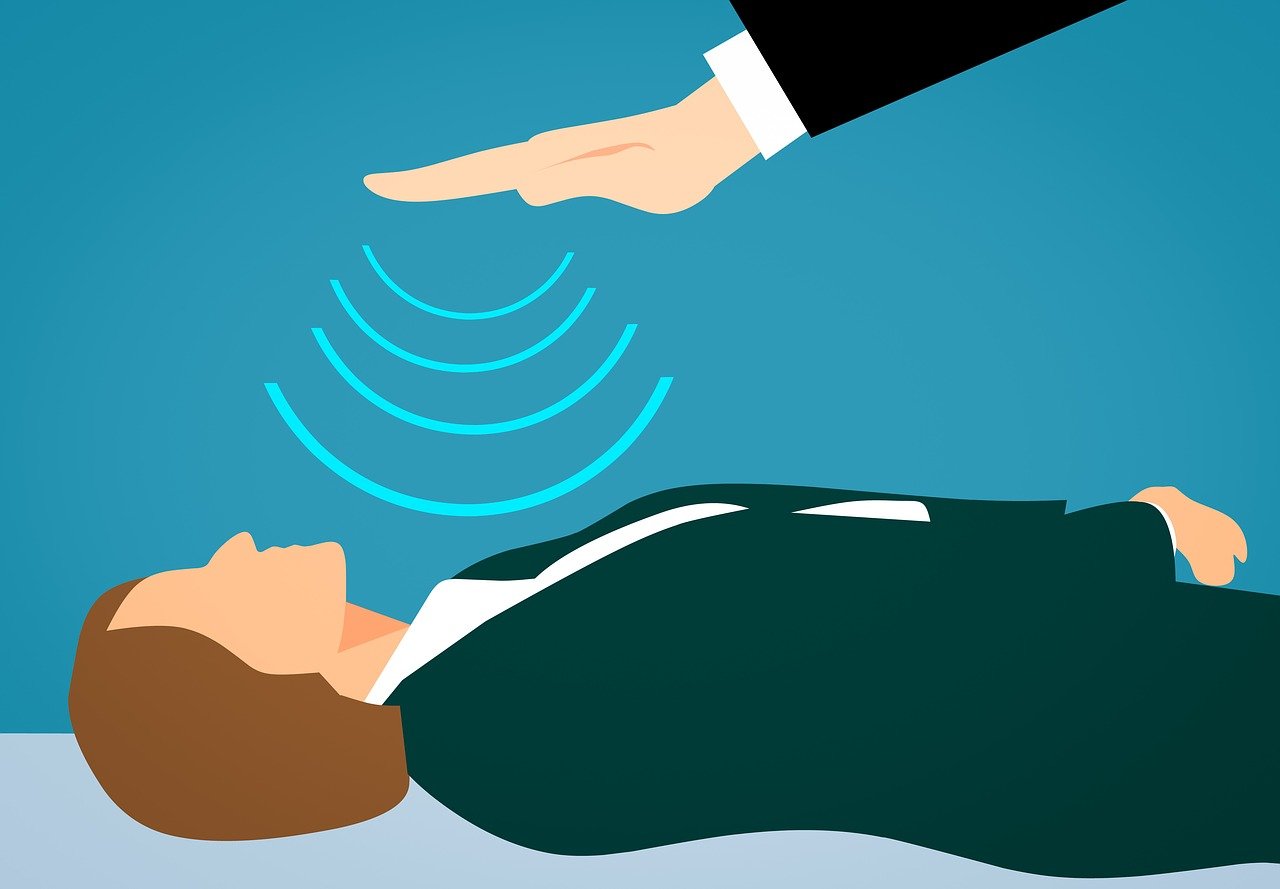
Energy healing has gained traction within the sports science realm, revolutionizing recovery and performance enhancement techniques used by athletes. This practice enhances the mind-body connection, allowing athletes to achieve a higher level of concentration and resilience during competitions. With a focus on balancing the body’s energy systems, techniques such as chakra healing offer an avenue to release emotional blockages and physical tensions that hinder an athlete’s performance. By integrating energy healing practices, sports professionals are realizing that top performance might not solely rely on physical training alone. As more athletes begin to adopt these methods, new training regimens emerge that focus on not just physical conditioning, but also mental clarity and emotional stability. Energy healing emphasizes the importance of understanding one’s inner landscape, paving the way for a holistic approach to sports. Coaches and trainers are beginning to recognize the benefits and are investing time in understanding energy practices to enrich their programs. Working in conjunction with physical therapy or traditional coaching methods, energy healing represents an innovative frontier for sports science that aligns body, mind, and spirit, fostering optimal athletic performance and well-being.
One of the key elements in energy healing in sports science is the understanding and usage of chakras. Chakras are energy centers that directly influence an athlete’s physical and emotional health. For instance, the root chakra is paramount for physical grounding, which is essential in sports that involve balance, such as gymnastics or martial arts. Similarly, the sacral chakra influences creativity and passion, vital for athletes in artistic sports like dance or figure skating. The solar plexus chakra enhances personal power and confidence, empowering athletes to excel. As practitioners work to open, balance, and align these chakras, athletes may experience notable improvements in energy levels, motivation, and overall performance. Techniques such as meditation, visualization, and breathwork become essential tools in the athlete’s repertoire. Understanding their chakras allows athletes to harness their energy effectively, which can lead to remarkable results. With energy healing being more recognized in elite sports, workshops and training programs focusing on chakra work are likely to emerge, aiming to educate both athletes and coaches on its benefits, ultimately integrating these practices into mainstream athletic training methodologies.
Unlocking Potential Through Energy Healing
Energy healing is increasingly viewed as a powerful ally in unlocking an athlete’s full potential. By promoting relaxation and reducing stress through techniques such as Reiki and acupuncture, athletes can experience quicker recovery times and enhanced performance. When the body’s energy is flowing freely, the athlete becomes more attuned to their own body, allowing them to respond better to physical demands during training and competition. This increased awareness can translate into improved agility, coordination, and strength, critical components in high-performance sports. Sports teams around the globe are beginning to incorporate energy healing protocols into their treatment and coaching strategies, further bridging the gap between traditional athletics and holistic practices. Such integration highlights a paradigm shift in approaches to sports training, emphasizing mental health and emotional balance, which are key to sustaining competitive edge. Athletes are often exposed to high levels of stress, which can lead to burnout; energy healing serves as a preventative measure. Through the adoption of these healing practices, athletes can maintain a sustained focus, resilience, and adaptability essential for the pressures of professional sports.
A pivotal area of focus is the alignment of mental and physical training substrates in energy healing. Achieving this alignment requires a commitment to consistent practice and an understanding of how thoughts influence physical states. The energy healing philosophies emphasize that negative thoughts can obstruct energy flow, while positive affirmations and mental clarity can enhance athletic performance. Many top athletes are turning to mindfulness practices that focus on internal awareness and positive visualization. Using these techniques facilitates deeper connections with their athletic skills and fosters an empowered state of being. Mindfulness training strengthens the relationship between body and mind, forming a foundation that nurtures resilience, ensures recovery, and prepares athletes to face challenges. Various studies are beginning to substantiate the link between mental well-being and physical performance, highlighting the importance of energy healing in sports. Research indicates that athletes who incorporate mindfulness report lower anxiety levels before performances. By merging energy healing methodologies with conventional training, athletes can experience a more balanced approach that not only enhances results but also nurtures their well-being holistically, promoting longevity in their sports careers.
The Role of Nutrition in Energy Healing
Nutrition plays a role in energy healing, particularly regarding performance and recovery in sports science. The quality of an athlete’s diet directly affects their energy levels and overall health, making it a critical element of their training program. Consuming a balanced diet abundant in whole foods, vitamins, and minerals helps support energy flow throughout the body. Foods rich in antioxidants, such as berries and leafy greens, can mitigate oxidative stress caused by intense workouts. Moreover, maintaining proper hydration is essential, as water is a vital carrier of energy in the body. Supplements, particularly those supporting chakra alignment, can further enhance energy healing practices among athletes. Incorporating supplements that target specific areas, such as omega-3 fatty acids for anti-inflammation, can aid in recovery and performance. Athletes can benefit significantly when they learn to listen to their body’s nutritional needs in alignment with energy healing techniques. This partnership fosters an approach that not only fuels the body but nurtures the energies that facilitate peak performance levels effectively, creating a supportive environment for extraordinary athletic achievements.
Energy healing has implications for injury prevention and management in sports science. By promoting awareness of one’s energy and emotional state, athletes can better understand the early signs of distress or imbalance, allowing for timely interventions before injuries occur. Techniques like guided visualization and body scanning contribute to this preventative approach. Through these practices, athletes develop a heightened sensitivity to their body’s signals, which can lead to increased mindfulness and self-care. Recognizing the importance of listening to their body can ensure that athletes take necessary breaks when needed, minimizing the risk of overtraining. Energy healing also offers methods to expedite recovery from injuries, enabling athletes to return to their sport with enhanced vitality. For example, using visualization during recovery aids in mentally reconstructing the body’s integrity while facilitating healing. The combination of energy healing with traditional rehabilitation practices yields a comprehensive plan that fosters quicker rehabilitation. This integrated approach will likely gain more acceptance as sports science evolves, focusing on maintaining the athlete’s health and their emotional well-being to enhance performance sustainably.
Concluding Thoughts on Energy Healing
As energy healing continues to weave its way into the fabric of sports science, the potential benefits for athletes are immense. Training that incorporates both mental and physical conditioning heralds a new era in athletic performance, emphasizing a complete approach to sports training. By acknowledging the importance of the mind-body connection, athletes can attain greater self-awareness and resilience. Consistent energy healing practices foster both mental strength and physical prowess, which are fundamental in competitive sports. As research expands in this area, more sports professionals will likely validate the integration of these practices into their training regimens, with the aim of not only competing effectively but thriving holistically. The collaboration between energy healers, coaches, and athletes will further illuminate how these techniques enhance sports performance sustainably. Embracing this union not only encompasses physical training, but also nurtures emotional maturity and mental clarity. The evolution of sports science toward energy healing signifies a shift where the full spectrum of athletic performance, including emotional and psychological aspects, will become paramount. This transformation paves the way for future generations of athletes to explore, understand, and maximize their full potential through the art of healing.
In summary, the integration of energy healing techniques such as chakra balancing and mindfulness practices represents a significant and transformative phase in sports science. This holistic approach to athletic training focuses on harmonizing mental, physical, and emotional well-being, resulting in improved performance and fulfillment. As athletes adopt these techniques, the stigma attached to energy healing is slowly dissipating, paving the way for a broader acceptance in various sports disciplines. Sports science’s future leans toward complementing conventional training with innovative methods that prioritize the athlete’s overall health and inner equilibrium. Continued exploration and validation of these practices will allow athletes to incorporate knowledge about energy healing into their athletic journeys. Energy healing not only enhances performance but can also foster a nurturing environment where athletes thrive. As more professionals recognize its value, the future of sports science seems promising, leading to optimal athletic performances that stem from within. The emergence of energy healing in sports opens a dialogue about the importance of self-care and well-being in competitive environments. Through collective efforts, energy healing could redefine how sports science is taught and practiced, ultimately shaping the future of athletes and the sports they love.