
How to Choose the Right Prosthetics for Trail Running
For trail runners with disabilities, selecting the right prosthetics is crucial for enhancing performance and ensuring safety. Trail running presents unique challenges due to uneven surfaces, steep inclines, and varying weather conditions. It’s essential to consider the type of terrain you plan to run on and how your prosthetic can accommodate those challenges. Comfort and fit must be top priorities, as improper prosthetics can lead to injuries and discomfort during runs. Consultation with a specialist who understands both prosthetics and trail running is vital. They can guide you through the latest innovations and help tailor options to your specific needs. Additionally, researching different prosthetic brands can provide insights into quality and durability. Read reviews from other trail runners with disabilities to understand their experiences. This will give you a clearer perspective on how different options perform in real trail running scenarios. Don’t hesitate to engage in discussions within running communities, both online and offline. It’s beneficial to participate in events where you can try various prosthetics in action. Having a hands-on experience will significantly influence your decision.
Understanding Different Types of Prosthetics
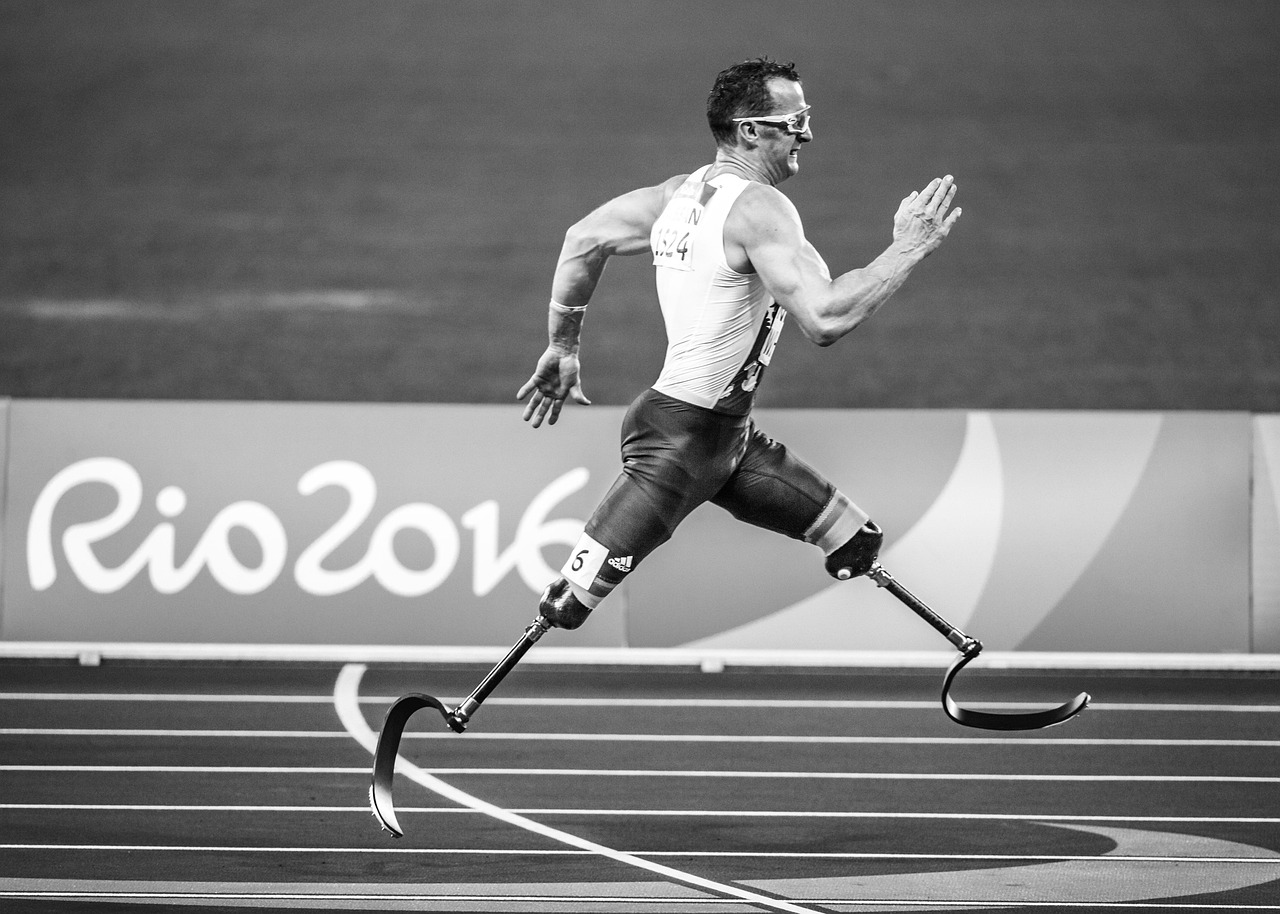
Knowing the types of prosthetics available is essential for making an informed choice. Some common types include below-knee prosthetics, above-knee prosthetics, and specialized running blades. Each type has unique features designed to enhance mobility and performance. Below-knee options are typically lighter and easier to maneuver, allowing for more natural running techniques. On the other hand, above-knee prosthetics might provide additional stability for runners who require more support. Specialized running blades, often made from advanced materials, are engineered specifically for active participation in running sports. They often have a spring-like design that gives users a propulsion effect. Understanding your unique needs and how each type interacts with your running style is beneficial. Consulting with professionals can help clarify these options further. Engage with fellow athletes, as they can offer real-life insights into the functionalities of various models. Additionally, when trying prosthetics, pay attention to factors like shock absorption and weight distribution, which can significantly affect comfort and endurance. Ultimately, the choice of prosthetic should align with your personal goals and trail running aspirations.
One of the essential factors to consider when choosing the right prosthetic for trail running is the weight of the device. Lightweight prosthetics can enhance your performance during long-distance runs, as they typically result in less fatigue over time. An ideally balanced lightweight prosthetic should not compromise stability or support. Next, the design of the foot component can dramatically influence your trail running capability. Look for designs that provide excellent grip and traction, particularly for rough terrains. Many trail utopian runners find that multi-directional treads are beneficial for navigating uneven surfaces. Another vital aspect is the customization of the prosthetic. Individuals often have different preferences and requirements based on their anatomy and running style. Therefore, choosing a prosthetic that allows for adjustments can lead to better performance and comfort. Furthermore, consult your orthopedic specialist to explore customization options during the fitting process. Engaging in pre-purchase fitness evaluations can further ensure that the prosthetic aligns with your specific running needs. Keep an open line of communication with the prosthetic provider to ensure you’re getting the best options available for trail running.
The Importance of Trial Runs
After narrowing down your selection, it’s critical to engage in trial runs with the prosthetic. A proper fitting should allow for movements that mimic actual running behaviors, letting you assess comfort and usability during activity. As you engage in these trial runs, pay close attention to feedback from your body. Notice any discomfort or awkward movements; these factors can indicate whether the chosen prosthetic meets your needs adequately. Moreover, test the device across different terrains, such as steep hills, rocky paths, or muddy trails, to evaluate performance under varied conditions. The prosthetic’s adaptability to different surfaces can prove essential in your overall experience as a trail runner. Encourage friends or family to accompany you during these test runs, as they can offer valuable opinions and perspective on your form and balance. Many running shops specializing in prosthetics may also offer facilities for trial runs. Taking advantage of this service can provide a deeper understanding of how well a device may perform during real-world conditions. Keeping a journal of these experiences can help track which features resonate best with your trail running style.
Monitoring your experience over time is crucial once you’ve committed to your prosthetics. Regular evaluations can help identify any necessary adjustments or changes in your running approach. This is particularly important as you increase your mileage or tackle more challenging trails. Don’t hesitate to return to the specialist for a reassessment, especially if you discover issues like persistent discomfort or diminished performance. Prosthetic technology is continually evolving, and some newer options could better serve your needs. Remember to maintain open communication with your provider for any potential upgrades or modifications. Staying engaged with your running community can also yield fresh insights on emerging technologies or best practices. Additionally, consider incorporating strength training and flexibility exercises into your routine. This can aid in adapting to your prosthetic over time and enhance your overall performance on the trails. It often takes time to find the perfect adjustments in your prosthetic for optimal functionality. As you become more experienced, adapting your equipment approach will be necessary for maintaining an enjoyable trail running experience.
Seeking Support and Community
Choosing the right prosthetics for trail running should not be a solitary journey. Engaging with a community of trail runners who face similar challenges can provide emotional and educational support. There are various online forums and social media groups dedicated to athletes with disabilities. These platforms are rich with resources, shared experiences, and practical advice that can assist in your decision-making process. It is empowering to know that you are not alone, and connecting with others can spark motivation, encouragement, and invaluable insights into their unique journeys. Attend local or national trail running events that cater specifically to adaptive athletes. Many organizations facilitate inclusive races, allowing individuals to test their gear in a competitive yet supportive environment. Seek mentorship or coaching from experienced adaptive athletes who are willing to share their learnings and best practices on prosthetics and training. Utilizing these resources can lead to lasting friendships, invaluable knowledge, and an enhanced sense of belonging. Your journey can also inspire others, fostering a supportive atmosphere where everyone can thrive in trail running and beyond.
In conclusion, selecting the right prosthetics for trail running requires careful consideration, research, and community engagement. From understanding the various types of prosthetics available to knowing the importance of trial runs and ongoing adjustments, each step is crucial for your success. Emphasizing comfort, fit, and the adaptability of the prosthetic to diverse terrains can significantly impact your performance. Be proactive in seeking specialist advice, engaging with trial runs, and seeking community support. By doing so, you can empower yourself to flourish as a trail runner with disabilities and conquer various trails. The dedication and effort to find the right solutions will ultimately enhance your experience, making every run enjoyable and fulfilling. Remember that moving forward involves being in tune with your body and understanding your unique needs. Participate actively in groups and events for thorough insights and support. As the trail running community continues to evolve, new opportunities and technologies will continuously enhance the experiences of adaptive athletes. Embrace your journey, and never hesitate to seek knowledge and support in your pursuit of trail running excellence.