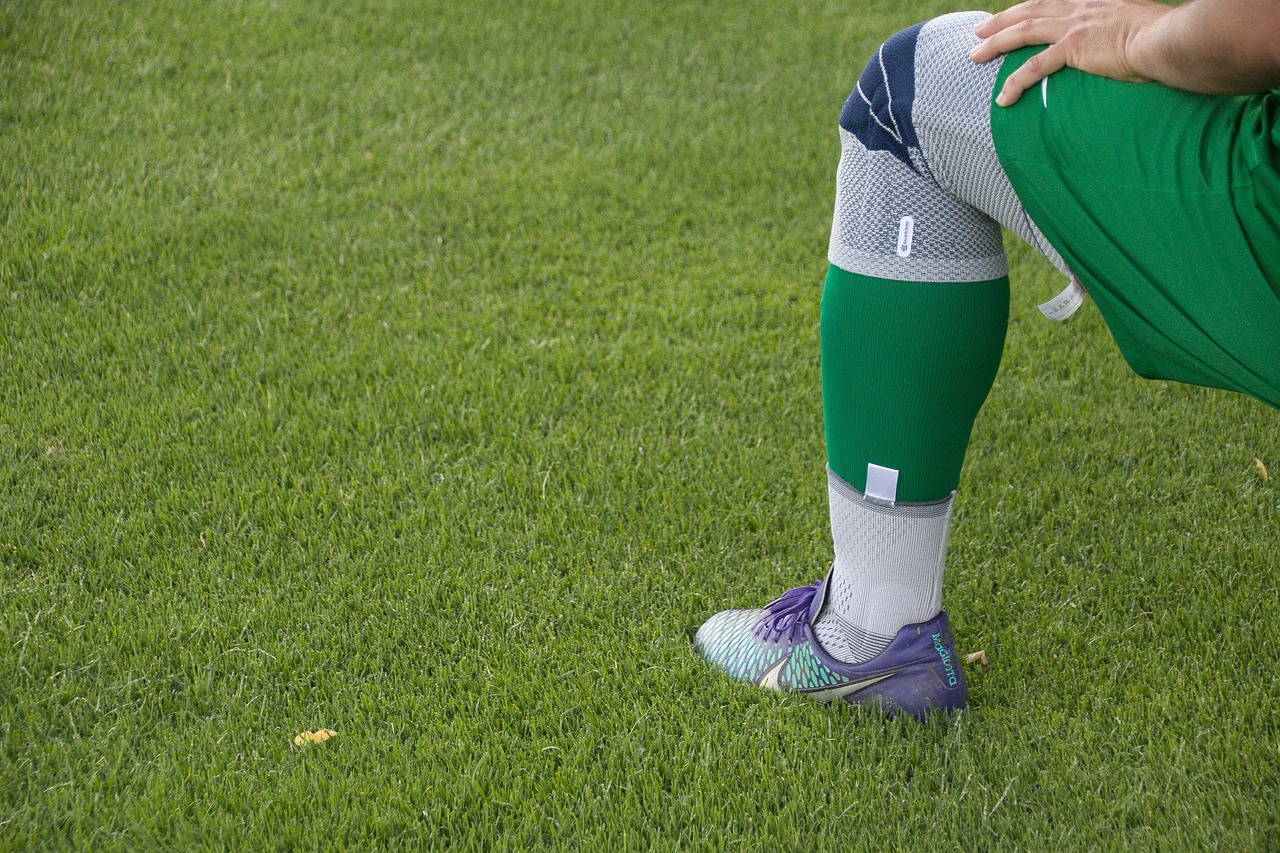

How to Return to Sport After an Injury Safely
Returning to sports after an injury can be a daunting challenge. Getting back to your previous performance levels requires patience and an organized approach. Moreover, it’s crucial to adhere to all rehabilitation protocols provided by healthcare professionals. Begin with a comprehensive assessment from a qualified sports medicine expert who understands your specific sport, the injury sustained, and your physical condition. This initial evaluation is essential for creating a tailored recovery plan. Set realistic, achievable short- and long-term goals, focusing on gradual improvement. Implementing a structured rehabilitation program that includes physical therapy can greatly enhance recovery and minimize the risk of re-injury. Strength training, stretching, and cardiovascular conditioning should all be components of your rehabilitation routine, helping restore function and flexibility. Additionally, consult with coaches and trainers for sport-specific drills that can aid your reintegration into your sport. Most importantly, listen to your body throughout the process. If you experience pain, stop immediately and consult your healthcare provider. Remember that your long-term health and safety should always come before performance or competition. Rehabilitation is crucial; prioritize it to ensure a safe return to sports.
After receiving proper guidance, it’s essential to evaluate your readiness to return to the sport. This often involves understanding the signs that you are physically and mentally prepared to compete again. Assess your injury recovery progress, ensuring that you have regained adequate strength, endurance, and range of motion before returning to play. It may also be helpful to partake in simulated play and practice sessions to gauge your readiness for competitive environments. Additionally, consider mental preparation as a key component of returning. Anxiety and fear of re-injury can affect performance, so work closely with mental health professionals or sports psychologists, if necessary. Strategies like visualization can help build confidence in your physical capabilities. When gradually reintroducing yourself to the sport, follow a stepwise approach, beginning with low-impact activities and progressively increasing intensity and duration. Always take note of any discomfort during this process and be proactive in addressing concerns with your medical team. Engaging with teammates can enhance motivation and support, making the transition smoother. Remember, it’s crucial to remain patient and recognize that full recovery takes time and varies for each individual.
While returning to sports, consider the importance of incorporating injury prevention strategies into your routine. These methods can significantly reduce the likelihood of future injuries and improve overall performance. Start by focusing on proper technique in your sport; it’s vital to receive feedback from coaches or trainers to ensure efficiency and safety. Additionally, balance training and strength exercises are fundamental in enhancing stability and reducing injury risks. Engaging in regular conditioning and warm-up routines helps prepare your body for physical activity while minimizing the chances of strain or stress. Proper equipment, including footwear and protective gear, should not be overlooked as it can significantly impact safety. It’s also advantageous to pay attention to rest and recovery techniques, as overexertion can lead to setbacks. Techniques like foam rolling, stretching, and adequate hydration can aid recovery and improve performance. Furthermore, establishing a support network of coaches, teammates, and health professionals can provide motivation and ensure accountability. By implementing a comprehensive approach that includes both performance enhancement and injury prevention, athletes can achieve sustained success while lowering injury risks when returning to sport.
Communication with your healthcare professionals is an essential element of a safe return to sports after injury. Maintain an open dialogue regarding your recovery process, noting any concerns or changes you experience. These professionals can offer valuable insights and adjustments to your rehabilitation plan as needed, ensuring your progress remains on track. Regular follow-ups can help monitor your condition, allowing for timely interventions that prevent potential re-injury. Moreover, understanding the nature of your injury and the implications it has on your sport is crucial for your mental preparation. Knowledge empowered by professionals can help alleviate fears and misconceptions that may arise during your recovery journey. You may also benefit from joining support groups or networks for athletes who have experienced similar injuries. Learning from the experiences of others may provide encouragement and practical tips to aid your recovery process. Also, it’s essential to educate yourself about the importance of mental health throughout your athlete journey. Many athletes experience emotional challenges during recovery, and approaching this aspect with equal dedication to physical health can significantly benefit overall outcomes.
Gradual Integration into Sports
Gradually reintegrating into your sport is crucial for minimizing injury recurrence while enhancing confidence. Start your return with practice sessions focusing on essential skills rather than competitive play. This allows you to regain familiarity and competence without the pressure of competition. Begin with light activities, progressively moving to more intense drills as your body allows. Monitoring physical responses during these exercises is vital, providing real-time feedback on your readiness for further challenges. Engage your coach to develop a tailored training plan that includes specific goals for your skill set, ensuring you are progressing safely. It can also be advantageous to set up gradual benchmarks, allowing for adjustments based on physical feedback. Always remember to incorporate rest days, listening closely to any signs of pain or discomfort. Incorporating recovery strategies, like ice therapy and mobility exercises post-activity, will aid your long-term health. Emotional readiness is as important as physical. Develop mental resilience through consistent practice and visualization techniques, reinforcing your mindset. The overall aim is to ensure you not only return to your sport but perform optimally while doing so, laying the groundwork for a sustainable competitive future.
Consider the importance of nutrition in your recovery and performance routine when preparing for your return to sports. A balanced diet rich in antioxidants, proteins, and healthy fats is critical for healing injured tissues and replenishing energy levels. Nutritional requirements can fluctuate during recovery, stressing the need for adequate vitamins and minerals. Consulting a sports nutritionist can provide personalized dietary recommendations suited to your sport, injury, and official guidelines for recovery phases. Additionally, maintaining hydration levels supports recovery and aids in athletic performance, so ensure that you’re drinking sufficient fluids consistently. Pay special attention to pre- and post-workout nutrition to fuel efforts while replenishing energy afterward effectively. A well-timed meal before returning to play can enhance performance by providing the necessary energy and stamina during practice or competition. Also, consider exploring supplements—such as omega-3 fatty acids or collagen—that may support joint health and flexibility. The right nutritional choices support not just physical recovery but enhance mental clarity and focus, providing a holistic approach to your return. Make nutrition an ally in your recovery journey, ensuring your body is primed for competition again.
Listening to Your Body
Always keep in mind that listening to your body is of utmost importance during the recovery process. It’s common to experience discomfort during rehabilitation, making it critical to differentiate between normal soreness and pain indicating something is wrong. Understanding your body’s limits and respecting them are vital for a safe return to sports. Attune yourself to signals that may suggest your body is struggling, including fatigue, soreness, or decreased performance. Engaging in self-care strategies—for instance, mindfulness and journaling—can help articulate how you feel, providing context during this transformative period. Ensure you communicate openly with your coach or trainer about how you are feeling both physically and emotionally. They can help adjust your training approach as needed or suggest recovery days if you’re over-exerting yourself. Respecting these cues may prevent long-term injuries, especially in the early stages of your return. Remember that a gradual approach is better than rushing through the recovery. Your ultimate goal is sustainability in your athletic pursuits, which requires you to prioritize your well-being over immediate performance. Stay persistent and patient; regularly revisiting your objectives will help keep you on track.
Finally, remember that every athlete’s journey back to sports is unique. Tailor your recovery process according to your specific situation, abilities, and sport requirements. Consulting healthcare providers, including physical therapists and sports trainers, is essential for personalized care. Ensure you’re taking both physical and mental aspects seriously during your journey, as both play a pivotal role in your overall recuperation. Reaching out for support, whether from teammates, family, or professionals, can be incredibly beneficial as you navigate this process. Documenting your progress will also create a sense of accomplishment as you observe improvements over time. Be patient with yourself and stay focused on your goals, understanding that some setbacks might occur—but that’s part of the journey. Engaging in educational resources about sports injuries, recovery strategies, and success stories can also be motivational. Perseverance and dedication to your recovery will pay off when it’s time to come back stronger and more resilient than before. Whether your aim is competition or casual play, taking the time to prepare adequately will make a significant difference in a successful return to your beloved sport.