
How to Test Your Inline Skating Gear for Safety Before Riding
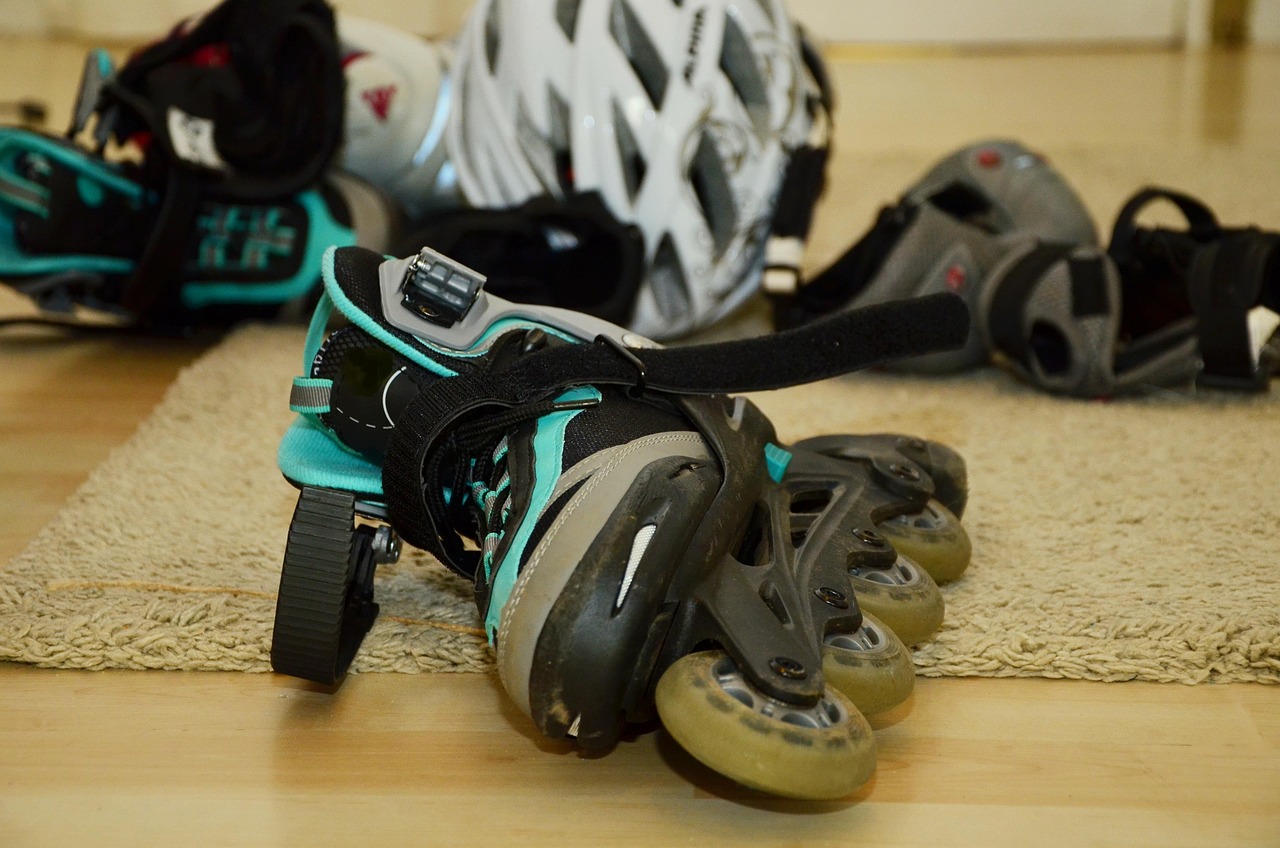
Before you hit the streets or have some fun in the park, conducting a thorough safety check on your inline skating gear is crucial. Start by inspecting the integrity of your skates, ensuring that all parts are securely fastened and functioning properly. Pay special attention to the wheels: check for chips, cracks, or any signs of excessive wear. This can affect your stability and control while skating, which are essential for safe movements. Furthermore, ensure that your bearings are clean and spinning smoothly; this will make a significant difference in your performance. Don’t forget to verify that the brake pads are in good condition and positioned correctly. If your skates are equipped with replaceable parts, like the buckles or straps, look for any necessary replacements as damaged parts can compromise safety. Making sure that your helmet fits snugly and does not shift during movement is paramount. Always take the time to check all of your gear, including pads, to protect from falls and injuries. Last but not least, ensure compliance with local safety standards for inline skating.
After performing visual checks, it’s vital to proceed with functional tests on your inline skating gear. Start with the brakes on your skates, as they play a pivotal role in your ability to stop safely. Test the brakes by pushing forward gently and then applying pressure on the brake pads. They should engage smoothly without any noise or grinding sound. If you hear a clunky sound or notice they don’t stop effectively, it’s time to replace them. Additionally, ensure that your skates fit well; improper fit can lead to blisters and accidents. When wearing your skates, walk a short distance to test for comfort and functionality. Your foot should feel secure without any excessive movement. The pads you wear should also be in prime condition, not only to absorb impacts but to fit securely without slipping. Remember to check that your wrist guards, knee pads, and elbow pads fit snugly and don’t restrict movement. Proper gear will help you be more confident and free as you skate. Lastly, ensure your laces and straps are tied appropriately; loose laces can become a tripping hazard. Conducting these tests can prevent mishaps.
In addition to checking the skates themselves, remember to assess your inline skating accessories. These may include your protective gear such as helmets, pads, and wrist guards. Start with your helmet: Check for cracks or significant wear, inside and out. A snug fit is crucial for it to provide optimal protection against head injuries. If your helmet is old or damaged, consider replacing it. Next, inspect your protective elbow and knee pads. Ensure they have not been compromised; check their material for wear, and ensure the straps are functional, allowing for easy removal and attachment. Furthermore, make sure that these pads do not hinder your range of motion as you skate. This is crucial for both comfort and protection. Next, don’t forget about wrist guards; they should not only fit well but also allow you to push yourself up off the ground in case of a fall. Finally, if you often skate during low visibility conditions, investing in reflective gear or bright colors can significantly improve your visibility to others. Safety often involves more than just gear; it includes your environment too!
Pre-Ride Safety Check Before Leaving
While preparing for your inline skating session, it’s essential to conduct a pre-ride safety check. Start by setting up your skating path. This involves checking the terrain and ensuring that you’re skating in a safe, open area free from obstacles like holes or debris. Awareness of your environment is paramount; watch for potential hazards such as pedestrians, cyclists, or vehicles sharing the same path. Also, familiarize yourself with local skating rules and regulations, as these may include designated skating lanes or zones. Ensure you inform friends or family of your skating plans, particularly if you’ll be skating alone. Always carry a fully charged phone for emergencies and consider wearing reflective clothing, especially in low light conditions. In addition, having the right mindset is vital; always be alert and focused while skating to react promptly to changing situations. Doing a quick consideration of your surroundings can greatly enhance your safety. Lastly, consider carrying lightweight tools like a multi-tool, which can help in tighter situations if adjustments are needed mid-ride. Embedding these rituals into your routine can lead to safer and more enjoyable rides.
While inline skating offers excitement, it’s essential to understand the basic safety techniques to minimize the chances of accidents. Start by learning how to fall properly; this might seem counterintuitive but can prevent serious injuries. When you feel yourself losing balance, try to roll in your fall rather than landing directly on your joints. Keep your body relaxed and try to land on the fleshy parts of your body, like your thigh or hip, which might absorb impact better. Additionally, wearing all protective gear, including your helmet and pads, can significantly reduce injury risks. Another technique is learning how to make controlled stops. Braking is an essential skill, particularly when descending hills. Familiarize yourself with methods such as the T-stop or snowplow stop, as these can effectively slow you down without losing balance. Regular practice will make these actions second nature. Finally, understanding skate etiquette is vital; signaling your actions to others on the path can prevent collisions. Be courteous, observant, and conscious of your surroundings. Establishing good habits will not only keep you safe but contribute to a positive skating environment for everyone.
Finally, don’t underestimate the importance of regular gear maintenance in ensuring safety while inline skating. Equipment that is well-maintained will perform better, significantly decreasing the risk of accidents. Set up a routine maintenance schedule that includes checking wheel tightness and replacing worn-out parts. When it comes to wheels, inspect their condition regularly; rough surfaces can affect their grip. In addition, cleaning your bearings can ensure they operate smoothly, which extends the overall lifespan of your skates. After each skating session, wipe down your skates to remove dirt and debris that could cause deterioration. Comfort is also a critical factor, so inspect your boot lining regularly for wear and replace any that feels thin or uncomfortable. Be sure that your skates remain in good working condition; if you notice any unusual sounds or performance issues, consult a professional for repairs. Lastly, staying informed about new safety gear technologies can also enhance your skating experience. Regular reviews of the latest protective equipment could provide you with better options for safety enhancements. Making maintenance a priority is a simple measure you can take to make or break your inline skating safety.
Conclusion and Final Thoughts
In conclusion, ensuring your inline skating safety begins with a comprehensive check of your gear before riding. Each component, from skates to protective gear, must be assessed for quality and function to enhance the skating experience. Remember to conduct consistent functional tests and stay aware of your environment to make quick decisions while skating. Practicing essential techniques, such as proper falls and stops, can make you a more resilient skater. Additionally, regular maintenance and repair routines will significantly improve the longevity of your equipment while preventing unexpected failures. Make safety a part of your inline skating culture; take pride in the gear you use and ensure it meets the highest safety standards. Following these steps will not only keep you safe but will also provide greater confidence as you ride. The key to enjoying inline skating is preparation and awareness; being properly equipped and knowledgeable about your gear leads to safer and more enjoyable sessions. Always remember that both fun and safety can coexist on your roller journey, and your commitment to safety is the foundation for a rewarding inline skating experience.
Finally, maintaining an open line of communication with fellow skaters can provide invaluable insights and experiences. Sharing knowledge about safety checks, gear maintenance, and skating techniques can enhance not only your experience but also those around you. Encourage constructive discussions about safety and finding solutions to identified issues can craft a supportive skating community. Always aim to lift each other up by providing encouragement and sharing your individual skating experiences. Each skater has their own journey, and exchanging stories or advice creates a bond that enhances the skating culture. Additionally, organizing group rides or meetups can motivate all members to maintain their gear in prime condition, while fostering friendships within the community. Regularly checking in with each other promotes accountability, emphasizing the importance of safety among your peers. Lastly, consider participating in local skating events or groups; they often offer workshops and clinics on safety that further enhance your knowledge. Ultimately, focusing on safety creates not just better skaters, but well-rounded individuals within inline skating. Adopting these principles and practices ensures a thriving inline skating culture that prioritizes safety, camaraderie, and enjoyment.