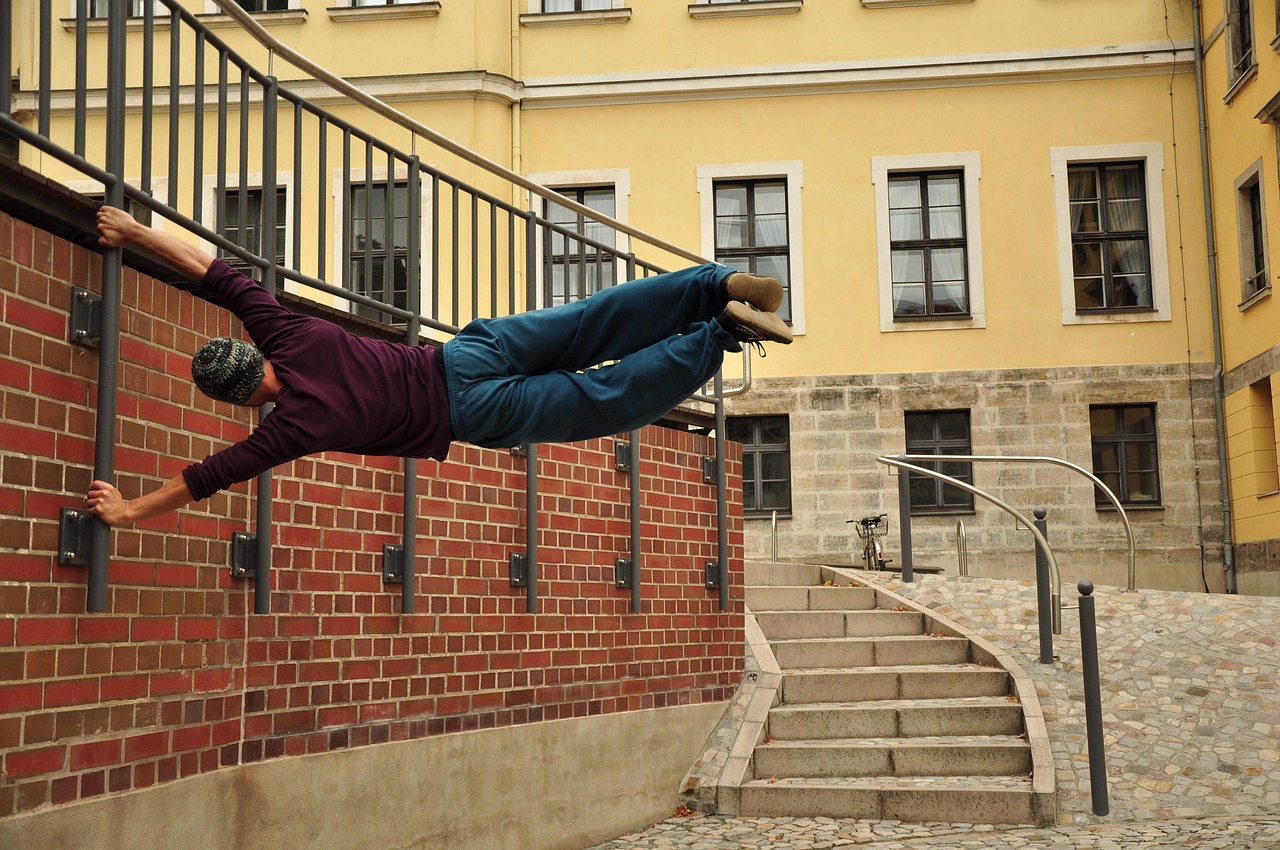

Setting Up Challenge Courses to Enhance Agility and Speed
Creating your own training park for parkour and freerunning is an exciting endeavor. You can transform any regular outdoor space into a vibrant training ground for agility and speed enhancement. To get started, you will need to determine the available space, as it will dictate the types of challenges you can incorporate. Begin by surveying the area for height variations, surfaces, and potential obstacles. An essential aspect is to evaluate how these elements can be optimized for training. You can maximize the training functionality of existing structures such as benches, walls, and rails. Moreover, consider building robust facilities like ramps or vault boxes to create diverse challenges. Your goal should be to innovate obstacle courses that provide various difficulties, catering to different skill levels. Building agility ladders, balance beams, and wall runs will enhance core strength when used consistently. Prioritize safety by ensuring that your area is free from hazardous debris and that all installations are sturdy. Be creative and adapt your obstacles as required to keep training interesting and challenging.
Once your space is set up with appealing challenges, focus on designing a progressive training schedule. Incorporate warm-ups before any rigorous training. Start with fundamental exercises that build strength and proper technique, which are essential for parkour and freerunning. Skills such as precision jumps, rolls, and landings are foundational and should be practiced extensively. As trainees become comfortable, gradually increase the difficulty of the challenges. Progression can involve adding height to jumps or narrowing gaps between obstacles. Regularly assess the participants’ progress to adjust the training intensity according to their development. This keeps them motivated and prevents stagnation. Include recovery days to allow muscles to recuperate, which is crucial for avoiding injuries. To facilitate community involvement, consider hosting small gatherings or team training sessions at your park. This fosters camaraderie and encourages peer learning. Utilize social media to promote these events and document progress through video clips. Recognizing achievements, however small, can significantly enhance individual motivation and overall enjoyment of training.
Types of Obstacles to Include
Next, consider integrating a variety of obstacle types that focus on different skills. The diversity in workouts not only keeps the training engaging but also enhances overall agility. Incorporating elements like walls, barrels, and railings challenges the balance and coordination of the participants. For example, painted concrete blocks can serve as additional hurdles, while old tires can be placed strategically to improve footwork. Incorporate climbing walls to develop upper body strength; these walls can create challenges such as scaling vertical surfaces of various heights. Another excellent option is to create vaulting stations, where participants practice clearing obstacles smoothly and efficiently. Swinging ropes are also effective for honing grip strength, coordination, and speed. Ensure that you have a diverse range of challenges that cater to various skill levels—beginner to advanced. Lastly, consider the aspect of modular obstacles that you can adjust or move as per the required skill focus. This flexibility will keep your training area dynamic and adaptable to various training goals.
In addition to physical training, mindset plays a vital role in parkour training. Cultivating the right mental attitude can significantly impact participants’ performance and willingness to take risks. Encourage a positive approach toward challenges where mistakes are seen as learning opportunities rather than setbacks. Empower trainers to set personal goals, focusing on achievable milestones that gradually build confidence. Ensure that group discussions are encouraged to share thoughts about experiences, accepting that fear can be a part of the journey. Include activities such as visualization techniques, where practitioners mentally rehearse their movements before attempting them in reality. This practice can boost determination and reduce anxiety. Moreover, motivating participants through collective goals can foster a spirit of support and cooperation. More than just physical capabilities, developing one’s creativity in finding unique solutions to obstacles is crucial. Regularly present new challenges to push boundaries and encourage innovative thinking. Emphasizing this aspect can enhance critical thinking and adaptability, essential attributes in parkour and freerunning.
Safety Measures and Best Practices
Safety should be the hallmark of any training facility. Ensure the area is free from hazards, and volunteers are present to monitor training sessions. Create dynamic rules around safety and risk management, emphasizing the importance of assessing conditions before practices. Ensure participants understand their limits; knowing when to attempt a move is vital in preventing injuries. Providing adequate protective gear, such as pads or helmets, can contribute positively to a safe training environment. Moreover, including soft landing surfaces, like mats or grass, can significantly reduce impact risks during high-intensity activities. Formulate guidelines that everyone follows, like maintaining a safe distance when others are practicing, allowing ample space for all participants. Establishing a first aid kit on-site will also prepare you for any accidents that may occur. Continuous education on proper techniques and safe practices can enhance knowledge significantly. Facilitate workshops periodically where professional trainers share insights about safety methods and injury prevention. This community-focused approach will establish a solid culture of safety and awareness in your training park.
Regular assessments and progress tracking is an integral part of developing agility and speed in parkour and freerunning. Documenting performance will not only provide insights into individual growth but also inform future training decisions. Incorporate markers or performance metrics that participants can use to self-assess improvement over time. It could involve tracking the total number of completed runs or measuring time taken to complete certain obstacles. Providing tools such as charts or journals allows trainees to manage their progress visually, fostering motivation. Another way to do this is through video analysis; recording training sessions can unveil technical flaws in movement that need addressing. Also, encourage peer feedback within training groups so participants can receive constructive criticism from fellow trainees; this strengthens community ties. As improvements are noted, celebrate achievements—even the smallest milestones. Recognizing these moments promotes a positive learning environment and reinforces the joy of practicing parkour. This spirit of growth and acknowledgment encourages continuous effort toward mastering new skills and overcoming personal challenges.
Community Engagement and Events
Finally, encourage community engagement by organizing events that invite the wider public to experience parkour and freerunning. Hosting open training days can introduce newcomers to the sport, cultivating interest in physical fitness. Create events such as obstacle challenges or competitions where participants can showcase their skills. These gatherings not only encourage your group but also create networking opportunities for enthusiasts across different levels. This visibility can attract sponsors interested in supporting local talent in the parkour community. Collaborations with local sports clubs or fitness centers may yield potential partnerships, reaching a broader audience. Consider online platforms to promote events and create engageable content that can be shared widely. Capturing and sharing videos of events encourages more individuals to join, enhancing communal participation. By building a thriving community, you foster support structures among practitioners, which can be crucial for motivation and skill development. Ultimately, by creating a vibrant community around your training park, you will not only enrich the experience for everyone involved but also contribute to expanding the reach of parkour and freerunning.
In conclusion, establishing a training park embodies creativity, community, and commitment to improvement. By carefully planning and crafting varied challenges, ensuring safety, and nurturing a supportive atmosphere, you can create a space that fosters growth. Effective communication and regular feedback mechanisms are crucial to maintaining engagement and motivation. Remember, the only limits are those we impose on ourselves, and parkour embodies this philosophy. Dedicate time both to physical training and mental preparation—to develop resilience and adaptability. You’ll find that participants evolve not merely as practitioners but as individuals overflowing with confidence and drive. Invite creative expression and make adjustments to keep things interesting. Create an environment that encourages collaboration and innovation. Continue evolving alongside your community in the world of parkour. This journey brings forth a multitude of opportunities for learning and empowerment through movement. By fostering a purpose-driven culture, you’ll be well on your way to creating a lasting impact within the local parkour scene. A well-structured training park represents more than just space; it becomes a catalyst for personal transformation, pushing everyone to unleash their potential.