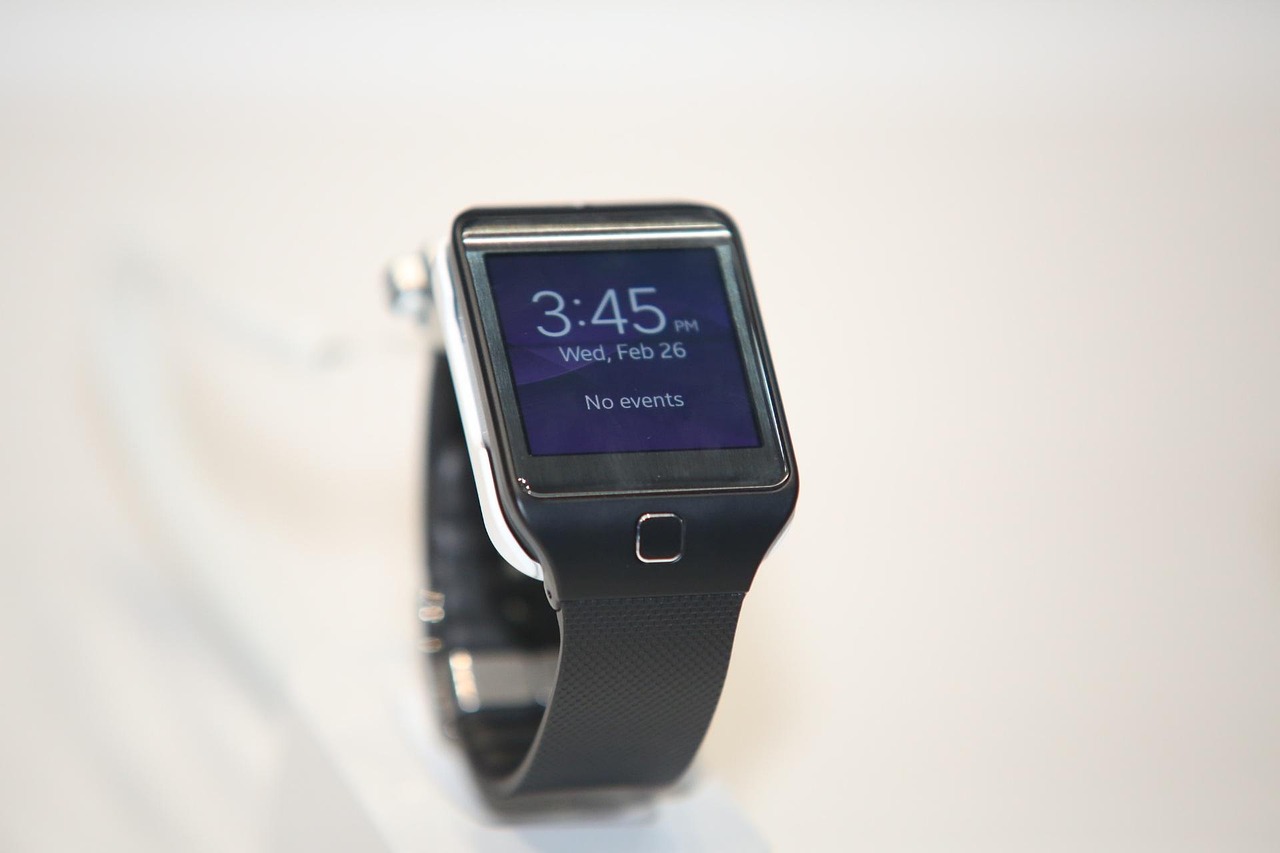

The Future of Wearable Technology in High-Intensity Training
Wearable technology has revolutionized the fitness industry, particularly in high-intensity interval training (HIIT). With growing emphasis on performance tracking, athletes are adopting wearables for insights into their health metrics. Enhanced heart rate monitors, accelerometers, and even oxygen saturation technology enable users to monitor their exertion levels accurately. These tools facilitate customized training sessions that focus on efficiency and achievement of fitness goals. Moreover, real-time data retrieval empowers users to adjust their intensity, ensuring sustainable exercise without overexertion. Exciting future developments in wearables will likely include better integration with mobile applications, offering personalized recommendations based on data collected. Smart algorithms can interpret trends, allowing individuals to optimize their workouts effectively. Furthermore, such wearables can motivate users by providing feedback directly on their performance metrics. The trend may face challenges including privacy concerns and the need for consistent device performance. There is a growing expectation for wearables to be equipped with artificial intelligence capabilities. As technology continues to evolve, the fusion of wearables and HIIT workouts becomes increasingly sophisticated, leading to more personalized fitness experiences for users.
The Next Generation of Wearable Devices
In the upcoming years, wearable devices focused on HIIT workouts are poised to become even more advanced. Companies are already investing in research to enhance battery life, improve sensor accuracy, and implement innovative designs that are more comfortable. High-tech materials combined with stylish designs will attract fitness enthusiasts who want their devices to match their style. Expect multifunctional wearables combining heart rate monitoring, calorie tracking, and GPS capabilities in one sleek package. Integration with virtual reality can also transform HIIT training, making workouts engaging through immersive experiences. Such developments will likely create excitement and commitment towards personal fitness goals. Wearable companies are exploring varied charging methods, including solar technology and skin-based energy harvesting solutions. These innovations aim to reduce the hassle of frequent charging, enabling uninterrupted training sessions. Moreover, seamless interaction with other smart accessories, such as workout benches or connected gym equipment, will create interactive environments. This connectivity will cater to the growing digital fitness community, providing users with a collaborative platform for sharing progress, challenges, and success stories in their high-intensity training journeys.
Data-Driven Insights for HIIT
Data-driven insights are undeniably changing the landscape of HIIT workouts. By utilizing wearable technology, users can access detailed analysis of their performance history. Understanding personal metrics, like peak heart rate and average recovery time, helps individuals assess improvements over time. Moreover, wearable data can be shared with trainers, enabling personalized coaching sessions based on real-time feedback. Such collaboration can bridge the gap between self-training and professional guidance, leading to better results in fitness goals. Studies suggest that athletes utilizing wearables are more likely to stay committed to their workouts, attributing this phenomenon to immediate feedback and motivation. By recognizing user trends, companies are developing applications tailored to individual preferences, promoting exercises suited to one’s fitness levels. Gamification features will enhance user engagement, transforming workouts into fun activities rather than grueling tasks. Through challenges, leaderboards, and rewards, users may feel more inclined to push their boundaries. This approach cultivates a vibrant fitness community, further motivating participants to maintain high standards in their workout regimens. The future of HIIT workouts will undoubtedly thrive on data, leading to smarter, more efficient training practices.
The Importance of User Experience in Wearables
User experience (UX) is a critical aspect of wearable technology that significantly impacts its adoption in HIIT workouts. Developers understand the importance of creating intuitive interfaces and enhancing functionality for users across various fitness levels. A seamless UX allows both beginners and athletes to navigate through workout analytics effortlessly. Customizable features, such as adjusting workout timers or selecting target heart rates, significantly enhance user satisfaction. Additionally, wearables must offer comfortable designs that remain unobtrusive during high-intensity activities. This consideration not only enhances user experience, but also helps ensure consistent usage. As technology advances, voice recognition might play a role in allowing users to receive updates or make adjustments without interrupting their workouts. Furthermore, aesthetics cannot be overlooked; appealing designs will attract fitness enthusiasts who want fashionable gear. Striking a balance between technological sophistication and user-friendly interfaces is essential for manufacturers to maintain competitiveness. If done effectively, user experience improvements will not only increase adherence to exercise but also promote a healthy lifestyle. Ultimately, products that prioritize user satisfaction will likely dominate the fitness market, setting the stage for advanced HIIT training solutions.
Integrating Wearables with Group HIIT Training
As HIIT continues to gain popularity in group workout formats, the integration of wearable devices can transform these social training experiences. By facilitating real-time performance tracking, trainers can effectively monitor group members and manage the overall intensity levels. Wearable devices can help create an engaging environment by fostering healthy competition among participants. When individuals can see their peer’s metrics, they are often encouraged to push their limits and enhance their performance. Moreover, group classes that integrate wearables can utilize live data to adjust the pacing of workouts, ensuring that participants remain adequately challenged. Real-time feedback allows trainers to provide immediate support to those struggling, leading to better workout outcomes. Such collaborative environments not only foster camaraderie but also lessen the likelihood of workout burnout. As technology prevents stagnation in group settings, social encouragement becomes a powerful tool for achieving fitness goals. The evolution of group HIIT workouts will increasingly rely on wearables to sustain participant engagement. Enhanced connectivity between devices will forge partnerships in health and fitness, promoting well-being beyond individual motivations.
The Future of Health Monitoring with Wearables
Future wearables in HIIT training will offer comprehensive health monitoring beyond fitness activities. Tracking metrics such as hydration levels, sleep quality, and stress certifications will provide insights for optimal training schedules. By understanding these aspects, individuals can form the basis for customized workout regimens that consider overall wellness, ensuring sustainable progress. Wearables will incorporate machine learning algorithms to predict performance trends, helping users make informed decisions about their training. This predictive technology can help athletes recognize potential injuries before they worsen, enabling timely interventions and adaptable training approaches. Moreover, wearables will likely collaborate with healthcare professionals for preventative measures and early detection of health concerns. Personalized health plans that delve deeper into user metrics will bridge the gap between fitness and healthcare. Most significantly, the potential for wearables to integrate seamlessly with telehealth services remains an exhilarating possibility. As these sensors evolve, regular health check-ups might become less frequent, while fitness becomes an integral component in managing health outcomes. In this future landscape, preventive health monitoring will become the standard, leading to enhanced well-being and improved fitness levels.
Conclusion: The Future of Wearable Technology
The intersection of wearable technology and high-intensity training paints a promising future for fitness enthusiasts worldwide. As health and fitness become increasingly intertwined, the reliance on advanced wearables will only grow. Tomorrow’s fitness solutions will encompass holistic approaches that combine physical performance with overall well-being. With innovation, personalized support, and communal encouragement embedded within wearable technology, individuals will find greater satisfaction in their workout journeys. This revolutionary trend will likely inspire a new movement aimed at increased self-awareness and accountability to fitness goals. Potential concerns regarding privacy and security of health data should not deter this evolution but rather guide developers towards creating secure solutions. Transparency regarding data usage will foster trust among users, encouraging continuous engagement with their fitness goals. The union of technology and fitness motivates individuals toward better health outcomes, making wearables an essential aspect of modern HIIT training. With ongoing advancements, the future will undoubtedly usher in a new era for fitness, where wearables are indispensable tools in empowering countless individuals to reach their maximum potential. The future holds vast opportunities for innovation and inspiration in the world of wearable technology.