
Biomechanical Kinetics in Paralympic Sports Performance
Biomechanical kinetics plays a crucial role in enhancing performance in Paralympic sports, where every detail can significantly affect the outcomes of competition. Kinetics refers to the study of forces and their impact on the body during movement. In the context of athletes with disabilities, understanding the unique biomechanics involved in their respective sports is essential. These athletes often face distinct challenges that require specific adaptations in technique and equipment. Scholars emphasize that through proper analysis of kinetic data, coaches and trainers can tailor training regimens that optimize athletic capabilities. For instance, analyzing forces during running or throwing can identify inefficiencies that may hinder performance. Moreover, the adaptation of sports equipment, such as customized wheelchairs or prosthetics, relies heavily on biomechanical principles to ensure peak performance. By leveraging this knowledge, adaptations can maximize performance while minimizing injury risk. Comprehensive assessments might include motion capture technology which quantifies force outputs during athletic movements. Such detailed evaluations can be instrumental in providing athletes with feedback to refine their techniques and achieve their goals. The fusion of biomechanics with coaching methodologies is revolutionizing how athletes train for Paralympic events.
The significance of kinetic analysis is paramount in adapting sports for athletes with disabilities, as it can help identify potential areas for improvement. Kinetic data provides insight into the forces exerted during various movements, revealing the effectiveness of physical techniques utilized by athletes. Coaches often use this information to design training programs that focus on enhancing strength and efficiency within the sport’s context. For example, in wheelchair racing, analyzing the push forces applied by athletes can lead to improved strategies or adaptations in their racing techniques. Technology such as force plates and motion sensors allows for precise measurements, benefitting athletes significantly. This can also contribute to the customization of training approaches, ensuring that every athlete receives individualized support reflective of their biomechanics. In addition, understanding kinetics aids in injury prevention by highlighting risk factors unique to different disabilities or sports. Collaboration between biomechanists and coaches ensures a comprehensive approach to sports performance that factors in the individual needs of athletes. Coaches can translate scientific insights into practical applications, which can lead to breakthrough advancements in athlete performance while promoting inclusive participation in competitive sports.
Kinematics and Biomechanics
Kinematics, the study of motion without considering the forces, complements kinetics to give a complete analysis of movement. In professional setups, combining kinematic and kinetic data creates a holistic understanding of athletes’ performance. For Paralympians, this is particularly beneficial as it allows for detailed scrutiny of their movements. Kinematic analysis can uncover how an athlete’s limb movement and positioning contribute to force generation and ultimately, performance outcomes. Such analysis becomes intricate when considering the varying levels of ability among athletes, emphasizing the importance of individualized assessments. By evaluating joint angles and velocities, coaches can develop tailored strategies that maximize both speed and precision. Moreover, innovations in wearable technology have simplified the collection of kinematic data, providing real-time feedback during training sessions. This facilitates an iterative approach to technique improvement, allowing athletes to make adjustments on the fly. By linking motion analysis software with kinetic data, comprehensive performance evaluations are possible. The insights derived from such evaluations not only aid in immediate performance improvements but also contribute to long-term development strategies, ensuring athletes can compete optimally.
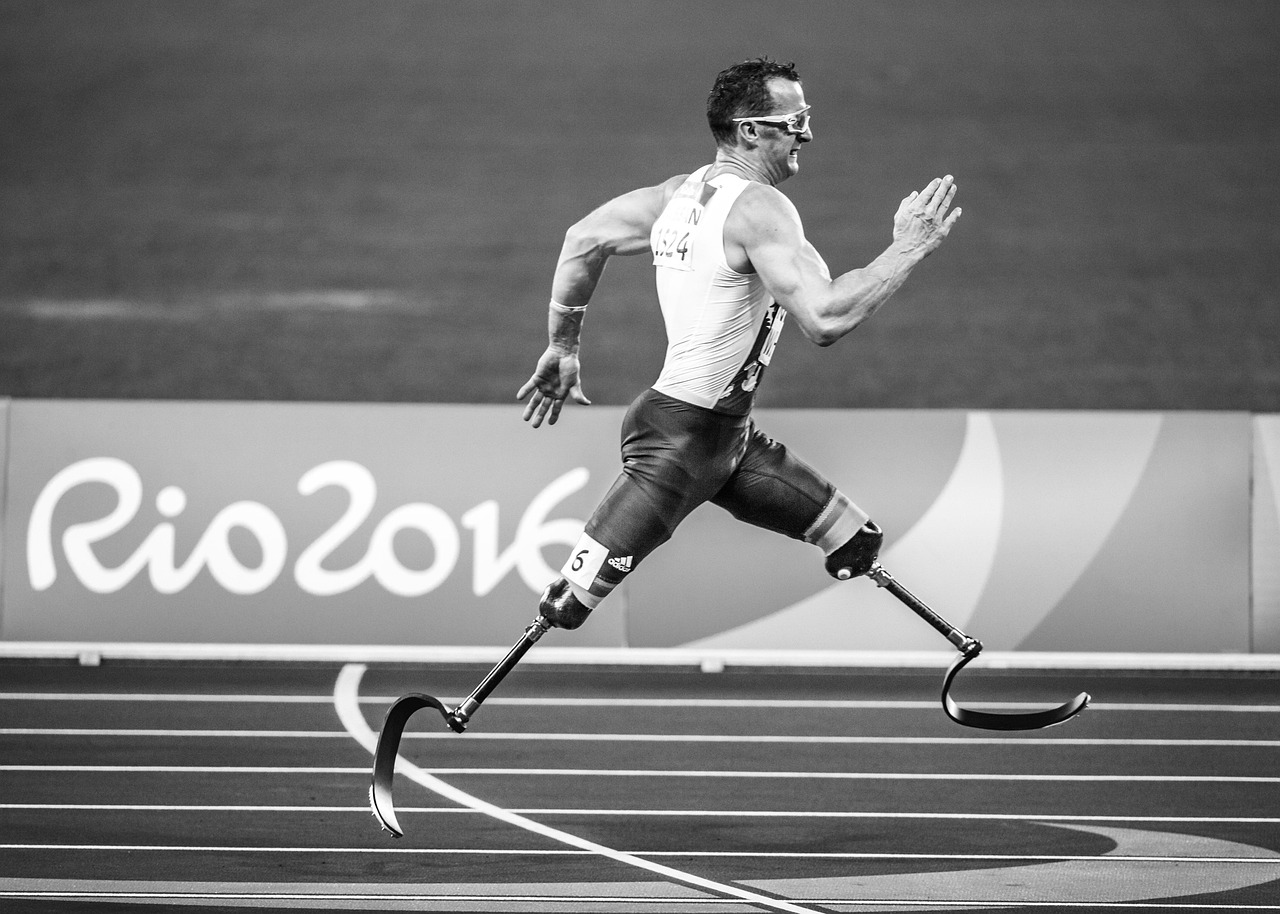
Equipment and technology play essential roles in maximizing athletic performance in Paralympic sports. This intersection of technology and biomechanics manifests in innovations such as custom wheelchairs or specialized prosthetics designed to meet individual athletes’ needs. These pieces of equipment are often engineered through rigorous biomechanical analysis to ensure they complement the athlete’s kinetic capabilities. For example, wheelchairs used in racing are designed to optimize aerodynamics and minimize friction, allowing athletes to achieve faster speeds. Technical advancements also include the integration of materials that enhance performance while remaining lightweight. Additionally, technologies driven by biomechanics, such as 3D printing, allow for rapid prototyping and adjustments. Athletes can quickly test variations of equipment tailored to their specific movements, fine-tuning their tools until optimal performance is reached. Furthermore, research into materials and design continues to evolve, focusing not just on competitive advantages but also on safety and durability. This constant evolution of technology reflects ongoing improvements in understanding how biomechanics can contribute to athletic success, paving the way for future innovations that enhance training and competition for Paralympic athletes.
Importance of Injury Prevention
Injury prevention remains a critical aspect of Paralympic sports, especially as athletes push their bodies to achieve peak performance levels. Kinetic analysis is integral to identifying potential risks that could lead to injuries. By understanding the forces and stresses applied to different body parts during various activities, it becomes possible to devise strategies to mitigate those risks. For instance, improper force application during a throw can lead to debilitating shoulder injuries for Paralympic athletes. Training regimens can thus incorporate exercises aimed at strengthening musculatures that support these high-risk areas. Moreover, periodic assessments using motion analysis can pinpoint deviations in biomechanics that might predispose athletes to injuries. Early identification allows for timely interventions, ensuring athletes maintain their health alongside competitive aspirations. Ultimately, creating robust injury prevention strategies through biomechanical analysis not only extends athletes’ careers but also enhances their experience in competitive environments. Coaches play a pivotal role in fostering an environment where injury prevention is prioritized without sacrificing performance. Collaborative efforts between trainers, therapists, and biomechanists contribute to the effective maintenance of athlete health while encouraging optimal participation in sports.
Education on biomechanics and its application in sports is crucial for coaches and athletes alike. As the field of biomechanics continues to evolve, staying informed about the latest developments can significantly impact athletes’ performances. Workshops and training sessions focused on biomechanical principles can empower coaches to better understand techniques and the underlying mechanics of sports. This knowledge allows them to deliver informed feedback, integrate biomechanical assessments effectively, and develop tailored training plans. Athletes, too, benefit from enhanced education about their bodies and movements; increased awareness leads to improved motivation and engagement during training. Additionally, partnerships between sport scientists and sports organizations promote the broader understanding of biomechanics in practical settings. Establishing interdisciplinary programs and resources ensures that the latest research is accessible to those who can benefit from it. This commitment towards education fuels advancement in the field, ultimately benefiting Paralympic sports at large. Athletes reach their potential through a collaborative approach that values scientific insight and practical experience, creating an environment where performance is maximized.
Future Directions in Biomechanics
The future of biomechanics in Paralympic sports holds great promise, fueled by emerging technologies and innovative research. The field is witnessing growth in areas such as artificial intelligence and machine learning, which are expected to revolutionize performance analysis. These technologies can analyze vast amounts of data, uncovering patterns and insights that were previously unattainable. Furthermore, advancements in data visualization can enhance understanding, allowing athletes and coaches to grasp performance dynamics more intuitively. Exploring biomechanics at molecular levels may also lead to breakthroughs in material science for enhanced sporting equipment. Studies focused on personalized medicine may translate findings into custom-fit devices or tailored recovery strategies for individual athletes. Societal shifts towards inclusivity in sports will also promote engagement and investment in Paralympic disciplines. Such loyalty from organizations and sponsors can further drive research initiatives aimed at improving sport accessibility, performance, and safety. Sustainable practices in equipment manufacturing could grow significantly, reducing environmental impacts while benefiting athletes. Embracing these future directions in biomechanics can reshape how athletes train, compete, and enjoy their participation in Paralympic sports.
In conclusion, biomechanics and kinetics in Paralympic sports performance represent a dynamic interplay of science and athletic development. Fostering advancements in these fields can lead to not only improved performance outcomes but also heightened safety and sustainability within the sport. The integration of biomechanical analysis into training, technology, and education is essential for unlocking the full potential of athletes with disabilities. It streamlines training, focuses on injury prevention, and promotes an understanding of individual biomechanics. Coaches and athletes alike should continuously explore and apply knowledge in this growing area to create competitive advantages. As we look to the future of Paralympic sports, the embrace of innovative approaches will facilitate a new era where performance and accessibility are prioritized together. Ongoing evolution within biomechanics fosters an environment for athletes to thrive, pushing the boundaries of what is possible in competitive sports. It’s essential for the community, including scientists and organizations, to continue driving these efforts. In doing so, the realm of possibilities for Paralympic athletes will expand, inspiring future generations to engage in high-performance sport.