
Core Stability Drills That Enhance Your Tennis Agility
When it comes to improving your tennis agility, incorporating core stability drills is essential. A strong core provides the foundation for nearly every movement on the court, whether you’re serving, returning, or performing quick lateral movements. By focusing on exercises that target the core, you can enhance your overall performance in tennis. This article highlights various drills that will strengthen your core and, in turn, improve your agility on the court. Consistent practice of these exercises will not only benefit your game but also help prevent injuries, enabling you to play safely and effectively. When you engage in core exercises, ensure you maintain proper form to maximize benefits. Here are some effective core stability drills specifically tailored for tennis players. Performing these drills regularly can result in noticeable improvements in your movement efficiency, allowing you to react faster to opponents’ shots. Remember that agility in tennis is not just about speed; it’s about control and balance. Thus, invest time in these drills and see how they translate to better performance in matches.
Plank Variations for Core Strength
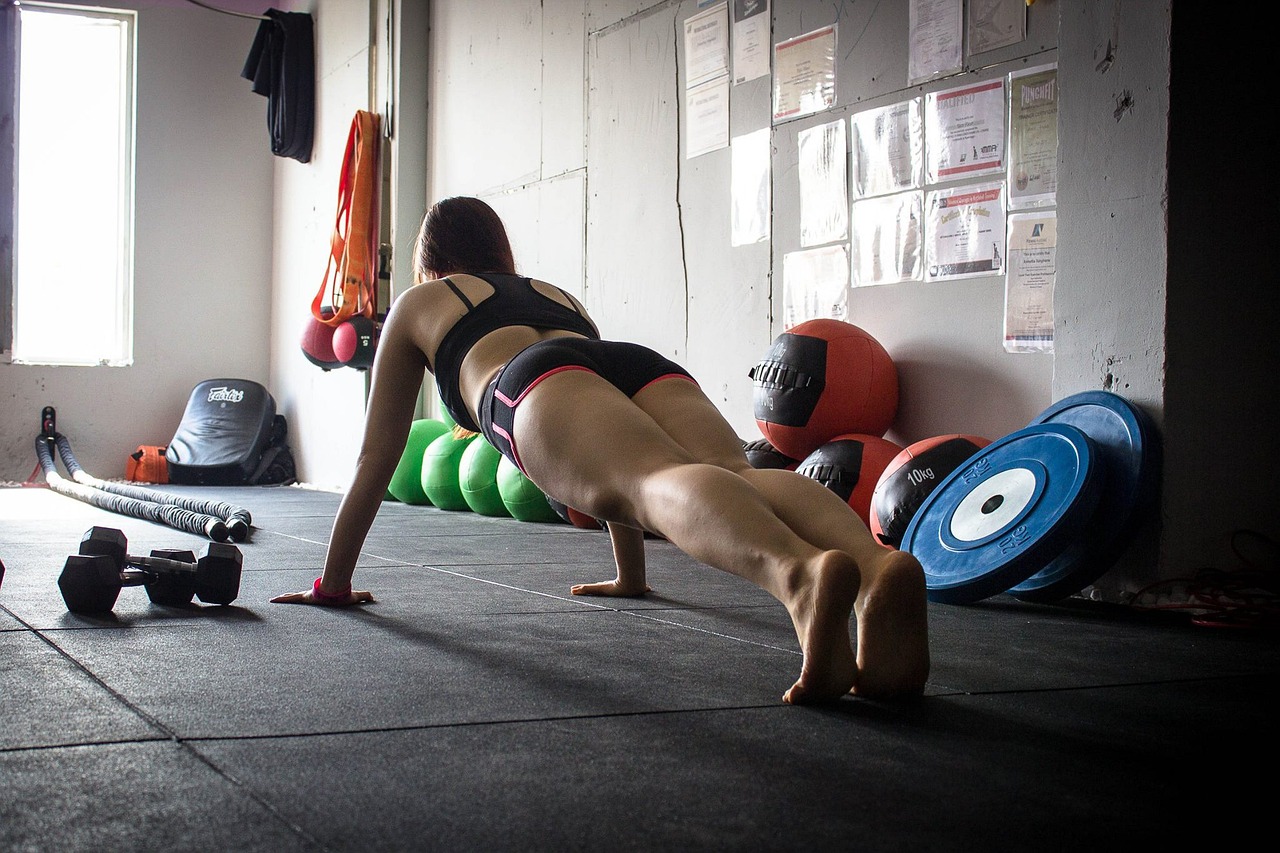
One of the cornerstone exercises for core strength is the plank. Modified versions of the plank, such as side planks and plank rotations, challenge different muscle groups. To perform a traditional plank, start by lying face down on the floor, then raise your body on your forearms and toes, keeping your body straight. Hold this position for 30 to 60 seconds, focusing on breathing steadily. Side planks work the obliques, vital for the rotational movements in tennis. To execute a side plank, lie on one side, supporting yourself with your forearm while raising your body in a straight line. Hold for the same duration. For plank rotations, begin in a standard plank position and rotate your body to one side, reaching your arm upward, thenalternate sides. Incorporating these variations into your routine will engage various core muscles, improving stability and strength. Challenge yourself to gradually increase the duration of each hold as your strength develops. These exercises enhance your endurance, a critical quality needed during long matches, giving you a significant competitive edge.
Another effective exercise for enhancing core stability is the Russian twist. This exercise not only targets the abs but also engages the obliques, which are essential for the twisting movements common in tennis. To perform a Russian twist, sit on the floor with your knees bent and feet flat. Lean back slightly, keeping your back straight. Hold a medicine ball or weight in front of you. Twist your torso to the right, bringing the weight towards your hip on that side, then twist to the left. Maintain control throughout the movements, ensuring your core is engaged. Aim for 10 to 15 repetitions on each side. This drill helps improve your rotational strength, allowing you to generate more power during strokes. Incorporating this exercise into your weekly regimen will allow you to build resilience against rotational forces. Focus on keeping your movements slow and controlled to maximize effectiveness. As you progress, you can increase the weight you use for added difficulty. Consistency with Russian twists will lead to enhanced performance, making your shots more powerful and precise.
Ball Toss for Agility and Stability
In addition to traditional strength exercises, consider incorporating ball toss drills that can improve your coordination and core strength. This exercise can enhance your ability to maintain stability while moving, crucial for the dynamic nature of tennis. To perform the ball toss, stand with your feet shoulder-width apart and hold a small ball in one hand. Start with the ball at eye level, then toss it in the air while simultaneously pivoting your lower body. Catch the ball with the opposite hand. This mimics the quick hand-eye coordination needed during a game. Repeat the toss for several repetitions on each side to build rhythm and timing. Additionally, you can include forward and backward movements while tossing the ball, which demands extra core activation. The unpredictability of catching can also help sharpen your reflexes, providing essential benefits during match play. As your skills improve, try tossing the ball higher or incorporating lateral movements. These adjustments will push your core to stabilize even more, further enhancing your on-court agility and performance.
Another useful drill to enhance core stability is the dead bug exercise. This involves lying on your back while lifting your legs to a 90-degree angle and holding a pair of dumbbells. Keeping your arms extended toward the ceiling, slowly lower one arm and the opposite leg towards the floor while keeping your back flat on the ground. Alternate sides to complete multiple repetitions. This exercise engages the entire core while promoting coordination and balance—skills essential for success in tennis. Focus on controlled movements to ensure your core remains engaged throughout. The dead bug reinforces stability, which directly translates to improved agility during play. Perform three sets of 10 to 15 repetitions for optimal results. You may modify the difficulty as your core strength increases by using heavier weights or adding an element of instability, like a wobble board. Consistency in performing the dead bug will help enhance your overall balance, allowing for quicker adjustments during fast-paced matches. Developing core strength through this exercise will also reduce the likelihood of injuries often caused by quick, jerky movements on the court.
Balance Exercises to Improve Core Control
Incorporating balance exercises can significantly enhance core control and stability, which are vital for tennis. One effective exercise is the single-leg stand. To perform this drill, stand on one leg while lifting the other knee to hip level. Try to maintain your balance for 30 seconds to a minute. Engage your core as you do this to improve coordination and stability. To increase difficulty, you can close your eyes or perform arm movements. This challenges your core further and simulates the imbalance experienced during plays. Perform on both legs to ensure balanced strength. Another excellent exercise is the stability ball roll-out. Start in a kneeling position and place your forearms on the ball. Roll the ball away from your body while keeping your core tight, then roll it back to the starting position. Focus on keeping your body in a straight line throughout. This helps in strengthening the core while promoting control. Incorporating these exercises can lead to better posture and body mechanics during matches. Enhancing your core control will ultimately reflect in improved agility.
Moreover, athletic movements like Mountain Climbers also contribute significantly to core stability and agility on the court. To perform this dynamic exercise, start in a plank position with your hands beneath your shoulders. Bring one knee to your chest, then rapidly switch legs, emphasizing speed while keeping your core tight. This mimics the rapid footwork required in tennis, preparing your body for quick directional changes. It’s integral to ensure you’re maintaining a solid form to maximize core engagement. Aim for intervals of 30 seconds, focusing on maintaining consistent and smooth movements. You’ll not only be strengthening the core, but also enhancing cardiovascular endurance through this exercise. As you progress, try to increase the speed or duration. By consistently incorporating Mountain Climbers into your routine, you’ll notice significant improvement in your agility on the court. Combine this with other core exercises for an effective overall workout. A strong core will give you a competitive edge, helping you stay agile while executing powerful shots. Making these drills a part of your regular training will improve your game immensely.
Finally, incorporating dynamic stretching into your warm-up routine can enhance core stability essential for tennis agility. Focus on stretches that target the abdomen and hip flexors to ensure the core is primed for movement. Examples include deep lunges with a twist, where you lunge forward while keeping your arms raised. This engages the core and prepares it for rotational movements. Additionally, torso rotations while standing can activate the core and enhance your range of motion. Integrating such movements improves flexibility, significantly impacting agility on the court. Ensuring proper flexibility in conjunction with strength training allows for a more efficient movement pattern during play. Take time to perform these stretches before matches to prepare the core for action while enhancing your overall agility. Dynamic stretching improves coordination, which contributes to better movement efficiency while on the court. Furthermore, as you develop your core strength and flexibility, your overall performance will benefit immensely. Strengthening the core serves as a foundation, keeping you agile during intense matches. Prioritizing a combination of strength and flexibility training will ensure you perform at your optimal level throughout your tennis career. Rolls, twists, and lunges can ensure your core remains stable and responsive.