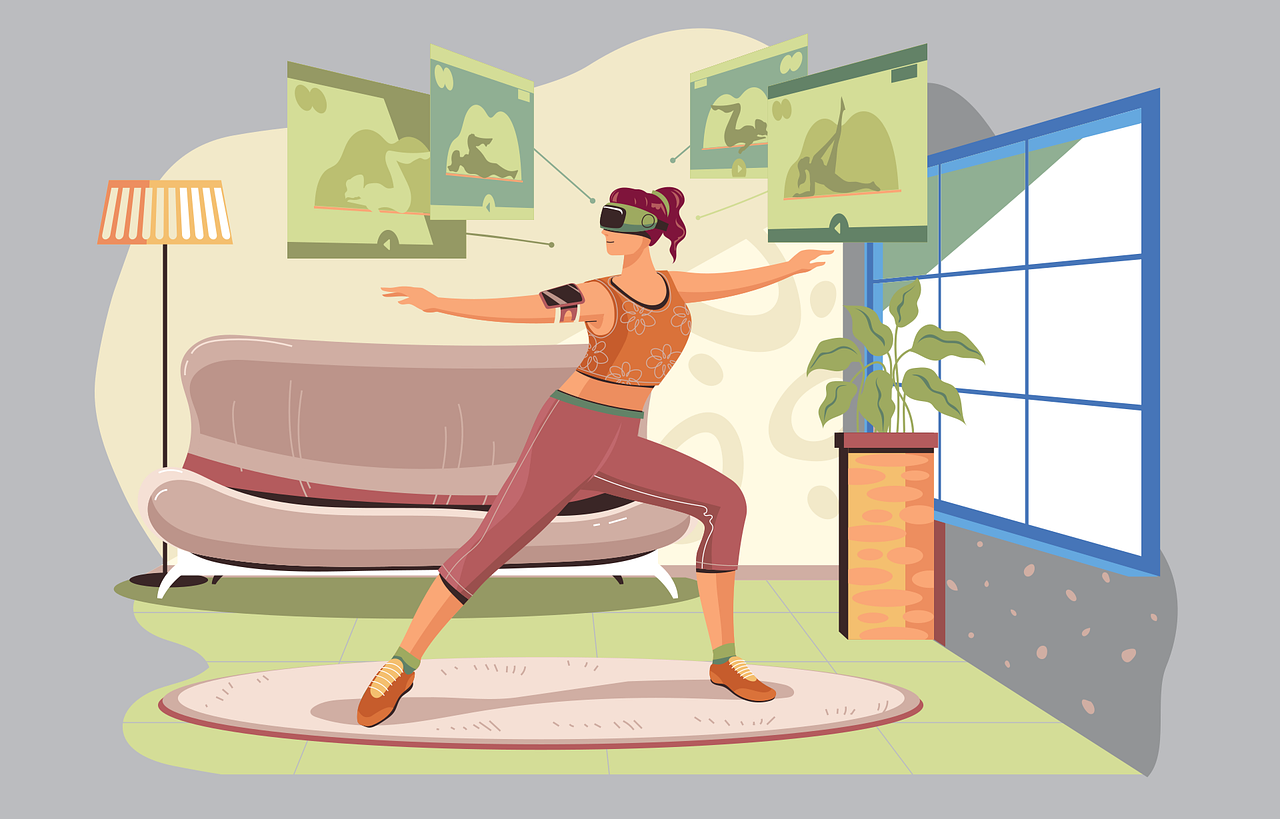

Incorporating Virtual Reality in Balance and Coordination Testing
Balance and coordination are critical components of physical health, impacting daily activities significantly. Recent technological advancements expanded our ability to assess balance using virtual reality (VR). This innovative approach integrates immersive environments, which pose real-world challenges and scenarios. Traditional testing methods, such as the Berg Balance Scale or the Timed Up and Go test, can be limited in scope. Using VR, clinicians can recreate various dynamic settings where patients must respond. This adds a level of engagement that traditional methods may lack. Furthermore, VR assessments can be tailored to individual patients, allowing for progress monitoring over time. Patients may feel more motivated to participate when they experience a simulated environment that resembles real-life situations. Engaging in fun, interactive tasks can also enhance the effectiveness of rehabilitation programs. Over time, effective balance training using VR can lead to improved functional mobility and reduce fall risk. Overall, the use of VR in balance assessments can bridge the gap between clinical evaluation and real-life application.
Traditional methods for balance assessment often lack dynamic feedback related to real-world environments. In contrast, VR systems can provide real-time feedback, allowing for immediate adjustments. This feature enables clinicians to analyze performance comprehensively and adapt interventions accordingly. For instance, if a patient struggles navigating a virtual obstacle course, the clinician can identify specific weaknesses in balance or coordination. Moreover, VR assessments facilitate a safer testing environment compared to physical balance assessments. By virtually simulating potential hazards, patients can practice their responses without the risk of actual falls. VR allows clinicians to focus on training specific movements that improve balance and strength while reducing fall risk. Future developments in VR technology can make these assessments more accessible and affordable. Additionally, by gathering rich data during VR assessments, clinicians can contribute to research, enhancing our understanding of balance disorders. Presently, various studies indicate that patients are highly receptive to VR-based assessments and training. As technology evolves, so too will our ability to deploy these tools effectively in clinical practice.
Advantages of Virtual Reality in Balance Testing
Using VR for balance testing offers numerous advantages over traditional methods. First, the immersive nature of virtual environments allows for realistic scenarios mimicking everyday situations. This can provide patients with the necessary skills to navigate their environments more effectively. Second, VR can minimize the embarrassment some patients feel during physical testing, as they focus on the virtual task rather than on their performance in front of others. Furthermore, clinicians can tailor scenarios in VR based on the patient’s needs, focusing on specific challenges related to their balance deficits. This individualized approach ensures a more effective assessment and rehabilitation process. Additionally, the ability to create engaging activities can lead to increased patient motivation, especially in populations such as the elderly. In conclusion, VR not only enhances the assessment but also improves patient compliance with rehabilitation programs. All these factors contribute to better outcomes in balance training and recovery. By incorporating technology into clinical practice, we can significantly improve patients’ quality of life. Thus, VR represents a promising direction in balance assessment methods.
While integrating VR in clinical balance assessments presents many benefits, certain considerations and challenges must also be addressed. First, the availability of VR technology may vary across clinical settings, limiting its accessibility. Not all clinicians may be equipped with the necessary tools or training to employ these assessments effectively. Additionally, some patients may experience discomfort when using VR systems, which could lead to reluctance in participating. Therefore, it is essential for clinicians to gauge patient comfort during VR sessions. Furthermore, the accuracy of balance assessments in virtual environments should be validated against traditional methods to ensure reliability. As more research is conducted in this area, we can better understand how VR impacts balance assessment efficacy. It is also crucial to develop standardized protocols for using these systems in a clinical setting. This will improve consistency and reliability among practitioners and encourage wider adoption of VR assessments. Gradually, as advancements in technology continue, user-friendly interfaces and cost-effective VR solutions will likely emerge. These developments will enhance user experience and accessibility for patients and clinicians alike.
Future Perspectives on Virtual Reality in Assessments
The future of incorporating virtual reality into balance assessments is promising and multifaceted. With rapid technological advancements, VR systems are becoming more sophisticated, offering enhanced realism and interactivity. As researchers continue to explore innovative ways to integrate gamification into VR assessments, patient engagement will likely increase further. Developing multi-sensory experiences may improve outcomes by providing additional feedback. For instance, incorporating auditory and haptic feedback in VR settings could further enhance the training effect on balance and coordination. Additionally, using artificial intelligence (AI) together with VR can personalize training programs even more efficiently. AI could analyze performance data and adapt scenarios dynamically to suit individual patient profiles. As these technologies converge, clinical applications will continue to evolve. Increased collaboration between tech developers and healthcare professionals will facilitate the refinement of these systems, thereby enhancing their clinical relevance. As we move forward, ongoing research will be crucial in identifying best practices for VR use in balance assessments and rehabilitation programs. The ultimate goal will remain the same: to improve outcomes, increase patient engagement, and provide safer methods for balance and coordination training.
In adopting new technologies like virtual reality, healthcare practitioners must also prioritize evidence-based practices. Rigorous studies evaluating the effectiveness of VR in clinical settings are essential for establishing its long-term viability in balance assessments. Published research will guide practitioners in implementing these tools more effectively within treatment protocols. This assurance of efficacy will promote wider acceptance among healthcare professionals. The importance of data management and storage in VR assessments should not be overlooked either. Secure data storage solutions for recording patient progress within VR applications are vital for maintaining patient confidentiality and meeting regulatory standards. Additionally, the tracking of outcomes will allow healthcare providers to refine treatment plans continually. Educational initiatives aimed at training clinicians on VR technology best practices can further improve adoption rates. By creating a culture of continuous learning, the integration of innovative tools can occur more seamlessly. In summary, incorporating virtual reality in balance assessment methods has transformative potential. Through careful consideration of needs, technological advancements, and a focus on evidence-based practice, we can ensure that VR serves as a critical tool in improving patient care.
Conclusion on Virtual Reality in Balance and Coordination
In conclusion, the incorporation of virtual reality into balance assessment methods represents a significant advancement in evaluating and improving patient outcomes. Offering immersive experiences facilitates authentic testing scenarios that mimic real-life situations effectively. Patients benefit from increased engagement, motivation, and tailored training programs designed to enhance their balance and coordination skills. However, addressing challenges related to accessibility, comfort, and standardization remains crucial to ensure successful implementation. The future looks bright, with advancements in technology promising higher levels of accuracy and personalization in assessments. The integration of AI techniques will further refine personalized treatment options, ultimately leading to improved care. Clinicians must prioritize evidence-based methodologies to substantiate the effectiveness of VR in clinical environments. Collaborations among healthcare providers and technology developers will foster an environment of innovation, driving progress in effective balance assessments. Ultimately, this will impact patient outcomes positively, reducing fall risks and enhancing quality of life. As the research continues and perspectives shift, the clinical world should embrace these technological innovations to improve balance and coordination assessment practices effectively.