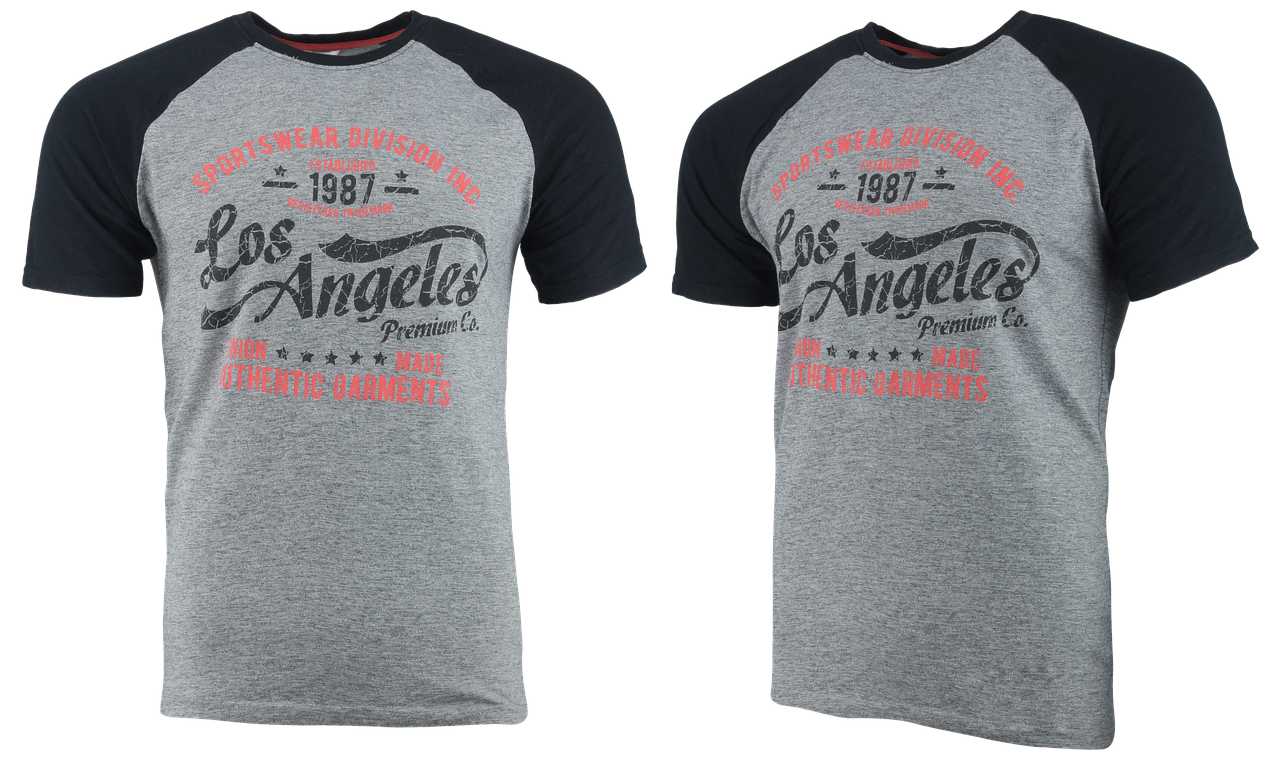

Materials Used in Ergonomic Sports Clothing for Maximum Comfort
When it comes to ergonomic sports clothing, choosing the right materials plays a vital role in enhancing comfort and performance. Modern manufacturers leverage various fabrics to ensure garments not only fit well but also support the body’s natural movements. Cotton is often the preferred fabric for many due to its breathability and softness, making it an ideal choice for everyday wear. Additionally, polyester is widely used because it dries quickly, wicking sweat away from the body. This feature helps keep athletes comfortable during physical activities, as moisture can lead to chafing and discomfort. Furthermore, blends of cotton and polyester are available that combine the best attributes of both fabrics. Spandex or elastane provides essential stretch, supporting ease of movement while ensuring that clothing maintains its shape. Another innovative material, merino wool, is gaining popularity in sportswear for its temperature-regulating properties, ensuring optimal comfort in varying temperatures. The use of these materials, coupled with ergonomic design, significantly enhances the overall experience for wearers, promoting better performance and satisfaction.
Benefits of Breathable Fabrics
Breathable fabrics are crucial in the realm of ergonomic sports clothing, providing essential ventilation during physical activities. These materials allow air circulation, helping to regulate body temperature and moisture, which is integral for maintaining comfort. For active individuals, encountering discomfort from perspiration build-up can hinder performance. Fabrics like mesh enhance breathability, offering structures with ventilation holes that facilitate airflow. Moreover, moisture-wicking fabrics made from synthetic fibers draw sweat away from the skin’s surface, allowing it to evaporate quickly. This evaporation process is essential for keeping the body cool during strenuous workouts. In addition to sweat management, breathable fabrics support enhanced freedom of movement, allowing athletes to perform unimpeded. Another benefit is that these fabrics are often lightweight, contributing further to comfort. A lightweight garment reduces the feeling of bulk during exercise. As individuals engage in various sports, having the right breathable gear can significantly impact their experience and performance by improving focus and reducing distractions caused by discomfort.
In addition to breathability, ergonomic sports clothing requires materials that offer durability and resilience. Athletes need to consider products that withstand wear and tear while maintaining their shape and display quality over time. Fabrics like nylon are recognized for their robustness, often being rip-resistant and able to endure rigorous training sessions. Additionally, incorporating reinforced seams in the design enhances the lifespan of the garment, as these areas are typically subject to more stress. Certain synthetic blends can combine the durability of nylon with moisture-wicking capabilities, providing a well-rounded solution for energetic workouts. Another essential aspect is the fabric’s ability to resist fading and shrinkage, which contributes to long-lasting appeal. When athletes invest in ergonomic clothing, they seek assurance that their apparel will last, ensuring comfort and performance through countless sessions. Thus, manufacturers focus on developing advanced fabric technologies that meet athletic demands while offering style and functionality. For these reasons, selecting the right materials is crucial in the quest for optimum comfort in sports apparel.
Innovative Technology in Ergonomic Materials
Innovations within the field of textile technology have significantly influenced ergonomic sports clothing. Companies continuously research and develop advanced materials that enhance performance and comfort through unique properties. One such innovation is the introduction of 3D-knitted fabrics, which provide a seamless fit and additional stretch where needed, reducing irritation points during movement. These fabrics adapt to body contours, promoting better alignment during activities. Another burgeoning trend is the use of phase change materials (PCMs), capable of regulating body temperature by absorbing, storing, and releasing heat as needed. This quality helps to keep athletes comfortable regardless of changing weather conditions. Additionally, the incorporation of antimicrobial treatments within fabrics aids in odor control, ensuring that garments remain fresher for longer periods. Many brands are now also utilizing recycled materials in their production processes, thus echoing a commitment to sustainability while simultaneously providing high-quality performance textiles. This focus on innovative materials and technology is vital in addressing modern athletes’ needs, helping them achieve optimum results, and ensuring each workout is as comfortable as possible.
The right fit is another critical factor in ergonomic sports clothing, as it directly impacts how materials function during physical activities. A well-fitted garment allows for unrestricted movement, reducing the risk of injury while enhancing performance. Technical garments designed specifically for particular sports can significantly improve overall experience. For instance, compression garments utilize tight-fitting materials to support blood circulation and muscle recovery, aiding athletes during and after exercise. Fit can significantly influence thermal regulation, as tight clothing may trap heat while looser styles can enhance airflow. Many brands provide fitting guides alongside sizing charts to ensure consumers choose the best option for their specific body shape and sport type. Additionally, it’s essential for ergonomic clothing to allow enough room for layering if needed, particularly for outdoor activities where temperatures can fluctuate. Achieving the perfect balance between comfort, fit, and functionality is instrumental in the overall effectiveness of sports apparel. Individual preferences among athletes can vary widely, creating a need for diverse designs to meet varying physical requirements.
Choosing the Right Footwear
Just as crucial as clothing, ergonomic footwear significantly enhances athletic comfort and performance. When selecting sports shoes, factors such as cushioning, support, and flexibility play pivotal roles. Running shoes typically offer significant cushioning to absorb impact, reducing fatigue on joints over prolonged sessions. They also feature arch support tailored to the foot’s unique anatomy, which is necessary to maintain alignment and prevent injuries. Lightweight materials often characterize ergonomic footwear, improving mobility and reducing the energy expenditure required for each move. Moreover, technology such as gel inserts or air units can provide additional comfort and responsiveness, adapting to various surfaces whether on tracks or trails. Breathable materials such as mesh are commonplace in shoe construction, facilitating ventilation throughout the foot. An ergonomic shoe should enable a natural gait while delivering proper traction, essential for stability during physical activity. Athletes need to understand their specific needs and foot characteristics to make informed choices about the footwear that best supports their performance aspirations. Investing in high-quality ergonomic footwear will ultimately contribute to overall athletic success.
Ultimately, the search for ergonomic sports clothing and footwear revolves around achieving maximum comfort without compromising on functionality. With varying preferences and needs, athletes should explore numerous options available in the market. Understanding different fabric properties, design innovations, and the importance of fit can simplify the selection process. Many reputable brands offer specialized lines focused on ergonomic principles, making it easier for consumers to identify products that align with their performance goals. Reviewing customer feedback and product specifications can also serve as a guide in making informed choices. An increasing number of brands now emphasize sustainability in their production strategies, presenting eco-friendly alternatives that fulfill ergonomic requirements. Comfort extends beyond materials; it encompasses a holistic approach that takes into consideration fit, durability, and technological innovations. Therefore, as this field continues to evolve, athletes are encouraged to remain informed about the latest trends and advancements. Embracing high-quality ergonomic clothing and footwear ultimately leads to enhanced performance, improved well-being, and an enjoyable sports experience.

In conclusion, understanding the materials used in ergonomic sports clothing is essential for enhancing comfort and performance levels. All aspects of design, from breathability, durability to innovative technologies, contribute to the wearer’s experience. By choosing wisely, athletes can achieve optimal outcomes in their physical endeavors. With the increasing emphasis on ergonomics in sports, brands are motivated to invest in research and development, ensuring users have access to products tailored to their specific needs. Therefore, it becomes increasingly important for buyers to remain informed about material choices, fit options, and associated technologies. Additionally, exploring eco-friendly options can augment the overall experience while supporting sustainability. Athletes who prioritize their comfort by selecting ergonomic clothing are likely to notice improved performance and reduced fatigue during activities. It’s essential to evaluate developments in this field continuously to identify the best options available. As trends evolve, consumers should adapt to industry changes to benefit from new advancements and enhanced comfort features. By prioritizing ergonomics, athletes can enjoy more fulfilling and productive sporting experiences.