
Survival Fishing Techniques in the Wilderness
When you’re in the wilderness, survival fishing becomes a vital skill for obtaining food. Understanding various techniques simplifies your fishing experience greatly. You can choose different methods based on the available resources and surroundings. First, you need a good fishing location, where visibility and the flow of water are favorable. Look for areas with underwater structures like rocks and logs, as these attract fish. Before you start fishing, gather necessary materials like fishing lines, hooks, and appropriate bait. The bait can vary, including worms, insects, or even artificial lures, depending on what fish species are available. Learning to fish with minimal gear is essential. This includes using improvised spears or creating a fishing rod from local materials like branches. Make sure to observe local fish habits: they usually feed during dawn and dusk. Timing your fishing efforts with these periods greatly increases your chances. In the wilderness, patience is essential, as fish may not always bite immediately. Remember to respect fishing regulations wherever applicable, to maintain ecological balance and sustainability. Always ensure the long-term health of aquatic ecosystems while practicing survival fishing techniques with care.
Essential Gear for Survival Fishing
Your primary tool for survival fishing is a solid fishing line. Selecting the correct line type ensures durability and functionality. Monofilament lines are often a good choice due to their strength; they are more resistant to abrasion. Alongside the line, having a variety of hooks is crucial. Depending on the size of fish in the area, using hooks ranging from size 6 to 12 is beneficial. You’ll also need a selection of weights to keep your bait submerged, enabling optimal fishing success. These can be made from stones or other materials if traditional weights aren’t available. Additionally, employing a bobber or float allows you to monitor when a fish is attempting to take your bait. Many survivalists also recommend carrying a multi-tool for various applications. This tool can assist in preparing bait, making repairs, and cutting lines. Finally, don’t overlook the need for a good storage system. A waterproof bag can protect your gear from the elements. Regularly maintaining these items ensures efficient fishing while in the wilderness, significantly improving your ability to feed yourself and allowing for a successful survival experience.
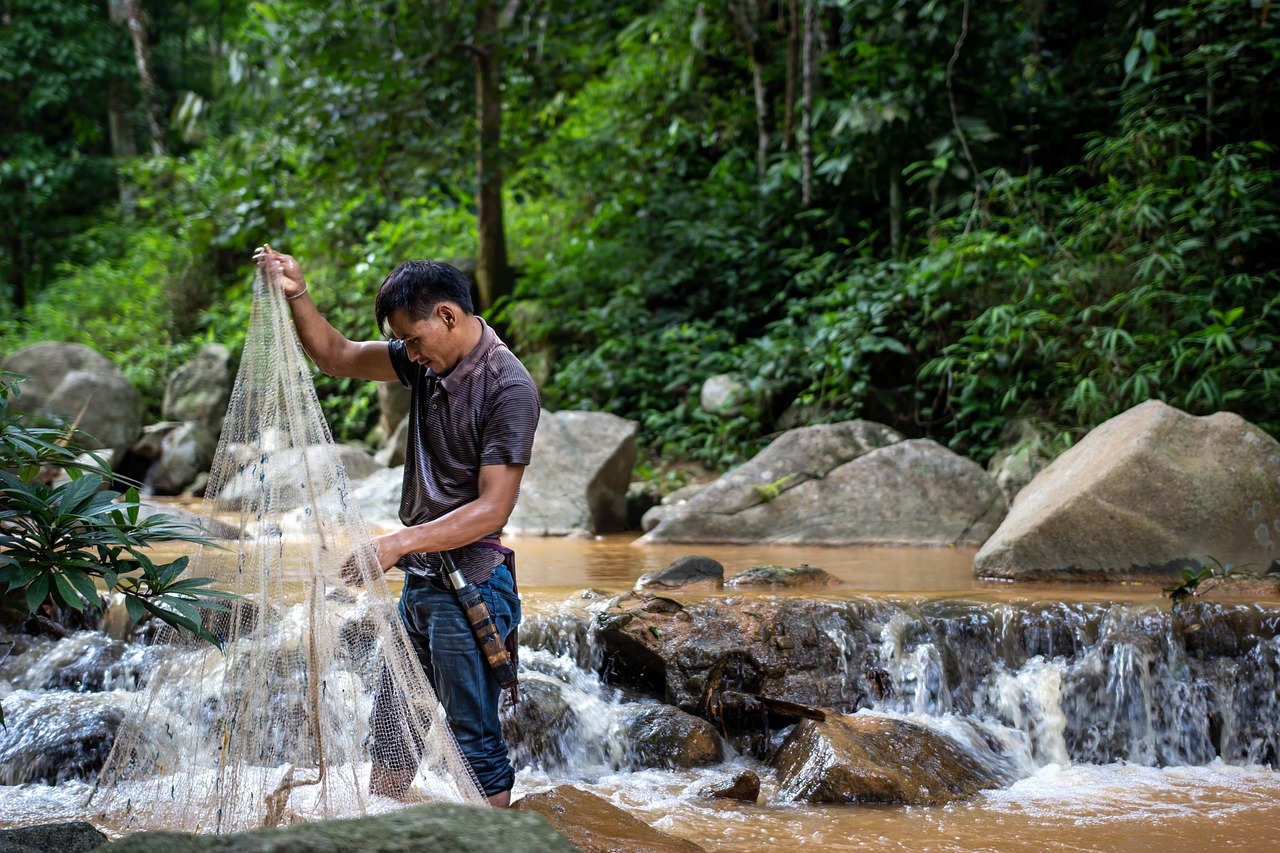
Another effective method for catching fish is through nets. If you’re in an area with shallow waters, utilizing a fishing net can significantly increase your catch rate. Many adventurers prefer making their own nets from available natural materials or purchasing lightweight nylon options beforehand. Ensure your net has a fine mesh to prevent smaller fish from escaping. Additionally, constructing a trap can provide passive fishing opportunities. By making fish traps from sticks and stones, you can lure fish into them effectively without constant attention. When baiting traps, consider using items with strong scents, like rotten fish or flesh. While setting traps, choose strategic locations, especially where fish are likely to swim, such as estuaries or inlets. hourly checks on your traps will help ensure you catch fish without allowing them to escape. Other techniques include using a spear when fishing in shallow waters, requiring precision and skill. Given the thrill involved, spearfishing can be challenging but rewarding. Consider training in this method before you rely solely on it. Mastering various fishing techniques vastly enhances your chances of survival when venturing into the wilderness, allowing for a dynamic approach to securing food.
Understanding Fish Behavior
Learning about fish behavior is key to successful fishing. Fish respond to numerous environmental factors such as water temperature and light levels. Warmer waters typically see increased fish activity, especially during the early morning and late afternoon. Learning to read these signs helps in optimizing your fishing time. High water clarity could mean that fish are more cautious; in contrast, murkier waters can lead to more active feeding sessions. Apart from temperature, consider weather changes: during overcast days, many fish will swim closer to the surface. Approaches focused on understanding fish schools can also reveal patterns. Different species hunt and gather in schools, requiring knowledge of where to cast your line. Additionally, various species exhibit unique feeding behavior, so identify the kind of fish you are targeting. This includes understanding what lures or bait best attract them. Use this information to adapt your techniques accordingly for increased success. Overall, paying closer attention to environmental cues will significantly impact your survival fishing techniques, ensuring you maximize efforts while minimizing time spent waiting for a catch in the wilderness.
Once you have successfully caught fish, you must know how to prepare and cook them safely in the wilderness. Begin with gutting the fish, which involves removing internal organs to prevent spoilage. A sharp tool or knife is ideal for this task; clean cuts keep meat intact. After gutting, rinse the fish in clean water to eliminate residual blood or organs. Once prepared, cooking can occur over an open fire. Ensure that you have a method of making fire, either through natural kindling or a portable stove. Cooking fish fully is essential to kill any potential parasites or pathogens. Grilling or roasting over an open flame adds exceptional flavor to the meat. Alternatively, lodging the fish in hot coals creates a smoky essence that enhances taste. Don’t forget that eating raw fish can introduce potential health risks. If there aren’t cooking options available, storage techniques like smoking or drying should be considered for longer preservation. These methods allow food to be stored effectively while minimizing spoilage, leading to a more sustainable approach when living off the land in survival scenarios.
Safety Considerations in Survival Fishing
Survival fishing in the wilderness must prioritize safety at all times. Avoid relying on only one fishing method — diversify techniques for better outcomes. Be aware of local wildlife and navigation hazards that can pose threats when fishing. Ensure you identify poisonous species in the area to avoid consuming toxic fish. Always have a plan for emergencies, whether it’s an injury or losing gear. Understanding where to find clean drinking water is paramount, especially if faced with a fishing failure. Along with fishing essentials, also pack a first-aid kit for unforeseen accidents. It provides necessary tools and supplies to handle minor injuries. When cooking, exercise caution to manage fire correctly. Before building a fire, check local regulations and surrounding weather conditions. Building a fire safely prevents wildfires and potential accidents. After fishing safely, staying hydrated is vital, especially when exerting energy outdoors. Apprehend the importance of balancing exertion with hydration. Taking the time to plan and prepare can significantly improve your overall survival fishing experience, ensuring you remain safe while enhancing the skills necessary for living in the wilderness successfully.
In conclusion, mastering survival fishing techniques can greatly enhance your wilderness experience and improve your chances of survival. An understanding of bait selection, gear preparation, and ethical fishing practices leads to a successful outcome. Remember to respect the local ecosystem as you fish, ensuring fish populations remain sustainable for the future. While it’s essential to be skilled in these techniques, also view fishing as a part of a bigger wilderness survival skill set. Incorporate fishing with foraging, shelter-building, and fire-starting techniques to prepare for unexpected situations. Aim to build experience and practice these skills in a safe environment before heading into more challenging conditions. Joining workshops or survival courses can provide hands-on experiences invaluable to mastering survival skills. As you refine your fishing methods, focus on learning from each experience, as each trip can offer valuable insights into practical improvements. Continue to explore various possibilities for fishing and learn about different aquatic systems. Remember that connecting with nature enhances your overall survival experience, so embrace every opportunity. The more prepared you are, the more equipped you will be to thrive in the wilderness.
Ultimately, survival fishing is about adopting a mindset ready to learn and adapt. Don’t just rely on equipment; tap into your resourcefulness and creativity. As you venture into wilderness survival, encourage a lifelong pursuit of knowledge. Learn from each season and habitat you explore, approaching each fishing expedition with curiosity. Incorporating local fishing traditions and techniques, passed down through generations, enriches your connection with nature. Share your experiences with fellow adventurers, fostering a community of learning and cooperation. Thus, survival fishing embodies not just a means of sustenance, but cultivating relationships with the environment that sustain us all. With practice and passion, you can develop successful fishing habits, increasing your chances of survival when it’s crucial. Try new techniques and be open to adjusting them based on what the wilderness provides. Trusting your instincts and being observant will ultimately guide you in becoming an adept survivor, ready to face nature’s challenges. This approach to fishing is reflective of the broader journey of survival, emphasizing resilience, adaptability, and resourcefulness. No matter where your adventure leads, may your experiences in survival fishing equip you with valuable skills for life.