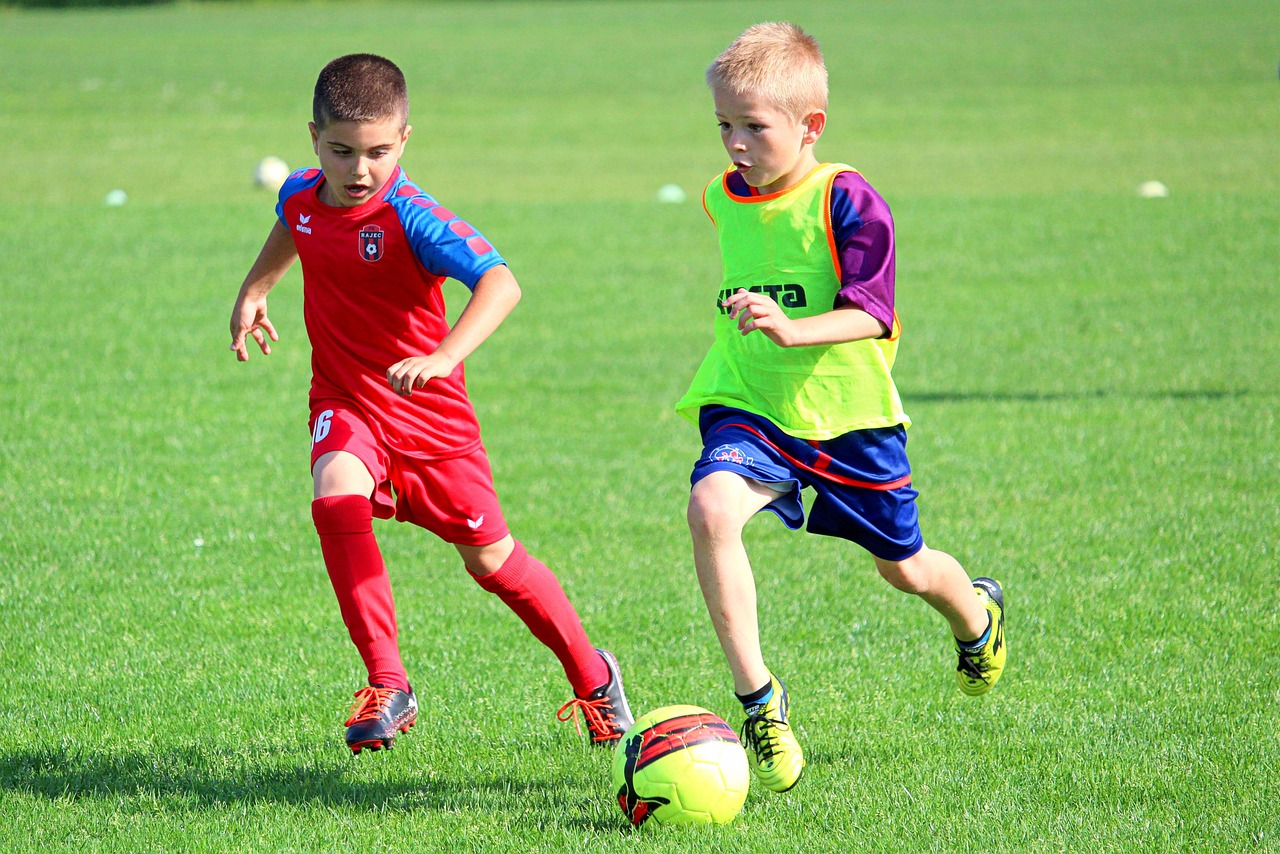

Fair Play in Amateur vs. Professional Sports
Fair play is a fundamental principle that governs all types of sports, promoting respect, integrity, and positive competition. In amateur sports, the emphasis is often on participation, enjoyment, and personal development. Athletes engage in competitions driven by passion, rather than financial gain. This environment fosters camaraderie and unity among players, encouraging them to support each other both on and off the field. However, professionalism alters this landscape significantly. When athletes transition to professional sports, the dynamics shift towards high stakes and extensive media coverage, overshadowing the core values of sportsmanship. Financial incentives can lead to ethical dilemmas, pushing athletes to compromise fair play. Nevertheless, many professional athletes strive to maintain integrity, earning respect through principled conduct. Balancing personal ambition and ethical responsibility remains a perpetual challenge in both settings. Amateur sports promote vital life skills while professional sports inspires numerous individuals globally. Understanding these differences is crucial in emphasizing the importance of sportsmanship across all platforms. The evolving nature of sports requires continuous reflection on values, ensuring fair competition prevails regardless of the level of play. Ultimately, integrity in sports cultivation enhances the overall sports experience.
Fostering sportsmanship starts with effective coaching and mentorship. Coaches play a pivotal role in shaping the attitudes of athletes, regardless of their competitive level. They instill the principles of respect, teamwork, and fair play by modeling appropriate behaviors. Therefore, coaches should emphasize sportsmanship during not only training sessions but also during matches and interactions with referees and opponents. Additionally, organizations at all levels must promote educational programs centered on ethics. For example, workshops and seminars could discuss issues surrounding sportsmanship, touching on historical cases where integrity shined as a beacon of hope. Furthermore, involving parents and community members enhances the sportsmanship narrative. Parents who exhibit positive sports behavior serve as role models that influence young athletes’ actions. This creates an environment where good sportsmanship thrives. Professional leagues have also adopted various initiatives to uphold fair play, including conduct guidelines and social responsibility campaigns. By fostering a diligent view of sportsmanship, every challenge can become an opportunity for growth. Ethical gameplay can transcend both amateur and professional sectors, creating a transformative impact on youth development and overall societal attitudes. In conclusion, nurturing morals can advance our collective pursuit of excellence in sports.
The Consequences of Unsportsmanlike Behavior
Unsportsmanlike behavior can have grave consequences for both individuals and the sports community. When athletes fail to adhere to the principles of fair play, they risk their reputations and the integrity of their respective sports. Instances of poor conduct, such as cheating or showing disrespect, can lead to severe penalties, including suspensions and financial ramifications. These outcomes not only affect the athletes, but also their teams, sponsors, and fans. The ripple effect of one unsportsmanlike act can tarnish the image of a sport, leading to diminished trust among stakeholders. Moreover, misconduct examples can discourage participation in grassroots and youth programs. There is risk of discouraging young athletes who perceive harmful behavior as the norm. To combat this audacious trend, it becomes crucial for governing bodies to enforce strict rules and provide educative resources that promote sportsmanship. Encouraging open dialogue helps build a culture of accountability and respect within the sporting world. More awareness and rigorous policy implementation allows stakeholders to uphold the essential values of competition. Ultimately, we must protect sports from corruption, upholding ethics as paramount to preserving the spirit of competition for generations to come.
Respect serves as a cornerstone in fair play, influencing all aspects of sportsmanship. Athletes need to respect not only their opponents but also coaches, officials, and fans. This mutual respect fosters an uplifting environment, encouraging athletes to play at their best. In addition, acknowledging officiating decisions and celebrating opponents’ skills, even in defeat, illustrates vital sports ethics. It extends beyond winning and losing, allowing players to uphold character. Respect within the game exemplifies essential values that are mirrored throughout life, leading to improved interpersonal relationships and understanding. Professional sports arenas often showcase athletes displaying respect under pressure, further inspiring fans and aspiring athletes. Conversely, lack of respect manifests as detrimental behavior. Disharmony and disruptive interactions tarnish reputations and can result in severe legal implications. Emphasizing respect vastly improves sportsmanship, creating a positive atmosphere for everyone involved. Integrating respect into training and skill development, rather than focusing solely on athletic talent, contributes to well-rounded individuals. Coaches and players need to participate in discussions regarding respect, thereby reinforcing its significance through consistent practice. In cultivating respect, we pave the way for future generations to embrace fair play, making them champions in and out of the sports arena.
The Role of Education in Promoting Fair Play
Education plays a vital role in promoting fair play at all levels of sports. Parents, coaches, and administrative bodies should focus on instilling ethical values into aspiring athletes from a young age. By creating curriculum and activities centered on sportsmanship, they can emphasize its importance in both competitive and recreational settings. Workshops designed to include scenarios on ethical dilemmas can significantly enhance athletes’ decision-making skills. Schools and community organizations must devise strategies to integrate sports ethics into educational programs consistently. Children who absorb these concepts early develop a strong foundation based on integrity and respect, which becomes evident in their competitive engagements later in life. Furthermore, partnerships between schools and sports organizations can lead to unique programs that address the complexities of sportsmanship while providing support. Social networks and digital resources can also enhance the reach of educational initiatives around fair play, minimizing barriers related to accessibility. Involving high-profile athletes in campaigns advocating for fair play provides additional credibility. These individuals serve as role models, inspiring younger generations to embrace core values. Collectively, education and collaboration serve to enhance sportsmanship’s relevance, creating a community that values fair play above all else.
To summarize, fair play is essential in both amateur and professional sports. It influences the overall experience for athletes, coaches, and fans alike. While amateur sports often prioritize enjoyment and personal growth, professional sports can present more ethical dilemmas due to financial stakes. Understanding these dynamics allows stakeholders to appreciate the significance of maintaining integrity at all levels. Athletes must commit to embodying principles of respect and sportsmanship amidst intense competition. Moreover, coaches and officials have a responsibility to foster an environment centered on ethics, demonstrating the value of fair play as they guide their teams. Together, they can inspire a generation of athletes to uphold these principles. Emphasizing the importance of education further solidifies the fundamental ethics present in sports. Mentorship, guidance, and well-structured programs engage young athletes in their pursuit of excellence. Alternative support from the sports community reinforces these ideas, creating pathways to understanding the importance of fair play. Ultimately, a commitment to ethical behavior allows sports to be a source of inspiration and unity, bridging gaps between individuals and communities. By investing in ethical sports culture, we can ensure that both amateur and professional competitions remain transformative experiences.
The Future of Sportsmanship and Fair Play
The future of sportsmanship and fair play hinges upon our collective commitment to uphold these values across all levels of competition. With technology advancing rapidly, new opportunities to engage and educate athletes emerge, impacting how we foster ethics in sports. Social media platforms offer innovative ways to promote positive examples of fair play, amplifying the global message. It is, therefore, vital for organizations to utilize these tools effectively, showcasing stories that inspire and resonate. Furthermore, as sports evolve, greater diversity and inclusion frameworks must be integrated into competitive strategies. This approach helps ensure that every athlete, regardless of background, experiences an equitable environment that prioritizes respect and collaboration. Addressing systemic inequalities within sports organizations demonstrates a commitment to examining internal policies critically. By fostering an inclusive climate, we ensure everyone is valued, further promoting fair play. As society encourages us to engage in open conversations about sports ethics, stakeholders are empowered to advocate for meaningful changes. Lastly, collaborative efforts among governing bodies, educational institutions, and civic organizations will be crucial. This collective impact holds the potential to revolutionize the future of sports, ensuring the spirit of competition thrives through integrity and respect.
In conclusion, the vital importance of sportsmanship and fair play cannot be overstated. As we navigate through amateur and professional sports, the distinctions in attitudes and behaviors become clear. Amateurs often embrace the spirit of competition rooted in passion and camaraderie, while professionals increasingly encounter ethical dilemmas impacted by institutional pressures. Nevertheless, both spheres can learn from each other. By promoting core values such as respect, honesty, and mutual support, we can facilitate an environment where sportsmanship flourishes. Coaches, officials, and community members all hold responsibilities to model ethical behaviors. Education plays a pivotal role in nurturing these principles, ensuring that athletes grow into respectful and competitive individuals. Furthermore, combating unsportsmanlike conduct requires a united approach, involving stakeholders at all levels. As the boundaries of sports continue to evolve, sustaining discourse around these values is essential. Collectively championing fair play ensures that the integrity of the game remains intact, inspiring futures where all individuals can thrive as athletes and community members. Sports may serve as a powerful catalyst for building character and fostering relationships, transforming people’s lives through shared experiences. By reinforcing sports ethics, we secure a promising future for generations to come.