
Snowshoeing for Weight Loss: Effective Workouts on Snow
Snowshoeing is an excellent outdoor adventure sport that combines the beauty of nature with effective cardiovascular workouts. This unique activity offers a fantastic way to shed pounds, boost endurance, and strengthen various muscle groups. Engaging in snowshoeing can burn more calories than traditional walking, primarily because it involves lifting your legs through deep snow. The resistance provided by the snow challenges your body while reducing stress on your joints, making it perfect for individuals of all fitness levels. Depending on the intensity and pace, snowshoeing can facilitate a high-calorie burn, making it a fruitful option for weight loss efforts. Furthermore, snowshoeing also promotes heart health as it increases your heart rate, contributing to enhanced cardiovascular fitness. It encourages outdoor exploration, allowing you to enjoy the scenic winter landscapes while working towards your fitness goals. To maximize your workout, consider varying your routes and speeds. You can also incorporate interval training by switching from a moderate to a vigorous pace. The beautiful winter weather enhances the entire experience, providing motivation and enjoyment to your workout routine.
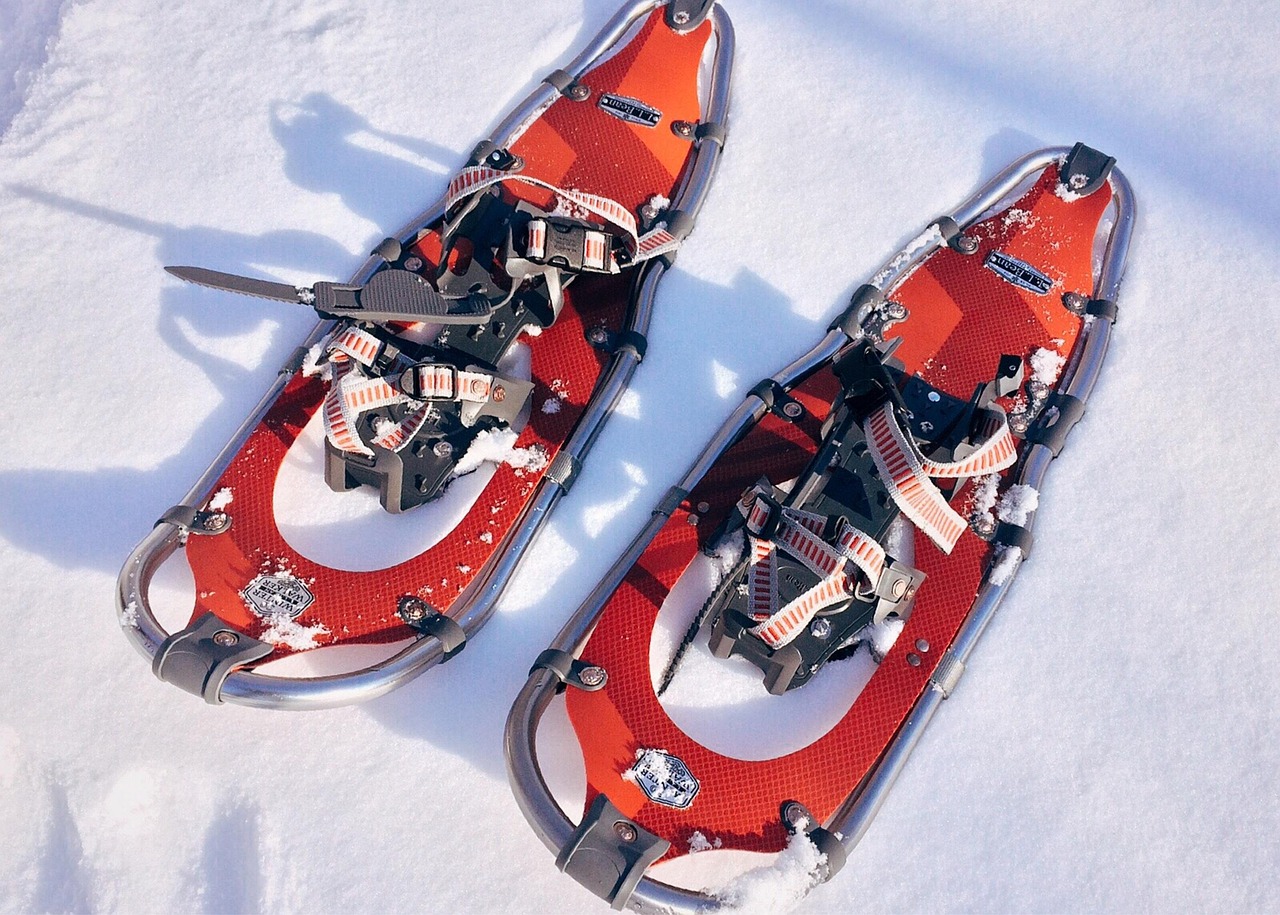
Before embarking on a snowshoeing workout, it is crucial to prepare adequately. Proper gear enhances your overall performance and protects you against the elements. Start with well-fitted snowshoes suitable for different snow conditions; lightweight and durable options provide the best experience. Layering your clothing allows for temperature regulation; breathable fabrics prevent moisture buildup. Don’t forget to wear sufficient waterproof socks and comfortable winter boots to keep your feet warm and dry. Furthermore, consider wearing gloves and a hat to maintain body heat and protect extremities from frostbite. Accessories like trekking poles can greatly improve your stability and balance. As you snowshoe, these poles assist in providing momentum, helping you engage more upper body muscles. Remember to hydrate consistently, even in colder temperatures, as dehydration can occur without realizing it. Finally, choose trails ranging from beginner to advanced levels based on your fitness level and confidence. Gradually increase the duration of your snowshoeing workouts, allowing your body to adapt and build strength, endurance, flexibility. Embrace the winter landscape and enjoy the experience of exercising outdoors as you work towards your weight loss goals.
Caloric Burn and Weight Loss
One of the standout benefits of snowshoeing is its impressive caloric burn potential. An hour of snowshoeing can burn somewhere between 400 to 1,000 calories, depending on factors such as your weight, intensity, and snow conditions. Higher intensity workouts, characterized by faster pace or variable terrain, increase caloric expenditure significantly. For instance, engaging in vigorous snowshoeing up hilly trails enhances muscle engagement while elevating your heart rate. Regular sessions contribute to a negative caloric balance, promoting weight loss over time. To optimize your fat-burning potential, maintain a consistent workout schedule, targeting at least three sessions weekly. Pair your snowshoe workouts with a well-balanced diet to create a sustainable approach to weight loss. Foods high in fiber, protein, and healthy fats can fuel your body efficiently. This combination fosters better recoveries, both after workouts and during your experience outdoors, thereby enhancing the effectiveness of each session. Make sure to monitor your progress and reassess your goals to ensure that you remain on track while enjoying every moment spent outdoors. Overall, snowshoeing provides a fun and effective way to achieve weight loss goals this winter.
In addition to burns calories, snowshoeing offers numerous health benefits that contribute to overall wellness. Regular exercise significantly boosts physical and mental health, reducing the risk of chronic diseases like hypertension, diabetes, and heart disease. Furthermore, spending time outdoors in nature promotes mental well-being, reducing stress and anxiety levels. The tranquil winter landscapes provide a serene environment, benefiting your mood as you engage in physical activity. Snowshoeing also fosters social interaction, as you can enjoy this activity with friends or family, creating memorable bonding experiences. Group snowshoeing excursions can offer motivation and accountability, encouraging participants to push their limits. Additionally, bilateral movements strengthen both sides of the body equally, reducing imbalances and enhancing coordination. The resistance posed by the snow also tones the muscles of the legs, hips, and core, leading to improved muscle strength as you progress. By integrating snowshoeing into your exercise routine, you’re not only achieving weight loss but gaining a comprehensive fitness regimen that promotes heart health, muscle toning, and overall wellness. Seize the opportunity to experience these benefits every time you set out on your snowshoeing adventures!
Winter Safety Tips
While snowshoeing provides a range of benefits, safety precautions are essential to protect yourself from potential hazards. Always check weather forecasts before heading out to avoid treacherous conditions. Understanding the terrain adds to your preparation by ensuring that you’re aware of any challenges on your chosen route. Preparing yourself for a variety of weather is crucial; winter storms can arise quickly, so be equipped with emergency supplies such as a map, compass, or GPS device. Ensure you know basic first aid measures in case of accidents or injuries. If you’re heading into backcountry areas, consider bringing a partner or group for additional safety. It’s also advisable to inform someone about your planned route and expected return time. Make use of trails designated for snowshoeing since they may be safer compared to unmarked paths. Adequate warm-up before your workout is vital to prevent injuries, as well as cooling down to maintain muscle flexibility. Listen to your body, taking breaks if necessary, and pacing yourself is crucial to avoiding exhaustion and maximizing the enjoyment of your adventure. Safety should always come first, ensuring you have an enjoyable and healthy experience.
Nutrition plays an integral role in supporting your snowshoeing activities and overall weight loss journey. Maintaining adequate nutrition helps sustain your energy levels during workouts while promoting recovery post-exercise. Before heading out for a snowshoeing session, fuel your body with a nutritious snack high in carbohydrates and low in fats, such as a banana or whole-grain toast; this will provide the necessary energy boost. During longer excursions, consider packing snacks like trail mix or energy bars for maintained energy levels. Post-workout recovery is vital; consuming protein-rich foods will aid muscle repair and rejuvenation. Grilled chicken, yogurt, or plant-based protein sources can effectively meet these needs. Moreover, maintain hydration throughout your snowshoe sessions, drinking lots of fluids before, during, and after. Proper hydration also optimizes performance and can aid weight loss goals. Keeping a food journal can track your meals and monitor this balance, making adjustments as necessary. Consult a nutritionist for personalized dietary advice that complements your exercise regimen. Remember that consistent efforts in both nutrition and physical activity will lead to sustainable weight loss results while ensuring you enjoy the process.
Community and Snowshoeing Events
Engaging with local snowshoeing communities or events can significantly enhance your overall experience. Many areas host snowshoeing races, guided tours, and group meet-ups aimed at connecting enthusiasts. Participating in these events can provide opportunities to enhance your skills while meeting like-minded individuals who share your passion for the sport. Group outings are often filled with camaraderie and motivation, creating memorable experiences that make snowshoeing top-notch exercise. Additionally, joining clubs or organizing events adds a pedagogic aspect to your snowshoeing practice; participants can learn tips and techniques from each other, thus boosting their skills. These gatherings often provide access to expert advice, improving overall snowshoeing proficiency. Some organizations even offer equipment rentals, which can be beneficial for beginners. Be sure to explore social media platforms dedicated to outdoor sports; they are excellent for finding local events and connecting with fellow enthusiasts. By embracing community engagement, you can make snowshoeing even more enjoyable, maximally benefiting your fitness journey while sharing unique moments with others who are also pursuing outdoor adventure sports.
In conclusion, snowshoeing is a remarkable outdoor adventure sport offering effective workouts with multiple health benefits and can be a fantastic way to achieve weight loss goals. This engaging form of exercise allows individuals of various fitness levels to participate, all while exploring breathtaking winter landscapes. Through proper preparation, appropriate gear, and sufficient nutrition, snowshoeing delivers a comprehensive workout that enhances endurance, muscle strength, and cardiovascular health. Additionally, the community aspect adds an enriching experience for participants, motivating them to commit to their fitness journeys. Safety should always remain a priority, ensuring enjoyable outdoor adventures while observing environmental conditions. Embrace the thrill of adventure that snowshoeing presents; stay dedicated, engage in community events, and monitor progress for motivation. Ultimately, enjoy the journey of snowshoeing and all its remarkable benefits! Let snowshoeing enhance your winter months, providing you with a unique way to stay fit, healthy, and active. Commit to making snowshoeing a regular part of your winter routine, and you’ll likely see significant improvements not just in weight loss but also in your overall health and well-being, fostering a lifestyle of outdoor adventure sports.