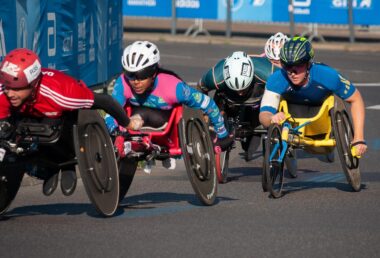

The Ethics of Medical Interventions and Treatments for Paralympic Athletes
Medical interventions in Paralympic sports both highlight and challenge our understanding of ethics and fairness. Athletes with disabilities often seek treatments that enhance their performance while managing their unique physical challenges. However, the use of medical technology raises pivotal questions about what constitutes fair play. The gravity of introducing various medical procedures notably lies in their potential to bestow advantages that could disrupt natural competition. The principle of equal opportunity for all athletes should not only extend to able-bodied participants but also fully encompass Paralympians. Systematic evaluations need to be conducted to define the ethics of any medical enhancements. By prioritizing transparent guidelines that govern medical interventions, a platform for equitable competition can be established. Various stakeholders, including coaching personnel, medical teams, and regulatory bodies must collaborate to develop a set of ethical standards that define acceptable treatments in this unique sporting domain. Ultimately, the goal remains clear: to uphold the integrity of the sport, ensuring that every athlete competes on an equal footing while fostering inclusivity and respect for the individuality of each competitor.
Ethical considerations surrounding performance-enhancing interventions pose significant dilemmas. For Paralympic athletes, such treatments may include specialized prosthetics or surgeries intended to optimize performance. One must distinguish between legitimate medical treatments aimed at restoring functionality and enhancements that provide undue advantages. In instances where equipment may enhance capabilities beyond the inherent limitations of an athlete’s disability, the line between treatment and enhancement blurs. Evaluating these distinctions necessitates a background in both ethics and medical standards. Moreover, different governing bodies, like the International Paralympic Committee, must develop consistent rules regarding the types of medical interventions permitted. Communication between athletes and governing bodies should focus on their rationale for allowing specific treatments. This approach can foster a clearer understanding of which interventions promote equity and which may detract from the integrity of sports. To that end, ethical discourse must underpin these discussions to ensure that solutions established serve the broader community. Assuring athletes’ voices are heard will also facilitate more inclusive decision-making. Balancing advancements in medical technology with fair competition is not merely a challenge—it’s an obligation that underscores the true spirit of the Paralympics.
Understanding Fairness in Performance Enhancements
Defining fairness within the context of Paralympic sports and medical interventions entails navigating complex ethical waters. Performance-enhancing medical treatments can sometimes blur the lines between fairness and inequality. The concept of fairness suggests that everyone should compete under the same set of rules, thus emphasizing the need for regulated medical interventions. Those advocating for the use of advanced technology assert that it can level the playing field for athletes with differing disabilities. However, this perspective can sometimes neglect the fact that certain technologies may benefit only a select few. Therefore, establishing a baseline for determining ethically acceptable medical enhancements is imperative. This baseline must consider not only the medical aspects but also how various interventions affect the competitive landscape. Dialogue among athletes, medical professionals, and ethical committees is crucial in reaching an agreement on what constitutes an acceptable use of medical advancements. Ultimately, the goal should be not just fairness but promoting the essence of sport, enabling athletes to compete to the best of their abilities while ensuring integrity remains at the forefront of all considerations.
The implementation of medical interventions raises further concerns related to coercion and consent. Athletes may feel pressured to undergo specific treatments deemed acceptable by sporting bodies or coaches, potentially influencing their choices. In this context, the principles of voluntary and informed consent become pivotal. An athlete’s autonomy must be upheld, ensuring they are fully aware of the implications of undergoing such medical procedures. Furthermore, conversations about interventions should prioritize the athlete’s well-being, separating external pressures from medical necessity. Consent may be validly obtained when athletes are empowered to make informed and independent choices about their medical options. However, the dynamics of coach-athlete relationships can complicate this autonomy, leading to ethically questionable situations. Education is crucial in dispelling misconceptions surrounding interventions; empowering athletes to advocate for their interests can lead to healthier sporting environments. As ethical discussions evolve, an emphasis on personal agency and informed consent will be essential for promoting equity. As the Paralympic sporting community navigates these complex issues, ensuring that ethical standards remain flexible yet stringent is crucial to maintaining integrity and respect.
The Role of Accountability in Sports Ethics
Beyond individual practices, the need for accountability in the application of ethical guidelines in sports is paramount. Stakeholders within the Paralympic sports ecosystem, including coaches, athletes, and governing bodies, must collectively engage in upholding standards of fairness. Regular discussions and updates on medical interventions’ implications on performance can illuminate the ethics behind decision-making. Transparency in these processes is essential for building trust between athletes and sporting authorities. Moreover, setting a clear framework around medical treatments ensuring education about ethical practices empowers athletes to navigate challenging decisions better. Monitoring compliance with established regulations can also protect athletes from pressure to undergo unethical treatments. Having a reporting mechanism for concerns about interventions can foster critical dialogues, ensuring fair practices while maintaining overall sport integrity. Educational initiatives focused on the ethical implications of medical treatments should be implemented as well, providing comprehensive knowledge to all parties involved. Evolving ethical conversations in Paralympic sports will ultimately contribute to a more profound understanding of fairness and equity within a rapidly changing landscape. Accountability must remain at the forefront, ensuring that decisions are guided by ethical considerations while prioritizing athletes’ needs.
Moreover, the international community’s role in setting universal standards cannot be overlooked. Collaboration among different countries can foster the establishment of global guidelines and ethical codes for medical interventions within Paralympic sports. By harmonizing standards concerning permissible treatments, disparate practices can be minimized, protecting the integrity of the sport on an international stage. The dialogue should attract global representation, ensuring that voices from various nationalities reflect a broad range of perspectives. Creating an environment conducive to the sharing of information will allow numerous athletes to benefit from best practices addressing medical standards. Regional differences in understanding medical ethics must also be addressed in these discussions. As the landscape of Paralympic sports continuously evolves, a unified stance can bolster the notion of equity and fairness in treatment. Regular updates on ethical guidelines will ensure that as scientific advancements unfold, they can be safely integrated into sports without compromising athletes’ rights. Engaging tissues of collaboration among athletes, medical and regulatory communities are integral for moving forward. Progress in Paralympic sports relies not just on innovation but on an overarching commitment to ethical integrity, protecting every competitor’s right to compete fairly.
Conclusion: Towards Ethical Standards in Paralympic Sports
In conclusion, the ethics surrounding medical interventions and treatments for Paralympic athletes present intricate challenges while failing to resolve the complexity of fairness. As sports evolve, so must our ethical frameworks, continuously advocating for athletes’ voices and perspectives. Medical interventions must be thoughtfully considered, allowing for enhancements that respect and acknowledge individual athlete capabilities. Society’s understanding of ability and disability must become more nuanced as we strive for an inclusive approach to sports. Ultimately, the engagement of athletes in the policymaking process is essential for creating effective guidelines rooted in respect and equality. An evident commitment to upholding ethical standards can foster a more trustworthy sporting environment. This is not merely a matter of competitive fairness but one of humanity that celebrates diversity while ensuring everyone has the opportunity to flourish. Moving forward, stakeholders ought to prioritize ethical conversations while rigorously examining the implications of medical treatments. It is this collaborative effort which will shape a more just future in Paralympic sports, affirming that every athlete, irrespective of their disability, deserves the highest regard for their dignity while competing.
The journey towards establishing ethical standards in Paralympic sports is ongoing, yet every stakeholder plays a vital role. Continued discourse on the effects of medical interventions presents an opportunity for sports to lead by example. Practitioners, policymakers, and athletes must unite to encourage transparency and inclusivity around ethical practices. As advancements in medicine and technology progress, remaining steadfast in our commitment to ethical integrity becomes paramount. Ultimately, the aim is to cultivate an environment that praises honesty and fairness, where all athletes can thrive irrespective of their backgrounds or medical needs. By working together towards a universal understanding of ethical medical practices, we can safeguard the future of Paralympic sports. This commitment doesn’t merely focus on the body, but emphasizes the human spirit inherent in all athletes. Such an approach ensures everyone is valued equally, reinforcing the idea that competitive success is born from genuine effort rather than artificial enhancements. Thus, the ethical considerations entwined with medical interventions must engage various audiences and perspectives to contribute towards a unified ethical framework. By maintaining continuous conversations, evolving practices can ensure that fairness is invariably upheld, preserving both competitive integrity and athletes’ dignity throughout the realm of sports.