
Using GPS and Mapping Tools for Winter Sports Safety
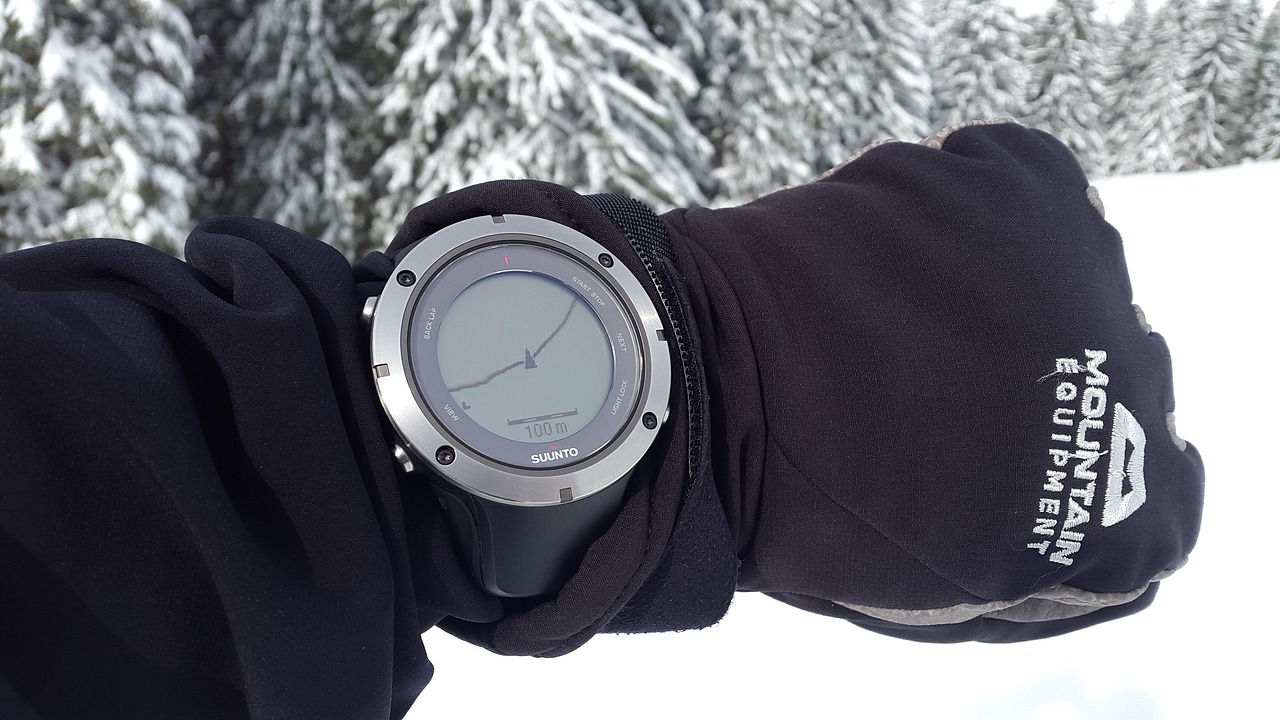
Winter sports enthusiasts face unique challenges when participating in outdoor activities. To mitigate risks, utilizing GPS and mapping tools has become essential. These technologies allow users to track their routes while ensuring they remain safe in unfamiliar terrains. With a reliable GPS device, skiers, snowboarders, and hikers can navigate their way through snow-covered landscapes without losing their way. Moreover, geolocation tracking can help others monitor your movements, adding an extra layer of safety. Before heading out, ensure that your GPS device is fully charged and that you have downloaded any required maps or software.
Along with GPS, utilizing mobile apps designed for winter sports greatly enhances safety. Many applications provide real-time weather updates, avalanche forecasts, and trail conditions. When using these apps, it is crucial to keep your smartphone charged and to prepare for possible signal loss in remote areas. Some popular apps even include social features, allowing users to share their locations with friends and family. This can be particularly beneficial if an incident occurs; others will know where to find you. In addition, familiarize yourself with the app’s interface before heading out to ensure swift access to critical information.
The Importance of Pre-Planning
Before venturing into the winter wilderness, pre-planning may prove invaluable. Establish your route, including entry and exit points, to decrease the chances of getting lost or injured. Always inform someone about your plans and estimated return time. This information will ensure that help can be dispatched quickly if needed. Mapping tools can help visualize potential hazards such as steep cliffs and avalanche-prone areas, assisting you to make informed choices. Furthermore, consider using waypoints to mark key locations, including safe spots to rest or seek shelter, which can help maintain your safety.
Additionally, checking the durability of maps or devices is essential for winter sporting safety. Whether using traditional paper maps or digital alternatives, ensure they are designed for winter conditions. Digital tools should ideally be waterproof or dustproof to withstand snowy environments. Use protective cases whenever possible. If an unexpected snowstorm occurs, having a durable map can keep you from losing essential navigation tools. Before starting your activity, practice using these tools so you are familiar with their functionalities in case of emergencies.
Battery Management
Battery management is also critical in cold climates, as frigid temperatures can drain batteries significantly faster. Be sure to pack portable chargers or power banks to keep your devices charged throughout the day. Additionally, maintaining warmth for your devices is crucial; store electronic items close to your body when not in use. It’s essential to check the battery health of your GPS or smartphone before heading outside. Consider bringing a spare battery if you will be out for extended periods, ensuring that you remain connected regardless of conditions.
Consider setting up locations on your mapping app or GPS device in advance, allowing for faster access when traversing through snowy paths. Designate regular checkpoints to evaluate your progress, which can provide motivation while ensuring you’re following your intended path. Also, consider sharing this information with your companions to keep everyone aligned. Knowing your surroundings with updated maps or GPS data helps you make timely decisions, adding to overall safety while enjoying winter sports. Always keep communication lines open as a safety measure.
Emergency Preparedness
Emergency preparedness is a fundamental aspect of winter sports safety that should not be overlooked. Familiarize yourself with local emergency numbers and the ways to reach help in case of an accident. Additionally, consider carrying a portable emergency beacon or satellite messenger, which can be invaluable when help is needed in remote areas. Make sure that your friends or family know how to use these tools effectively. Often, carrying a first-aid kit equipped for winter conditions can also save lives. Regularly check the contents of your kit to ensure everything is up to date.
In conclusion, the use of GPS and mapping tools significantly enhances winter sports safety. By adopting advanced navigational strategies and being prepared, winter sport enthusiasts can explore mountains and snow-covered terrains with confidence. Always remember to plan your trip properly, stay updated on weather reports, and use technology purposefully. Whether skiing, snowboarding, or hiking, utilizing these tools ensures you enjoy your adventure safely. Embrace the beauty of winter while prioritizing safety through preparations, and technology can dramatically enhance your experience on the slopes.