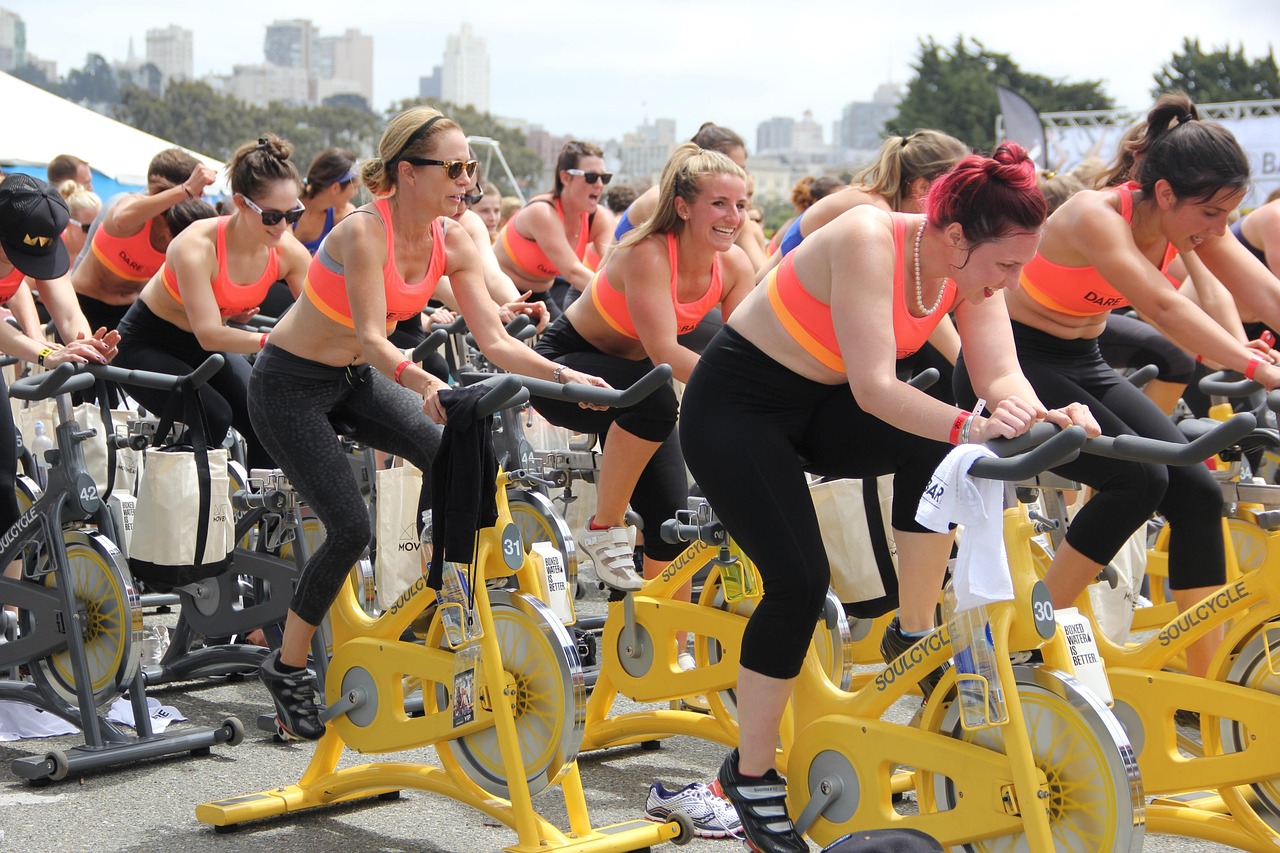

Cycling as a Social Activity to Enhance Motivation
Cycling not only serves as an excellent fitness activity but also acts as a powerful social element that can enhance motivation. Engaging in cycling with friends, family, or local clubs can provide emotional support, accountability, and encouragement. When individuals cycle together, they tend to push each other’s limits, creating an environment that’s perfect for achieving fitness goals. Additionally, the social aspect helps to create lasting friendships over shared experiences and common interests. As these relationships develop, participants remain motivated to maintain their fitness routines because they look forward to these group rides. Challenging each other during rides also instills a healthy competitive spirit. It’s a dynamic way to stay engaged in physical fitness while enjoying the outdoors. This sense of community also aids in building confidence, has numerous mental benefits, and nurtures a positive attitude toward health and well-being. Lastly, sharing cycling tales or favourite routes can inspire others to join the cycling world as well, thus expanding this motivational network. The social connections formed are instrumental in promoting a lifelong commitment to fitness through cycling.
Participation in cycling groups or clubs encourages individuals to stay active and regularly hit the roads. Typically, these groups cater to various skill levels, from beginners to seasoned riders, making it accessible for everyone. Members often plan group rides, which provide flexibility in scheduling and inclusivity. Being part of a cycling group means mutual encouragement and shared experiences that forge stronger bonds among participants. As friendships grow, individuals feel more compelled to attend rides, thus improving their fitness levels. Additionally, cycling clubs usually set challenges and events, such as charity rides, that can motivate members to achieve specific goals. These events often raise awareness about health issues or promote local causes, adding a greater sense of purpose to the rides. When members commit to participating in such activities, they become more motivated due to the collective goal. Rewards like personal improvements, recognition among peers, and a sense of accomplishment further enhance motivation. Overall, cycling as a group fosters a supportive environment where individuals are more likely to stay consistent with their fitness journeys and progressively achieve their health objectives.
The Benefits of Cycling with Friends
Cycling with friends enhances various aspects of the fitness journey, principally through support and camaraderie. Sharing experiences with a group creates an uplifting environment that invigorates cyclists both psychologically and physically. Participants often encourage one another when faced with challenges such as exhausting hills or long distances. This motivation can significantly improve endurance, as cyclists push through obstacles together. When friends cycle together, they share tips, advice, and even workouts, which fosters collaborative learning. They can exchange information about cycling gear, nutrition tips, and effective training methods, thus improving everyone’s performance. As a group, individuals also tend to set collective goals, whether it’s completing a long-distance ride or a challenging route. These shared aspirations lead to friendly competitions and sometimes even small celebrations, which further deepens friendships. Celebrating milestones creates lasting memories and rewards for their hard work. The essence of growth lies in the support that individuals provide to each other, motivating everyone to achieve greater fitness levels than they might alone. Thus, the friendships formed through cycling translate into valuable assets for long-term commitment to health.
Health and fitness are often improved when cycling is introduced as a social activity. Not only does physical fitness improve through increased cardiovascular capability and muscle strength, but mental well-being is also enhanced. Regular cycling releases endorphins that may help reduce stress and anxiety, leading to better mental health. Additionally, the opportunities for social interactions crucially contribute to enhanced emotional support. For many individuals, socializing provides motivation that goes beyond mere physical fitness; it can create a more enjoyable riding experience. Gathering with friends or fellow cyclists can make long rides enjoyable, leading to improved physical endurance. Moreover, those who partake in group activities often experience increased levels of accountability since others depend on their participation. This mutual dependency promotes a culture of consistency, where team members strive not to disappoint each other. Furthermore, the joy of sharing accomplishments fosters a sense of belonging and fulfillment. These mental health benefits are profound, showcasing how cycling, while primarily a physical activity, is inherently social and improves overall well-being and lifestyle.
Cycling Events and Community Engagement
Participating in cycling events fosters community engagement and sparks motivation for individuals. Events such as charity rides, races, or group festivals draw cyclists from various backgrounds, creating an atmosphere ripe for new friendships. Meeting fellow cycling enthusiasts broadens one’s network, opening the door for future training partners and social rides. These events often carry a positive atmosphere that cultivates motivation through camaraderie and shared enthusiasm. Moreover, events organized by local bike shops or community centers often include fitness workshops, which are beneficial for riders seeking to improve their skills. Workshops cover areas such as technique improvement, maintenance skills, and nutritional guidance, contributing to a more well-rounded preparation. Additionally, the competitive aspect of races motivates cyclists to push beyond their inner limits. It serves as an additional incentive in their fitness journey, often leading to sustained improvements in performance. Following the event, many participants continue developing friendships and encourage one another to remain active in future events, enhancing local cycling culture. The connections built during these events not only foster motivation but also create deep-rooted ties within the cycling community.
Social media plays an integral role in connecting cyclists, providing yet another platform for motivation and inspiration. Through social media channels, participants can share their cycling achievements, journeys, and personal stories. They often post photographs, statistics, or tips that serve as encouragement for others in the community. Retelling personal experiences not only keeps others motivated but has the potential to educate and inspire newcomers to partake in the activity. Motivation can come from witnessing others achieving their goals or overcoming challenges, with the sense of community palpable even in virtual spaces. Online groups and forums allow discussions about routes, gear, or upcoming events, creating a collaborative support network. As cyclists engage within these communities, members can foster relationships that result in real-life riding partners or could lead to future events. This continuous exchange nurtures a positive and motivating environment. Furthermore, social media encourages individuals to celebrate achievements, offering congratulatory messages that amplify the joy of fitness milestones. Thus, it serves as an effective platform that promotes cycling as a social activity, cultivating a community focused on personal and group growth.
Conclusion: Embracing Cycling as a Community
In conclusion, embracing cycling as a social activity significantly enhances motivation and contributes to overall fitness and well-being. The relationships developed through group rides, community events, and online interactions promote essential accountability and encouragement. The shared experiences foster a supportive environment that leads to lasting friendships and inspiring connections, ultimately creating a powerful motivational network. As individuals challenge and uplift one another, they gain greater personal satisfaction and improved performance, making fitness enjoyable. It’s evident that cycling transcends mere physical exercise; it embodies a sense of belonging while contributing positively to mental health and self-esteem. By nurturing these connections, the cycling community becomes a catalyst for sustained fitness journeys and lifelong commitments to health. Therefore, community engagement in cycling is not just about improving physical prowess; it’s about fostering a collective spirit that encourages all participants to strive for better, together. This profound sense of unity ensures that cycling remains a vibrant and supportive pursuit, aligning personal health goals with community spirit. Together, cyclists flourish and continue to push the boundaries of their capabilities while forming friendships that enrich their lives.
Whether through group rides, local events, or social media communities, cyclists have countless opportunities to connect, inspire, and motivate one another every day. Cycling, therefore, should be embraced not just as a fitness activity but as a critical part of building meaningful social connections and enhancing one’s overall quality of life. Finding that balance between physical fitness and social interaction will enrich any individual’s health journey.