
Dehydration vs Overhydration: Maintaining Optimal Body Water Balance
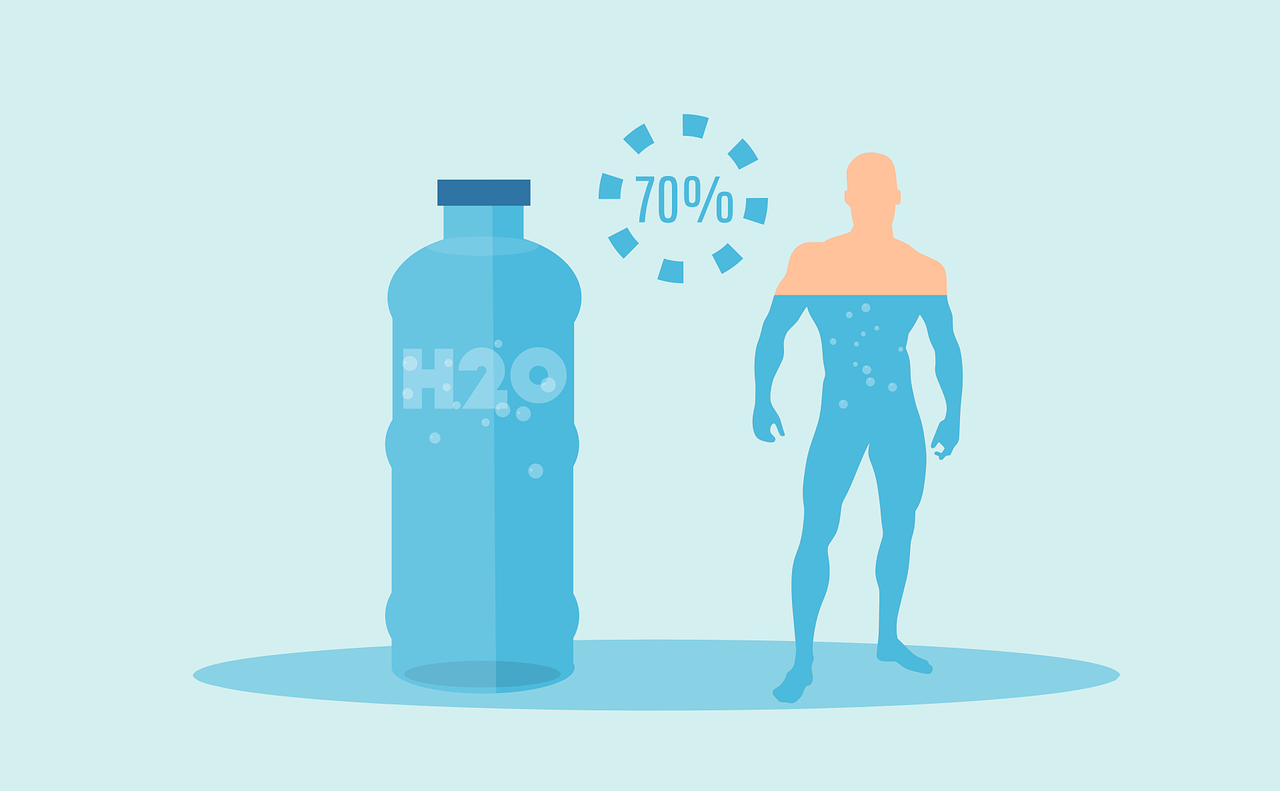
Understanding body water balance is crucial for health. Water is essential for various bodily functions, including temperature regulation, transportation of nutrients, and overall metabolic processes. The human body is composed of approximately 60% water, with a varying percentage depending on age, sex, and composition. Dehydration occurs when the body loses more water than it takes in. The symptoms can range from mild thirst to more severe effects, such as dizziness and confusion. Factors contributing to dehydration include exercise, heat, and inadequate fluid intake. Conversely, overhydration, or water intoxication, occurs when a person consumes excessive amounts of water. This condition can lead to electrolyte imbalances, particularly low sodium levels, which can have serious health implications. Therefore, understanding the balance between dehydration and overhydration is vital. Proper hydration strategies can help maintain optimal body function, supporting exercise and other activities. It is essential to monitor fluid intake and adjust according to individual needs, environmental factors, and physical demands to establish a comprehensive hydration plan that enhances health and performance.
The Risks of Dehydration
Dehydration poses various risks that can affect bodily functions and overall health. It can cause fatigue, reduced cognitive performance, and decreased physical performance. When dehydrated, the blood volume decreases, leading to less oxygen being delivered to muscles, ultimately resulting in poor endurance. Mild dehydration can impair physical activities, while severe dehydration can lead to life-threatening situations. Furthermore, dehydration can contribute to kidney stones, urinary tract infections, and other complications. The risk is particularly high in vulnerable populations, such as the elderly and infants, due to their increased sensitivity to fluid imbalances. To assess dehydration levels, various methods are used, including monitoring urine color and using thirst as an indicator. Darker urine often indicates a higher concentration of waste, suggesting that hydration should be increased. Additionally, feeling thirsty is a natural signal from the body that it needs more fluids. Keeping hydration in check is especially important during hot weather or while exercising to mitigate the adverse effects of dehydration. This enhances performance and ensures the body functions optimally.
The Dangers of Overhydration
While maintaining proper hydration is critical, overhydration can pose significant health risks as well. Consuming excessive water can dilute blood sodium levels, leading to a potentially life-threatening condition called hyponatremia. This occurs when the balance of electrolytes in your body is disrupted due to excess water intake. Symptoms of hyponatremia include nausea, headache, confusion, and, in severe cases, seizures and coma. Athletes, particularly during endurance events, are particularly at risk as they may drink large volumes of water without replacing lost electrolytes. Moreover, overhydration can stress the kidneys, causing them to work harder to filter excess fluid. It’s vital to recognize the signs of overhydration and alter drinking habits accordingly. Monitoring fluid intake and electrolyte levels is crucial, especially during intense physical activity or when in hot conditions. Proper hydration strategies need to allow for fluid balance without overwhelming the body’s regulation systems. Therefore, understanding personal hydration needs and adjustments can help mitigate risks and enhance overall health during physical exertion.
Implementing effective hydration strategies is vital for balancing body water content effectively. This involves knowing when and how much to drink based on environmental conditions, activity levels, and personal health status. A general guideline is to consume fluids regularly throughout the day rather than waiting until thirsty. Additionally, it is recommended to include beverages and food in your hydration strategy. Foods rich in water, such as fruits and vegetables, contribute significantly to daily water intake. Incorporating electrolyte-rich drinks—or simply adding a pinch of salt to water—can help maintain electrolyte levels, especially after vigorous exercise. Athletes particularly should focus on pre-hydration prior to activities and rehydrate effectively during and after exertion. Tracking fluid losses through sweating can provide insight into the necessary adjustments when adapting hydration strategies. Maintaining awareness of personal hydration needs and recognizing signs of dehydration and overhydration will also guide optimal hydration practices. Thus, understanding these dynamics fosters a healthier lifestyle and enhances performance in various physical activities.
Hydration Tips for Everyday Life
Daily hydration should be a priority for optimal well-being. Here are some practical hydration tips to incorporate into everyday life. First, carry a reusable water bottle to ensure easy access to water wherever you go. Secondly, set reminders on your phone or computer to drink water regularly throughout the day. Additionally, start your day with a glass of water; this helps replenish the fluids lost overnight. Also, try to include water-rich foods, such as cucumbers, watermelon, and oranges, adding hydration through nutritious meals. It’s important to monitor your body’s signals, including thirst and urine color, as indicators of hydration status. Remember to adjust your intake during hotter weather or when engaging in strenuous activities. Drinking non-caffeinated beverages, such as herbal teas, can also contribute to hydration levels, diversifying your fluid intake. Lastly, keep track of your progress by logging daily fluid consumption. Following these practical tips can promote optimal hydration and enhance overall health, ensuring you remain energized and focused throughout your day.
Hydration for Different Activities
The hydration needs of individuals vary depending on the activity level and environment. For instance, office workers may not require the same hydration strategy as athletes or outdoor workers. In non-exercise settings, it is often sufficient to drink water when thirsty. However, during exercise, fluid loss through sweat can significantly increase. To optimize hydration during workouts, begin hydrating before exercise and continue to drink water throughout. For longer or intense workouts, consider incorporating electrolyte drinks to replenish lost salts. In contrast, those engaged in light physical activities or sedentary jobs may balance their hydration needs through regular water intake without excessive consumption. During hot weather or high humidity, the body loses fluids more rapidly, necessitating greater hydration awareness. Understanding your specific hydration requirements allows for customized strategies that align with your lifestyle. This encourages maintaining an ideal water balance to support health, performance, and overall energy levels. Adjusting hydration strategies according to the type of activity and environmental factors can further promote the efficacy of the body’s functions.
Staying focused on both hydration and overall body water balance is essential in maintaining optimum health. Developing awareness of hydration status and recognizing the risks of both dehydration and overhydration is fundamental to forming effective habits. The balance of water in the body supports numerous bodily functions, ensuring proper metabolic processes and maintaining performance levels. Adequate hydration promotes better focus, cognitive function, and energy levels, elements crucial for both mental and physical tasks. Regular monitoring of fluid intake, combined with self-awareness in recognizing the body’s needs, will enhance personal hydration strategies. Remember that individual factors like age, activity levels, and climate greatly influence water requirements. Learning to adjust hydration practices based on exercise intensity, heat exposure, and dietary intakes fosters a more proactive approach to health. A collaborative approach of drinking water, eating water-rich foods, and including electrolytes when necessary ensures total hydration. Implementing these strategies leads to a healthier lifestyle and improved performance in both daily activities and exercise. Ultimately, prioritizing adequate hydration and understanding body water balance can lead to long-term wellness and enhanced quality of life.
Conclusion: Mastering Your Hydration Strategies
Mastering hydration strategies can lead to a healthier lifestyle and optimal body performance. By understanding the delicate balance between dehydration and overhydration, we can equip ourselves for better health. Creating a personalized hydration plan involves tracking water intake, identifying personal hydration needs, and recognizing environmental factors that may influence water consumption. Engaging in regular physical activity, consuming a balanced diet, and monitoring hydration levels will promote overall wellness. Learning the signs of dehydration can help manage fluid intake before symptoms escalate, reducing health risks. Conversely, being aware of the dangers of overhydration encourages healthier drinking patterns without compromising electrolyte balance. Establishing a routine that incorporates hydration into daily life should entail finding enjoyable ways to drink water, whether infused with fruits or consumed in regular meals. In conclusion, staying aware of hydration status and being proactive in adjusting fluid intake based on physical needs can significantly enhance health outcomes. By valuing and prioritizing proper hydration, we equip ourselves with the foundation for improved performance across all facets of life, ultimately achieving a well-balanced, energetic lifestyle.