
Future Trends in Sports Nutrition Supplements for Strength Training
As athletes continue to prioritize performance and recovery, the landscape of sports nutrition supplements is evolving rapidly. Today, there is a greater focus on personalized nutrition to cater to individual needs and preferences. Supplements are increasingly tailored to address specific requirements such as energy, endurance, and muscle growth. This trend reflects an understanding that one-size-fits-all approaches are inadequate for optimal athletic performance. Innovations in technology, including the use of artificial intelligence, have enabled the customization of supplements based on individual dietary patterns and fitness goals. More athletes are looking for evidence-based formulations that specify ingredient dosages and sources. Therefore, consumers are becoming savvier, and they demand transparency about the ingredients being used. They also seek to understand how these supplements work synergistically with their diets. This shift pushes manufacturers to provide clearer information on their labels and websites. Furthermore, with an increasing awareness of sustainability, many athletes will prioritize products with ethically sourced ingredients and eco-friendly packaging. This conversation about sustainability is gaining traction in the supplement industry, prompting brands to align products with broader social values.
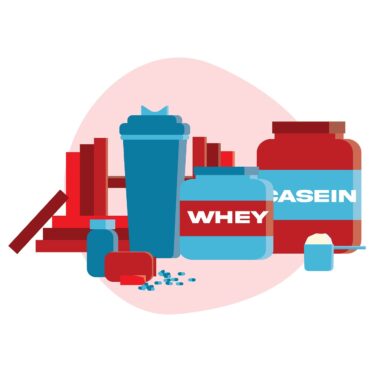
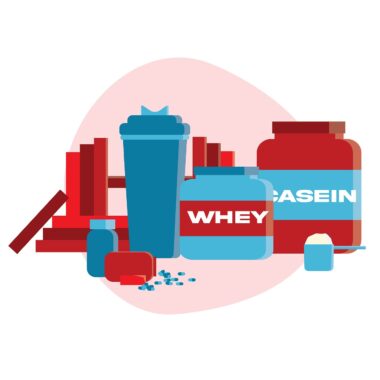
Advancements in science also play a significant role in shaping future sports nutrition trends. Research into plant-based and vegan protein sources has gained momentum as athletes seek alternatives to traditional whey and casein supplements. The exploration of new raw materials has expanded, with options such as pea, brown rice, and hemp protein becoming prominent. These alternatives not only cater to dietary restrictions but also appeal to athletes concerned about animal welfare. Additionally, the focus on branched-chain amino acids (BCAAs) and essential amino acids (EAAs) is solidifying their status as critical components of performance supplements. Their role in muscle recovery and growth is increasingly recognized, leading to higher inclusion rates in various products. Furthermore, there’s an emerging interest in fermented supplements, believed to enhance nutrient absorption and gut health. These innovations contribute to a dynamic and evolving market, one that prioritizes quality and efficacy over mere trends. Brands willing to invest in research and development will likely gain a competitive edge as more athletes search for reliable, scientifically backed products that fit their unique lifestyle and training requirements.
Functional Ingredients and Adaptogens
The incorporation of functional ingredients is another significant trend shaping sports nutrition supplements. Athletes are increasingly interested in how additional ingredients can provide benefits beyond macronutrients. Ingredients like turmeric, ginger, and spirulina are being explored for their anti-inflammatory properties, effectively aiding recovery after intense workouts. Furthermore, adaptogens, including ashwagandha and Rhodiola rosea, are gaining popularity for their stress-reducing effects. These herbs have long been used in traditional medicine, but their relevance in sports nutrition is becoming more pronounced. Athletes striving for mental clarity and reduced fatigue during training are utilizing adaptogens to help them manage stress levels and enhance focus. Through extensive research, manufacturers are integrating these ingredients into commonly-used products like pre-workout formulas, protein powders, and recovery drinks. This focus not only addresses physical goals but also highlights the importance of holistic health and well-being. As more athletes embrace the mind-body connection, the demand for these functional formulations will only increase. It presents an exciting opportunity for brands willing to explore and innovate in this burgeoning market space.
The role of digital health tools cannot be overlooked in the evolution of sports nutrition. Many athletes are leveraging apps and wearable devices to track their nutrition intake, monitor performance metrics, and analyze recovery pathways. This data-centric approach enables athletes to identify which supplements yield the best results based on their individual responses. As technology integrates with nutrition, transparency and traceability are becoming crucial concepts. Athletes increasingly prefer brands that provide comprehensive tracking of their products, from ingredient sourcing to production methods. This aligns with the growing interest in clean labeling, allowing consumers to understand exactly what they are consuming. Moreover, the intersection of e-commerce and personalized nutrition creates a seamless experience. Consumers can easily order tailored supplements that suit their nutritional goals while tracking their progress effectively. This evolution fosters a supportive community wherein athletes exchange ideas, tips, and product recommendations. The sports nutrition supplement sector will likely continue to thrive as more individuals seek personalized solutions that enhance their athletic journey. Enhanced consumer engagement through technology will ensure that athletes remain informed and empowered in their dietary choices.
The Importance of Timing in Nutrition
One emerging area of interest is the timing of nutrient intake, specifically regarding the consumption of supplements around workouts. There is a growing body of research that suggests that when athletes take certain supplements can significantly impact their effectiveness. For instance, integrating protein and carbohydrate intake before and after workouts may optimize recovery and performance outcomes. Pre-workout supplements designed to augment energy levels, stamina, and focus are quickly becoming popular. They often contain stimulants like caffeine alongside other beneficial ingredients. Post-workout supplements that promote muscle repair are also gaining attention, focusing on a combination of proteins, carbohydrates, and recovery-enhancing nutrients. Brands are likely to emphasize these timing strategies in their marketing efforts, creating product lines specifically tailored for pre-exercise and post-exercise consumption. As evidence supporting these strategies grows, athletes seeking improved performance are likely to incorporate specific nutrient timing into their routines. This new understanding of how supplements work in synergy with exercise underscores the importance of tailored nutrition strategies for athletes of all levels.
As we look ahead, the trend toward holistic health will likely shape sports nutrition supplements further. Athletes are becoming more cognizant of the physical, mental, and emotional aspects of performance. This awareness leads to a demand for multifunctional products that address various wellness concerns. Supplements that enhance physical strength, mental clarity, and emotional resilience are gaining traction, as athletes seek to optimize every facet of their performance. The rise in mindfulness and well-being in sports is being mirrored in nutrition, prompting brands to create formulas that incorporate adaptogens, antioxidants, and probiotics. Moreover, there is a growing interest in the effectiveness of specific nutrients in combating issues like fatigue and sleep disturbances, which significantly impact performance. Combining these elements into comprehensive supplement solutions will cater to modern athletes’ evolving needs. Sustainability remains a critical concern, and brands aligning their mission with consumer values around social responsibility and environmental stewardship will likely find favor in the market. Moving forward, athletes interested in performance-enhancing supplements will demand products that respect both personal health and the planet.
Conclusion on the Future of Sports Nutrition
In summary, the future of sports nutrition supplements for strength training is bright, marked by innovation and personalization. The shift towards scientifically backed, evidence-based products reflects a deeper understanding of nutrition’s role in performance. As new ingredients, like adaptogens and functional additives, become mainstream, athletes are increasingly focused on leveraging these advancements. The rise in digital health tools will only strengthen this trend by providing athletes with the resources to track their intake, optimize their nutrition strategies, and foster a sense of community. Furthermore, the emphasis on sustainability will push brands toward greener practices. Athletes will shape the market, demanding products that cater to their nuanced needs while aligning with their values. Importantly, strategies like nutrient timing will provide new dimensions in how supplements are perceived and utilized. All of these factors combined create a unique landscape that values quality, efficacy, and holistic well-being. As we move forward, embracing these trends will ultimately lead to enhanced performance in strength training, positioning athletes for greater success in their endeavors.
Ultimately, the evolution of sports nutrition supplements is a testament to the advancements in understanding human health and performance. As the industry adapts to consumer preferences and scientific developments, athletes can expect more innovative solutions tailored to their individual needs. The emphasis on transparency, personalization, sustainability, and holistic approaches will continue to shape the market. Athletes who stay informed and engaged in this evolving landscape will undoubtedly gain the competitive edge needed for excellence in strength training. Challenges may arise as consumers navigate the myriad of choices available, but the established demand will foster discerning brand loyalty. The era of sports nutrition is not just about supplements but is a multifaceted journey that intertwines physical, mental, and emotional health. Overall, the integration of personalized nutrition, functional ingredients, and data-driven approaches positions athletes to achieve their best potential. Continuous research and education will play an essential role in uncovering the benefits of these emerging trends. In conclusion, the future is bright, and the evolution of sports nutrition supplements promises unprecedented possibilities for those committed to optimizing their performance in strength training.