
Impact of Cold Temperatures on Metabolism: What Athletes Need to Know
For athletes, the impact of cold temperatures on metabolism plays a crucial role in training and performance. When exposed to cold environments, the body’s metabolic processes are significantly altered. This alteration leads to different physiological responses that athletes should understand. Cold exposure can induce shivering, which increases energy expenditure. Shivering, as a natural response, can lead to a surge in calorie burning. Athletes must recognize these changes in energy demands, especially during outdoor training sessions. Additionally, cold environments can affect nutrient absorption and utilization. Consuming foods high in carbohydrates and fats is essential for maintaining energy levels. As energy stores deplete quickly, athletes need to adjust their nutritional intake accordingly. Emphasizing hydration is also vital, since dehydration can occur even in cold conditions. The combined effect of cold and moisture on the body can lead to diminished performance. Athletes should regularly monitor their hydration status. Thus, understanding the relationship between cold stress and metabolic function is essential for maintaining performance and overall well-being.
Effects of Cold on Nutrition
Nutrition plays a fundamental role in sustaining athletic performance in cold weather conditions. Cold temperatures can impact appetite, leading to decreased caloric intake, which can negatively affect energy levels. Athletes must prioritize nutrient-dense foods that provide sufficient energy. Consuming carbohydrates is crucial, as they are the preferred source of fuel during intense exercise. A higher intake of complex carbohydrates is recommended to ensure that glycogen stores remain replenished. Additionally, incorporating healthy fats can aid in maintaining energy levels. Fats provide long-lasting energy, particularly during prolonged physical activity in cold settings. It is essential to integrate foods specifically designed to support endurance activities. Staying mindful of protein consumption also remains crucial for recovery and muscle repair. This twofold approach—focusing on both carbohydrates and protein—can enhance performance. Snacks that are warming or easy to consume on-the-go, such as energy bars or nuts, can be beneficial. Moreover, warm beverages can help regulate body temperature. Proper meal timing around workouts is equally essential, helping to optimize performance and recovery during cold weather sporting events.
In cold environments, macronutrient balance becomes vital for optimal performance. Athletes should aim for a strategic combination of carbohydrates, proteins, and healthy fats. Carbohydrates are crucial, as they provide quick energy, facilitating performance during cold weather training sessions. However, athletes shouldn’t overlook the importance of proteins. Proteins are vital for muscle repair and recovery, especially after intense workouts. Additionally, incorporating healthy fats into the diet can offer sustainable energy. Nuts, avocados, and olive oil should be integrated into meals. The role of micronutrients is also important, as vitamins and minerals support overall health. Vitamin D, for instance, may be particularly important for athletes training in less sunlight. Furthermore, antioxidants can help combat oxidative stress related to intense physical exertion. Foods rich in antioxidants, such as berries and leafy greens, should be prioritized. A balanced meal plan may include whole grains, lean proteins, and colorful vegetables, ensuring athletes receive a wide array of nutrients. Working closely with a sports nutritionist can assist athletes in designing optimal meal plans tailored to their specific demands and environmental conditions.
Hydration Strategies in Cold Weather
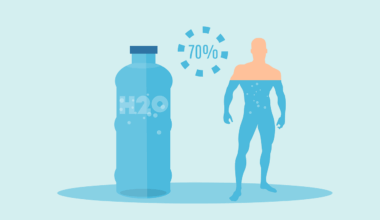
Hydration strategies in cold weather are often overlooked but crucial for athletes. Sweat loss can still occur during cold weather activities due to exertion levels, making it essential to remain adequately hydrated. Alongside monitoring fluid intake, athletes should be mindful of their hydration status. A good rule is to drink regularly, even if not feeling thirsty, as thirst may not always signal the need for liquid intake. Sports drinks can provide a source of electrolytes and carbohydrates, particularly during extended training sessions. These drinks can help maintain energy, enhance performance, and support hydration levels. It’s advisable to consume fluids at regular intervals, and warm fluids, such as tea or broth, can also be beneficial. Hot beverages can boost body temperature and provide comfort in cold climates. Moreover, consuming fruits with high water content, like oranges and watermelon, can contribute to overall fluid intake. Checking urine color is a simple way to monitor hydration status; it should be light-colored and not concentrated. Therefore, hydration remains a key element in achieving successful athletic performance during frigid temperatures.
Recognizing signs of cold stress is important for athletes training in harsh conditions. Cold stress can manifest through various physical symptoms, such as fatigue, decreased coordination, and impaired decision-making. These can significantly compromise performance and increase the risk of injuries. Athletes should learn to identify these symptoms and respond accordingly. Neglecting to address cold stress can lead to serious health issues like hypothermia or frostbite, both dangerous conditions that can impact physical activity. Being aware of environmental conditions before training sessions helps in planning appropriate preparation. Dressing in layered clothing can help regulate body temperature effectively while preventing overheating or excessive heat loss. Furthermore, athletes should include proper warm-up routines to prepare their muscles before engaging in rigorous activities. Utilizing thermal layers made from moisture-wicking materials can help maximize comfort levels during training. Additionally, breaks should be programmed into sessions, allowing athletes to rest and warm up. Awareness of these strategies can enhance safety and performance, ensuring that athletes stay at the top of their game during extreme outdoor conditions.
Recovery Techniques for Cold Weather Training
Implementing effective recovery techniques is essential for athletes training in cold environments. After the training session, engaging in proper recovery practices can significantly accelerate the healing process and enhance performance. Utilizing techniques like active recovery and stretching helps alleviate muscle soreness and tightness. Furthermore, incorporating a cool-down routine after intense training allows the body to gradually return to a resting state. Restoration practices, including foam rolling, can promote better blood flow to muscles, essential for recovery. Hot baths or warm showers can be beneficial, as they assist in relaxing muscles and relieving tension. Additionally, consuming a post-workout meal rich in proteins and carbohydrates facilitates optimal recovery and muscle rebuilding. Proper sleep is another vital aspect; it plays a crucial role in physical recovery. Athletes should prioritize getting adequate sleep to allow the body to repair itself effectively. Lastly, making use of recovery modalities such as compression therapy can improve blood circulation. By combining these recovery techniques, athletes can ensure long-term benefits and sustain performance over the cold training sessions.
Understanding the impact of cold temperatures on metabolism is vital for athletes aiming for optimal performance. Cold exposure demands a significant adaptation by the body, especially concerning energy expenditure and nutritional requirements. Consuming adequate energy through a balanced diet tailored to cold environments is essential. In addition to macronutrients, micronutrient intake should not be neglected. Vitamins and minerals help support various body functions during physical exertion. For those competing in colder climates, having a well-thought-out nutrition plan has proven beneficial in improving performance levels. Furthermore, the significance of hydration cannot be understated; even seasoned athletes may struggle to maintain fluid balance during colder training sessions. Awareness of the interplay between hydration, nutrition, and cold stress allows athletes to optimize performance and minimize risks. Additionally, that knowledge empowers athletes to take proactive measures when preparing for conditions that challenge both mind and body. Athletes who can effectively integrate this understanding into their routines will likely experience enhanced endurance and overall performance satisfaction while training in demanding environments.