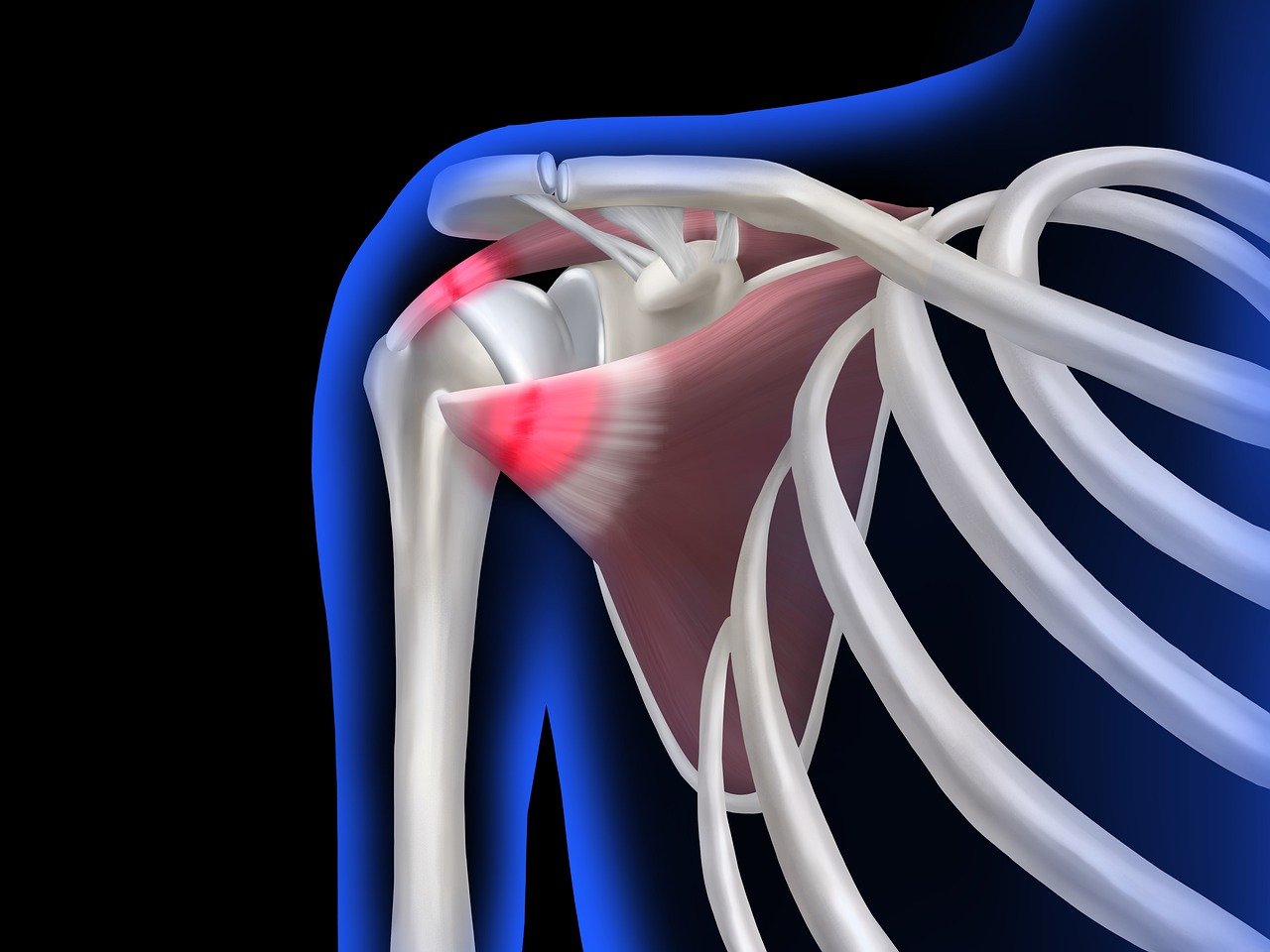

Muscle Activation for Shoulder Injury Prevention
Shoulder injuries are common, resulting from various activities or poor biomechanics. Engaging in proper muscle activation techniques can significantly help in preventing injuries. This article emphasizes the importance of specific exercises and strategies to keep the shoulder stable and effective. Understanding the anatomy of the shoulder is crucial, as it comprises various muscles working together to ensure mobility and strength. Strengthening these muscles through targeted exercises can fortify the shoulder against potential injuries. The primary muscles involved include the rotator cuff and scapular stabilizers. Ensuring these areas are well-prepared for physical tasks can improve overall performance. Moreover, incorporating muscle activation techniques can enhance neuromuscular efficiency, allowing for better movement coordination. Consistently practicing these methods may lead to greater stability in the shoulder joint, minimizing the risk of injuries. Utilizing resistance bands or weights can be beneficial in activating these muscles properly. Additionally, consulting with a physical therapist or trainer can further refine these techniques, tailoring them to individual needs. Overall, finding a routine that emphasizes muscle activation will contribute substantially to shoulder health and injury prevention.
The Role of Muscle Activation Techniques
Muscle activation techniques (MAT) focus on identifying and correcting dysfunctional movement patterns. These techniques rely on engaging the nervous system in specific ways to enhance muscle performance. Understanding why certain muscles may be inhibited or underutilized is crucial for effective treatment. Proper muscle activation can lead to improved movement efficiency and help prevent injuries, particularly in the shoulder region. When we identify tightness or weakness in specific muscles, we can implement strategies to activate and strengthen them. For example, exercises that target the serratus anterior or supraspinatus can contribute to a healthier shoulder. Additionally, MAT encourages individuals to develop better body awareness, enabling them to differentiate between effective and ineffective movement strategies. This practice helps individuals recognize how to engage muscles appropriately during daily activities, sports, or workouts. One effective technique is to perform light activation exercises before heavier lifting. Over time, this can create stronger neural pathways and improve muscle function. Emphasizing muscle activation techniques will lead to notable improvements in shoulder stability and overall athletic performance, ultimately reducing the risk of injury.
Incorporating dynamic warm-ups is essential in any muscle activation routine. These warm-ups not only prepare the muscles for activity but also activate the neuromuscular pathways. Various movements, such as arm circles, shoulder rolls, and resistance band exercises, can stimulate shoulder muscles effectively. Incorporating these into a routine can improve flexibility and joint range of motion. Engaging in dynamic stretches elevates heart rate and promotes blood flow to targeted areas. Ensuring that the body is adequately warmed up reduces the chances of strains or sprains during vigorous activities. Alongside dynamic warm-ups, maintaining proper posture play a significant role in shoulder health. Poor posture often leads to muscle imbalances and can create unnecessary strain on the shoulder joints. Encouraging alignment of the spine and shoulders in daily activities can be achieved through strength training dedicated to upper back and shoulder muscles. Individuals should aim to maintain awareness throughout daily routines to ensure the correct posture is upheld. Prioritizing posture and dynamic warm-ups serves as a strong foundation for shoulder injury prevention. This systematic approach demonstrates the value of muscle activation techniques in enhancing athletic performance.
Implementing Shoulder-Specific Exercises
Integrating shoulder-specific exercises into a workout regimen is crucial for preventing injuries. Exercises like external rotations, lateral raises, and face pulls can activate critical muscles supporting shoulder stability. These movements engage the rotator cuff, which plays a key role in maintaining shoulder integrity. Focusing on a variety of planes during training will provide well-rounded development. Resistance bands, dumbbells, and body weights can be utilized effectively to enhance the weight-bearing of such exercises. Regular practice of these exercises promotes robust shoulder muscles ready to withstand physical challenges. Furthermore, individuals should progressively increase weights or resistance to ensure continued improvement. Incorporating stability and balance exercises enhances the efficacy of this training approach. Utilizing stability balls or balance boards can challenge the shoulder muscles, engaging stabilizers that improve balance and functional movement. Additionally, including mindfulness practices, such as yoga, can support overall shoulder health. Yoga promotes flexibility and mental focus, which contribute to injury prevention. Establishing a well-structured exercise routine that places an emphasis on shoulder-specific training will ultimately inform long-term wellness. Regular assessment of shoulder conditions will also enhance this process further.
Listening to the body’s signals is a fundamental aspect of injury prevention. Many individuals push through discomfort, resulting in further damage. Developing an understanding of personal limits and being attuned to any unusual aches or pains can mitigate this risk. Paying attention to body mechanics during activities can illuminate potential issues. If a specific movement causes pain, it’s essential to modify or seek assistance to address potential weaknesses. Engaging a certified trainer or therapist may provide valuable insights into improving technique and correcting imbalances. Moreover, education regarding shoulder anatomy and functionality empowers individuals to take control of their shoulder health. Knowledge about common injuries and their prevention methods is vital in fostering a proactive mindset. Participants should also engage in regular assessments of strength and flexibility to track improvements and highlight areas needing attention. Such assessments serve as benchmarks for setting goals and refining training methods. Slowly revisiting any painful movement while focusing on mechanics helps individuals to regain confidence. Integrating this awareness into workouts can have profound implications for long-term shoulder health. This educational aspect will significantly contribute to injury prevention efforts.
Conclusion: Prioritizing Shoulder Health
In conclusion, prioritizing shoulder health through muscle activation techniques is invaluable for injury prevention. By understanding the roles of various muscles, engaging in targeted exercises, and embracing a proactive mindset, individuals can significantly reduce the risk of injuries. Recognizing the importance of dynamic warm-ups and proper posture contributes greatly to joint stability. The integration of shoulder-specific exercises into fitness routines fortifies these delicate muscles and promotes optimal function. Regular assessments and adapting training as necessary fortify an individual’s ability to avoid injuries over time. Furthermore, awareness and education about the potential for shoulder injuries encourage a more mindful approach to physical activity. Listening to the body’s signals is essential in this journey, which helps tailor strategies personalized to individual needs. Cultivating a strong foundation of muscle activation knowledge will empower individuals to engage in their favorite activities safely, whether athletically or in daily life. Ultimately, investing in shoulder health is investing in overall physical well-being. As we prioritize muscle activation techniques, we build resilience and functional capacity within the shoulder area, setting the stage for success in both performance and injury prevention.
In summary, preventative strategies surrounding shoulder health must address various factors to be effective. A comprehensive approach includes engaging in targeted exercises, implementing dynamic warm-ups, and fostering awareness of body mechanics. Practicing muscle activation techniques nurtures proper movement mechanics, reducing the likelihood of injuries. Emphasizing strengthening both the rotational and stabilizing muscles in the shoulder is crucial for injury resilience. Commitment to regular exercise routines, alongside attentive monitoring of progress, enhances long-term health outcomes. Additionally, integrating strategies from the emerging field of muscle activation therapy can yield impressive results in enhancing shoulder function. Collaborating with experts can provide personalized insights, maximizing the effectiveness of training protocols. This collaboration can bridge gaps between knowledge and practice, allowing for refined techniques aimed at injury prevention. As individuals incorporate these practices into their routines, they will be better prepared to engage in activities with confidence. Gradually embracing these techniques will ultimately contribute to lifelong joint health. Therefore, engaging in preventative measures is not just beneficial but essential for all who seek to maintain an active and flourishing lifestyle.
Additionally, tracking progress and setting specific fitness goals can help keep individuals focused. Maintaining motivation and accountability will lead to better adherence to healthy practices, ultimately enhancing shoulder stability. Recording workout progress serves as a reminder of achievements and learning opportunities. The inclusion of rest and recovery as essential components of any fitness program cannot be overlooked, as it fosters muscle repair and growth. Balancing intensity with appropriate rest times ensures strength gains without overstressing the shoulder muscles. Moreover, actively participating in cross-training routines can promote overall shoulder health. Engaging in diverse sports or activities prevents overuse injuries while enhancing functional capabilities. Exploring alternative methods of training, such as Pilates or swimming, can stimulate different muscle groups while providing excellent shoulder workouts. Furthermore, being adaptable to changes ensures the body remains resilient to different physical challenges. Ultimately, prevention strategies are most effective when they are tailored to individual needs and lifestyles. By taking a holistic approach that encompasses muscle activation techniques, awareness, education, and adaptability, individuals can significantly reduce the risk of injury to the shoulder and maintain optimal function.