
Seasonal Parkour Training Tips for Children and Beginners
Parkour training for kids can be an exhilarating activity that develops not only physical fitness but also mental agility. As seasons change, so too can training methods and environments. In the spring and summer, outdoor parks and playgrounds provide excellent opportunities for practice. Ensure kids are warmly dressed as temperatures drop in fall or winter. Start off simple, focusing on developing basic movements and techniques like jumping, rolling, and vaulting. It’s crucial to teach appropriate safety practices to minimize injuries. Children need to understand the importance of warming up and cooling down as part of their routine. Incorporating fun elements, such as obstacle courses made from local park features, can keep training fresh and exciting while maintaining interest. Scheduling regular group sessions with friends creates a supportive environment that fosters learning and enhances teamwork. Working alongside peers helps children learn from one another. Introducing challenges such as timed runs can motivate participants while boosting their confidence and skill level. Trainers and parents should encourage self-expression through parkour as well, allowing each child to find their unique style and approach to movement.
Creating a safe practice area is essential when engaging in parkour training, especially for beginners and younger participants. Look for spaces that are free from debris and have a flat surface. Soft grass or sand can minimize risk of injury when landing jumps. Use safe and durable materials for any equipment that might be used during practice. Introduce concepts of progressive training. Start with easy moves before advancing to more complex techniques. Parents should actively participate by supervising and offering support that encourages safe exploration. Supervised training helps develop both trust and skills as they practice. Engaging parkour coaches could benefit beginners immensely. These professionals can provide structured learning experiences and safety guidance tailored to the child’s skill level. Incorporation of varied sessions, such as balance training and flexibility exercises, enhances overall athletic capability. Over time, establishing a routine helps build confidence and mastery over skills. Encourage children to set achievable goals to strive for. Achievement of these small milestones fosters a sense of accomplishment. Keeping the atmosphere positive and supportive ensures that kids will enjoy their practice and remain enthusiastic about future training.
Seasonal Variations in Training
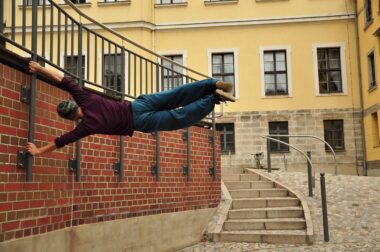
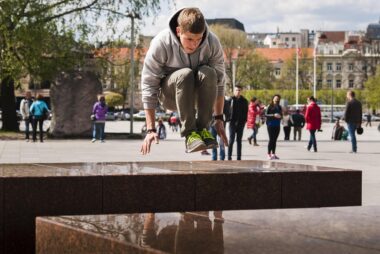
Different seasons present unique opportunities and challenges for parkour training. Winter training can be particularly challenging due to cold temperatures and slippery conditions. Dress kids in layers made of moisture-wicking materials to keep them warm during sessions. Despite the inherent challenges, winter offers the chance to practice techniques like sliding and rolling on snow or ice. Snow can provide a softer landing. When temperatures rise in summer, hydration becomes of utmost importance. Always keep water bottles on hand during practice. Summer evenings can be excellent for training once the heat subsides. The vibrant environment encourages kids to spend time outdoors and explore movement. Spring and autumn weather is generally more favorable for outdoor training sessions. Nature serves as an excellent backdrop for parkour. Children can use the changing environment to develop their skills. It’s also an excellent time to practice vaulting techniques over benches and low walls. Trainers should remain observant to ensure safety when introducing new challenges that align with seasonal constraints. Use the seasons to make training sessions innovative and engaging. Creating thematic sessions can incorporate nature seamlessly into parkour practice.
Engagement with local parkour communities can greatly enhance a child’s training experience. Many cities have clubs or groups that focus on parkour activities. Connecting with these communities provides children with the chance to meet peers who share similar interests. Group sessions can introduce participants to fundamental techniques while providing a much-needed social aspect to training. Finding mentors within these groups ensures a reliable source for tips and safety advice. Beginners who feel supported are more likely to remain committed to the practice. Attending workshops can also expose younger practitioners to a larger pool of skills and techniques to draw from. Experienced trainers often attend these workshops and can provide expert guidance tailored for beginners. Recognizing the importance of team training is vital. Training with a group can offer motivation, fun challenges, and learning experiences that solo practice lacks. Encourage friendly competition among peers to enhance the practice further. Local parkour meetups are an excellent way to boost community engagement and friendship. By promoting these connections, children develop a well-rounded appreciation for parkour as a collaborative and individual pursuit. Building relationships strengthens their skills and encourages a lifelong love for movement.
Incorporating Fun into Training
Parkour is all about creativity and exploration, so incorporating fun elements into training is crucial. Engaging children through games can significantly enhance their motivation to learn. Incorporate activities like obstacle courses or timed relay races to make practice feel more like play. Turning drills into friendly competitions fosters excitement and enhances practice dynamics. Families can join in, creating bonding experiences while encouraging healthy activity. Incorporating themes into training sessions can elevate levels of enjoyment. For instance, use superhero motifs where kids can perform the moves of their favorite characters. Use this creative storytelling approach to fuel their imagination while enhancing their movement skills. Additionally, consider celebrating small victories with rewards or themed challenges. Introduce creative prompts to inspire children; for example, they can mimic animals or ninja movements. This approach increases engagement and allows for self-expression. Creating scenarios where children must “escape” from imaginary threats boosts imaginative play. Parents and trainers should remember that enjoyment is key to child development. Children who find joy in learning are more likely to retain skills and practice regularly, making their parkour journey more fulfilling and rewarding.
It is equally important to recognize that building confidence takes time. All children progress at different rates, so it is crucial not to pressure them excessively. Instead, establish a supportive atmosphere that fosters gradual improvement. Regular positive reinforcement encourages young practitioners to push against their boundaries safely. Create an environment where setbacks are viewed as valuable learning experiences. It’s also essential to teach children to listen to their bodies. Kids should learn when to take breaks during practice to avoid burnout or injury. Celebrate both the small and large successes in each child’s training journey, reinforcing their motivation to continue. Ensure that each session includes feedback and constructive criticism that is both helpful and encouraging. Highlight their progression to build self-esteem and encourage newfound challenges. As children grow more confident, they will begin to act independently, exploring their movement in unique ways. The learning curve should be viewed as an uplifting journey. Consistency in practice can lead to remarkable improvements. Engaging with families around the training dedicated to parkour enhances community spirit. Together, families can support children in their growth as athletes and as individuals.
Safety Considerations for Young Practitioners
Childhood safety is of utmost importance in parkour training. Parents must prioritize creating an environment where safety is woven into each practice session. Begin by teaching children about the appropriate use of fitness equipment. Set clear guidelines that promote safety above all else. Stress the importance of warm-up and cool-down activities for maintaining proper muscle function. Children also need to learn effective falling techniques to minimize harm during practice. Regularly inspect training environments for hazards. Clear away any potential hazards. Regular safety briefings before training can help instill a safety-first mindset. Always remind kids to wear appropriate footwear, as proper shoes can vastly enhance performance and minimize slipping. Monitoring fatigue levels during sessions is crucial; children should be encouraged to speak up if they feel overwhelmed. Set practical training limits that match their skill level. Incorporate mindfulness practices, helping kids develop self-awareness in judging their abilities. Empowerment through knowledge shapes positive experiences within the parkour community. This overall approach helps create a safe yet fun atmosphere for training. Empowered children are more likely to take an active role in their practice from a safety perspective.
Parkour provides children with both physical and mental benefits, making it an ideal activity. Enhanced motor skills, balance, and coordination are some of the physical benefits that can be gained through regular practice. Likewise, practitioners develop problem-solving skills by navigating obstacles. As they devise creative routes around challenges, their cognitive skills are sharpened. Improvements in self-esteem often accompany these skills. Gaining proficiency in parkour prompts celebration of personal achievements, reinforcing the value of their dedication. Children learn to embrace physical challenges, leading to a healthier overall mindset. The journey can be transformative for children dealing with social anxiety, offering a supportive community through social interactions. Engaging with peers enables mentorship opportunities, fostering friendships built on shared experiences. The parkour culture emphasizes resilience and adaptability. These vital skills translate beyond training, benefiting students in school and life. Encourage each child’s growth during training sessions by nurturing their emotions and promoting a supportive environment. This journey shapes both stronger athletes and well-rounded individuals. The blend of physical and social advantages prepares children for challenges they will face in their daily lives. Ultimately, parkour can shape a brighter future for young practitioners.