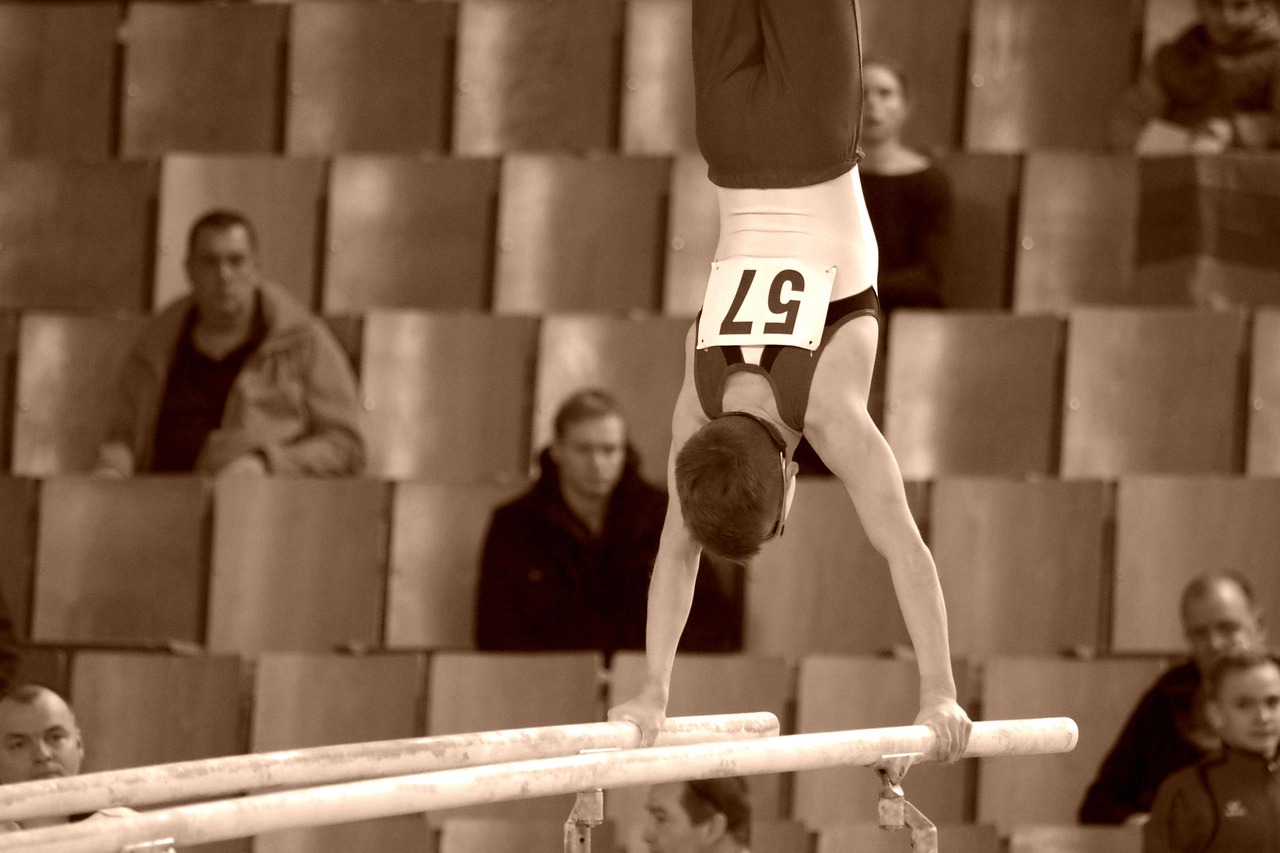

Using Gymnastics Bars for Calisthenics Strength Training
Calisthenics is a form of exercise that emphasizes strength, flexibility, and body control, making it a popular method for enhancing overall physical fitness. Incorporating gymnastics elements, particularly gymnastics bars, can bring an exciting dimension to calisthenics routines. Gymnastics bars allow for different grip styles and dynamic movements, increasing the complexities of exercises. Practicing strength training on these bars not only develops muscle but also enhances coordination and balance, which are vital components of overall fitness. Whether performing pull-ups, swings, or transitions, gymnastics bars support bodyweight movements that challenge and strengthen key muscle groups. This equipment is adaptable to various skill levels and can be used to integrate multiple techniques, enhancing the body’s functional strength. Additionally, performing exercises on bars can be a more engaging and versatile approach to traditional workouts, keeping motivation high and boredom at bay. Incorporating bars into your fitness regimen can lead to more efficient training sessions, allowing for an expanded range of motions and positioning that floor exercises may lack. By integrating gymnastics bars into your calisthenics training, you can experience a comprehensive workout that builds strength holistically.
In calisthenics, using gymnastics bars enables practitioners to incorporate a range of movements, ensuring progressive training. Many essential exercises can be performed on gymnastics bars, including dips, muscle-ups, and various hanging techniques. These movements target large muscle groups like the back, shoulders, and arms, making them essential for strength development. Furthermore, they enhance grip strength, core stability, and overall body control. Using bars also helps reduce strain on the joints, allowing for safer training sessions while performing complex movements. Initiating your routine with basic exercises on the bar and gradually increasing the difficulty is advisable. Always prioritize form to maximize benefits and minimize injury risks. As you progress, challenging yourself with variations helps break through strength plateaus. You should incorporate routines that alternate between strength and flexibility training to maintain a balanced workout. Engaging with diverse exercises can prevent burnout and promote consistent interest in your training. For best results, find a reliable routine that resonates with your personal goals. Whether you’re seeking muscle growth or overall fitness improvement, gymnastics bars can substantially enhance your calisthenics performance, encouraging an adaptive, enjoyable, and effective workout experience.
Benefits of Gymnastics Bars in Calisthenics
The advantages of utilizing gymnastics bars in calisthenics training extend beyond mere strength building. They encourage muscular symmetry and balance, which are paramount for holistic physical fitness. When properly executed, various bar exercises will promote true functional strength by mimicking real-world movements. Increased flexibility is another major benefit, as many bar exercises naturally lead to more extended ranges of motion, ultimately translating to improved athletic performance and reduced injury risks. Additionally, these bars provide opportunities for unique challenging variations that can be manipulated to suit one’s fitness level, fostering a constant sense of progression. By allowing individuals to explore diverse training styles and focus on all-around physical capabilities, practitioners remain engaged and motivated throughout their fitness journey. Furthermore, gymnastics bars add a social component when used in group classes or partner workouts, making training more enjoyable. Overall, incorporating gymnastics into your calisthenics repertoire leads to enhanced mental strength, perseverance, and creativity in approaching physical fitness challenges, which ultimately contributes to personal growth and self-discipline. Engaging with the community also fosters a sense of support in your journey.
When beginning your journey using gymnastics bars for calisthenics, starting with the right techniques is crucial. Being familiar with basic positions and grips will provide a solid foundation for further development. Always ensure proper warm-up exercises are performed prior to initiating any routine to avoid muscle strain and injury. Consider working on grip strength separately; a firm grip enables the execution of advanced movements more efficiently. Many trainees find that utilizing resistance bands or even spotters can help ease the transition into more challenging exercises like the muscle-up. Beginners should focus on mastering foundational movements, such as basic holds, pulls, and dips before progressing to more dynamic variations. Additionally, consider implementing a structured workout plan that incorporates gymnastics bar exercises alongside traditional calisthenics movements. Tracking your progress consistently will help in assessing your results over time, ensuring that you are meeting your personal fitness goals effectively. Incorporate ample rest periods into your regimen, allowing your muscles to recover adequately between workouts. Familiarizing yourself with online resources and instructional videos can further aid your understanding of effective bar techniques and strategies, helping you become competent and confident in your workouts.
Common Exercises on Gymnastics Bars
Several basic movements are ideal for individuals new to using gymnastics bars in calisthenics training. These exercises include the pull-up, dip, and skin the cat, which all target significant muscle groups effectively. Pull-ups primarily work the biceps, back, and shoulders, helping build upper body strength. Dips focus on the triceps and chest while also engaging the core, making them an excellent addition to any workout routine. The skin the cat exercise enhances shoulder mobility, balance, and core strength. Numerous variations exist for each of these foundational exercises, making them adaptable to support progress at varying fitness levels. Beginners should aim to perform several sets of each exercise, focusing on maintaining proper form and technique over sheer repetitions. Commit to a progressive overload approach, which involves gradually increasing intensity, volume, or difficulty in your workouts to keep challenging your muscles. Establishing a workout library highlighting different variations of these exercises provides a roadmap for your fitness journey. Incorporating these exercises into your routine will empower you to achieve stronger muscles and superior body control, essential elements in advancing your overall performance.
Proper nutrition plays a pivotal role in supporting muscle recovery and growth while engaging in calisthenics workouts with gymnastics bars. Fueling your body with nutritious food is critical for achieving long-term goals, ensuring you’re supplying essential nutrients for muscle performance. Consuming balanced macronutrients — carbohydrates, proteins, and fats — will energize your workouts and expedite recovery. Prioritize protein intake post-workout to help facilitate muscle repair and growth, maximizing the benefits of your bar exercises. Highly nutritious foods such as lean meats, dairy, legumes, and nuts should be included in a well-rounded diet. Moreover, hydration is crucial; maintaining fluid balance ensures optimal physical performance. It can even influence muscle recovery rates. Individuals should also monitor their overall caloric intake to align with their fitness goals, whether for weight loss, muscle gain, or performance enhancement. Increasing whole foods over processed options will yield better results for energy levels and overall health. Supplements can complement a balanced diet but are not substitutes for whole foods. Consulting with a nutritionist may be advisable for personalized nutrition strategies, ensuring both caloric and macronutrient needs are met to support your calisthenics journey effectively.
Progress Tracking and Motivation
Tracking your progress during calisthenics training with gymnastics bars is essential for maintaining motivation and understanding your advancements. Record your workouts, noting repetitions, sets, and any new variations attempted; this documentation serves as a reference point for future sessions and helps you identify patterns and areas of improvement. Regularly revisiting your achievements can reignite motivation and inspire a continuous pursuit of your goals. Setting short-term and long-term fitness objectives will aid in creating a clear roadmap on your journey. Small, achievable targets are excellent for building confidence and maintaining enthusiasm. Consider engaging in online communities or local fitness groups focused on calisthenics to surround yourself with like-minded individuals who can offer support, knowledge, and encouragement. Sharing your progress within these communities can further enhance motivation and accountability. Additionally, creating a workout schedule that varies your exercises can keep training fresh and engaging. Incorporating elements of fun during workouts, such as music or friendly competitions, will also enhance motivation levels. Reflecting on your overall experience can help illuminate how far you’ve come and celebrate every achievement along the way, leading to a fulfilling fitness journey filled with personal growth.
Maintaining focus on form, technique, and consistency is necessary for success when using gymnastics bars in calisthenics training. Improved strength and increased control will result from prioritizing quality over quantity, which is crucial for preventing injuries. Frequent assessments of your abilities indicate when to progress further, ensuring continued growth. Form should remain the priority to minimize the risk of injury and promote long-term adherence to workout routines. Scheduling regular assessment periods will enable you to monitor changes in performance and identify area-specific weaknesses needing work. Additionally, consider blending your workout with various forms of movement, such as yoga or Pilates, which highlights the need for mobility and core strength, both integral to good performance on bars. Staying aware of body feedback during workouts could indicate when to adjust or take advantage of rest periods, fostering a balanced approach in your training. Lastly, celebrate small victories along the way, building positive reinforcement and self-encouragement. As you enhance performance on gymnastics bars, you foster a deepening appreciation for your body’s capabilities while cultivating resilience in the face of challenges.