
Cross-Training Methods to Improve Football Power
Improving your football power requires a multifaceted approach where strength and conditioning play key roles. Cross-training methods offer varied workouts that can enhance muscle development and overall athletic performance. For football players, incorporating these methods can lead to improved explosiveness, speed, and stamina on the field. Different types of exercises can target specific muscle groups essential for football skills. A well-structured cross-training program should include resistance training, plyometrics, and functional movements. Resistance training focuses on building muscle strength, while plyometrics improves quickness and explosive capability. Functional movements prepare the body for the specific demands of football. Athletes benefit from variety, which can prevent burnout and injury. A balanced routine entails combining cardiovascular exercises with strength training to build endurance and prevent fatigue. With commitment and proper coordination, you can transform your body to withstand the physical demands of the sport. Engaging professional trainers can enhance your training regimen, ensuring that you are performing exercises optimally. Implementing these cross-training methods can help athletes reach their peak potential, maximizing not just power but also overall performance during games.
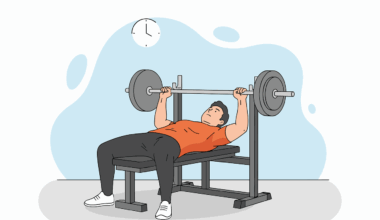
Among the essential components of cross-training for football is resistance training. It emphasizes developing the muscle strength crucial for tackling, sprinting, and jumping. These tailored workouts often involve various weightlifting techniques, targeting major muscle groups like legs, back, and core. By improving strength, athletes can enhance their on-field performance significantly. It’s advisable to start with compound movements like squats and deadlifts, as they engage multiple joints simultaneously. Also, incorporating Olympic lifts such as cleans is effective for developing explosive power. This power translates directly into better performance in football, enabling more forceful movements during play. Moreover, integrating bodyweight exercises like push-ups and pull-ups can offer the flexibility needed for various football positions. To maximize effectiveness, athletes should aim for 2-3 resistance training sessions weekly, focusing on progressive overload. Increasing weights gradually allows for consistent improvement over time. Lastly, proper recovery and nutrition play vital roles in strength development; prioritizing protein intake can support muscle repair. Therefore, a balanced diet coupled with diligent training will foster optimal power advance on the football field.
Plyometrics is another dimension of cross-training vital for football power development. This training form emphasizes explosive movements, improving both speed and agility essential for football success. These exercises typically include box jumps, depth jumps, and bounding. They are designed to increase the fast-twitch muscle fibers that contribute to powerful movements. Incorporating plyometrics into a training routine fosters an increased ability to exert maximum force in minimal time, enhancing overall athletic performance. Perform these exercises 1-2 times per week, allowing adequate recovery time to avoid fatigue or injury. Ideally, sessions should focus on technique to maximize benefits while minimizing risk. Start with lower-intensity movements and gradually progress to more complex exercises as your body adapts. Always prioritize warm-ups for injury prevention and performance enhancement. Integrating plyometric training into a football fitness program adds variety, helping to keep training interesting and effective. Athletes usually find that such workouts improve their confidence and skill level. Over time, these benefits become apparent during games in terms of improved explosiveness during sprints and jumps, ultimately enhancing overall game performance.
Functional Movement Patterns
A critical aspect of enhancing football performance through cross-training involves incorporating functional movement patterns. These movements mimic activities seen on the field and prepare athletes for the dynamics of game situations. Exercises like lunges, step-ups, and rotational throws are essential for developing the balance and coordination necessary for effective football play. They help athletes learn to control their bodies while in movement, a key element on the field. Functional training emphasizes multitasking; players can work on strength, agility, and stability simultaneously. Moreover, incorporating balance exercises can mitigate injury risks common in football, enhancing longevity in an athlete’s career. It’s beneficial to integrate agility drills after strength training sessions to maintain a well-rounded approach. Athletes should prioritize dynamic stretches before workouts to improve flexibility, essential for executing football techniques smoothly. Incorporate obstacle courses to promote quick decision-making and adaptability. Achieving proficiency in these functional movements facilitates smoother transitions during games. Over time, these exercises build robustness and resilience in athletes, ensuring they can perform at their best throughout the season.
Implementing cardiovascular exercises within the cross-training framework can significantly bolster on-field performance. Football demands intense bursts of energy, requiring athletes to maintain stamina during games. Aerobic conditioning improves oxygen delivery, ensuring muscles have the needed fuel during extended play. Endurance training should focus on increasing running distances and incorporating interval training sessions to prepare for the varied intensity of matches. Activities like running, cycling, or swimming can help diversify workouts and prevent monotony. High-Intensity Interval Training (HIIT) is particularly effective in mimicking game-like scenarios. These sessions alternate intense efforts with recovery periods, enhancing both aerobic and anaerobic performance. Including consistent cardiovascular workouts promotes faster recovery post-match while improving overall fitness levels. Ideally, football players should aim for several cardio sessions weekly, blending steady-state cardio with intense intervals. Additionally, varying locations can keep motivation levels high, ensuring athletes enjoy their training regimens. With a strategic approach to cardiovascular fitness, football players can enhance their endurance, supporting sustained energy levels throughout games and significantly contributing to overall performance.
Recovery should not be overlooked in football strength and power development through cross-training. Following intense workouts, implementing recovery methods is crucial for muscle repair and performance enhancement. Techniques such as foam rolling, stretching, and active recovery help alleviate soreness and prevent injuries. Additionally, incorporating practices like yoga and deep-breathing exercises can bolster flexibility, improve mobility, and foster mental strength. Proper hydration and nutrition also play pivotal roles in the recovery process. Importantly, athletes should listen to their bodies, allocating sufficient rest days to prevent burnout successfully. Implementing recovery strategies facilitates optimal training adaptations while keeping athletes engaged and motivated. Proper sleep hygiene contributes to recovery; prioritizing 7-9 hours of quality sleep is vital for muscle repair and overall performance. Scheduling recovery sessions promotes a culture of care within training environments. Athletes can also benefit from cold water immersion and massage therapy to accelerate recovery further, refreshing their bodies for subsequent training sessions. Balancing rigorous training while allowing time for recovery can lead to more sustainable athletic development and longer careers in football.
Goal Setting and Monitoring
A structured approach to strength and power development in football requires effective goal setting and systematic monitoring. Athletes must identify specific, measurable, achievable, relevant, and time-bound objectives to track progress effectively. Setting distinct performance benchmarks, such as improving sprinting times or increasing weights lifted in training, fosters motivation and accountability. Regularly monitoring these goals can provide insight into improvements and areas needing focus. Techniques like keeping a training journal or utilizing fitness apps can aid in tracking progress and adjusting training modalities accordingly. Reviewing goals monthly allows for recalibration based on current performance and capabilities, ensuring continuous improvement. Additionally, involving coaches in the goal-setting process can provide external accountability, enhancing dedication to the training regimen. Visualizing success through goal-oriented practices can empower athletes, instilling a sense of purpose in their workout routines. Recognition of milestones achieved further encourages sustained commitment. Establishing a positive feedback loop drives motivation and dedication, which are critical for developing strength and power in football players. Ultimately, a systematic approach to goal setting and monitoring lays a solid foundation for athletic success.
Integrating mental training into cross-training for football can foster stronger performance overall. Mental strength is just as crucial as physical prowess, as it affects how athletes respond to stress and adversity. Engaging in techniques such as visualization can enhance an athlete’s confidence and focus. It allows players to mentally rehearse successful plays, preparing them for actual game situations. Additionally, incorporating mindfulness practices can improve concentration, reducing the chances of being overwhelmed during high-pressure scenarios. Building mental resilience is essential for maintaining peak performance throughout a season. Furthermore, mental training can help athletes set realistic expectations and cope with setbacks healthily. Regular communication with coaches and teammates can also foster positive mental attitudes, as sharing experiences builds camaraderie. Consultations with sports psychologists can further fine-tune mental skills, addressing individual challenges. Overall, developing a well-rounded training approach that prioritizes both physical and mental strength leads to enhanced on-field performance. Creating a balanced routine ensures athletes are prepared for game day, both physically and psychologically. By allocating time for mental training sessions, football players can achieve optimal performance, showcasing their strength and skills effectively.