
How to Fall Safely When Inline Skating
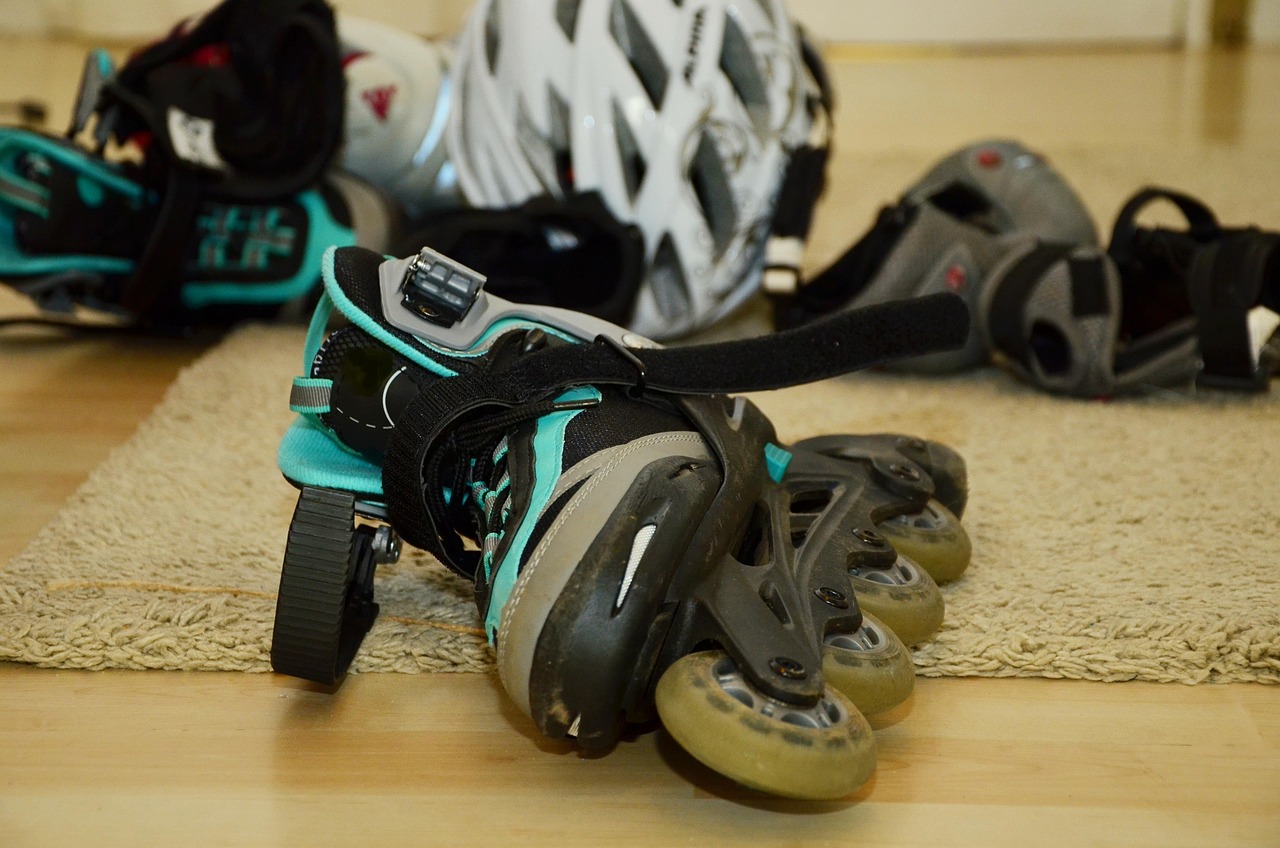
Falling while inline skating is inevitable, especially if you are a beginner. Therefore, learning how to fall safely is an essential skill that every skater must acquire. Using proper technique can significantly reduce the risk of injury. Your first step should be to relax your body as you feel yourself losing balance. Tensing up increases the chance of injuries. As you begin to fall, try to protect your head by keeping it tucked and away from the ground. Shift your weight forward slightly to distribute the impact. Aim to roll onto your side rather than landing on your wrists or directly on your knees. This technique will help disperse the energy of the fall rather than concentrating it on one area. Wearing protective gear such as a helmet, wrist guards, knee pads, and elbow pads is also recommended. This gear significantly cushions your body during falls, lowering the chance of serious injuries. Lastly, practice rolling and falling in a safe environment until this technique feels comfortable. This will prepare you better for real-life situations where falls are more likely to occur.
Another essential aspect of falling safely is understanding your body’s mechanics. When you fall, your instinct may be to try to catch yourself with your hands. However, this can lead to serious injuries like fractures. Instead, focus on using the fleshy parts of your body to absorb the fall, such as your thighs and hips. When you find yourself in a fall, keep your arms slightly bent at your sides to prevent them from being forced outward. By falling more towards your side, you engage larger muscles that can disperse the impact. After mastering falling techniques, practice them by intentionally falling in a controlled environment. This could be a grassy area or a soft surface. You might also want to team up with a friend or find a local skating group to practice together. Having someone else nearby can offer support and reassurance. Always remember, every skater falls, and it’s a natural part of the learning process. The key is not to let fear hold you back but to learn how to fall correctly and safely. This knowledge will help boost your confidence to skate more freely.
Furthermore, practicing safe falls will ultimately enhance your overall skating experience. When you’re more confident in your ability to fall without the risk of injury, you can push yourself to try new tricks and stunts. Every successful fall offers invaluable lessons about balance, weight distribution, and body control. These lessons are crucial in improving your skating skills. To practice effectively, consider integrating falling drills into your skating sessions. Start your session with a warm-up, followed by a series of intentional falls from various speeds and angles. Review your technique afterward, noticing areas for improvement. Make sure to skate in a safe environment where you can practice freely without distractions. It can also be beneficial to watch professional skaters and learn from their techniques. Not only will this inspire you, but it will also provide insights into how they manage falls during their routines. Keep in mind that each skater has a unique style, and observing these variations can help you find what works best for you during falls. Eventually, what starts as cautious skimming over the pavement can gradually evolve into exciting progress.
Practice Makes Perfect
As you become more accustomed to your falling technique, consider refining your overall skating ability. A combination of good technique, confidence, and proper equipment will elevate your experience without undue concern about falling. Alongside mastering falls, concentrate on balancing drills and practicing core-strengthening exercises. Core strength is foundational for improved balance, ultimately contributing to safer landings in case of unexpected falls. Engage in routines such as planks, leg lifts, and balance exercises with a stability ball. Each of these workouts builds body stability, thus enabling you to skate more fluidly and deftly. Whether you skate at the park or on the street, the goal is to maintain a central balance while moving. When dynamic skating movements are performed correctly, the likelihood of falling diminishes greatly. Remember to take your time learning each skill. Don’t rush into advanced tricks until you’ve mastered the fundamental techniques. Steadily progress allows your body to adjust and respond better to skating conditions. Over time, this leads to increased confidence, allowing you to push boundaries and achieve new goals.
Another critical aspect of your falling practice should involve learning how to avoid gravity. This is about using your surroundings to assist your fall. For instance, falling onto a soft surface like grass or away from sharp objects is beneficial. Always remember to look around your skating area. Identify potential hazards before you fall and plan accordingly. This may sound simple, but mindful skating can drastically minimize accidents. In addition, become familiar with skater etiquette and develop a keen sense of where other skaters may be around you at all times. Proper situational awareness will alert you to nearby dangers. For advanced skaters, develop the skill of incorporating turns and maneuvering out of falls. Practice intentionally routining falls while navigating through tricky paths or obstacles. As your skills improve, creating an escape plan during potential falls will build your ability to respond without fear. This readiness leads to improved reaction times and smoother fall transitions. Remember, with every fall you learn, you are adding valuable experience to your skating journey.
Stay Motivated Through Your Journey
Staying motivated during your skating journey is vital to your overall experience. Recognize that falling is a part of both inline skating and the growth process. Keep a positive outlook on your improvements rather than dwelling on the negatives. Set small, achievable goals for each skating session. Whether it is perfecting your fall techniques or skating for a longer distance, accomplishing these goals can help maintain enthusiasm. Share your achievements with fellow skaters or friends, as their encouragement can boost your morale significantly. Celebrate your efforts and improvements in your skating abilities. Monitor your progress by keeping a journal detailing your falling experiences and tips learned over time. Lastly, remember to enjoy the journey of learning and refining your skills because every skater has faced their falls. The road to proficiency in inline skating is filled with patience and practice. Your determination to learn and improve will bear fruit over time. Combine your enthusiasm with the techniques mentioned in this guide, and you’ll quickly find yourself mastering the art of falling safely and skating confidently.
In conclusion, learning how to fall safely when inline skating is crucial for reducing injuries and enhancing your experience. Implementing the techniques discussed in this article will not only provide protection but also contribute to your development as a skater. Remember to relax your body, use your legs and hips to absorb falls, and protect your head and arms. Acquiring a habit of intentional falling practice will instill a sense of confidence as you navigate diverse skateboarding environments. Complement your skills with physical conditioning and situational awareness to significantly lower your chances of falling. Encourage yourself to enjoy skating wholeheartedly regardless of setbacks; after all, every fall can teach a valuable lesson. Share your experiences with others, and leverage the camaraderie of fellow skaters to maintain motivation during learning phases. Continue refining your techniques and achieving small victories in your skating journey. With patience, practice, and a positive mindset, you will surely overcome challenges and become a skilled inline skater. Ultimately, the key is to embrace the art of falling safely, allowing you to triumphantly progress on your inline skating adventure.