
Improving Thoracic Spine Mobility for Golfers: Essential Equipment
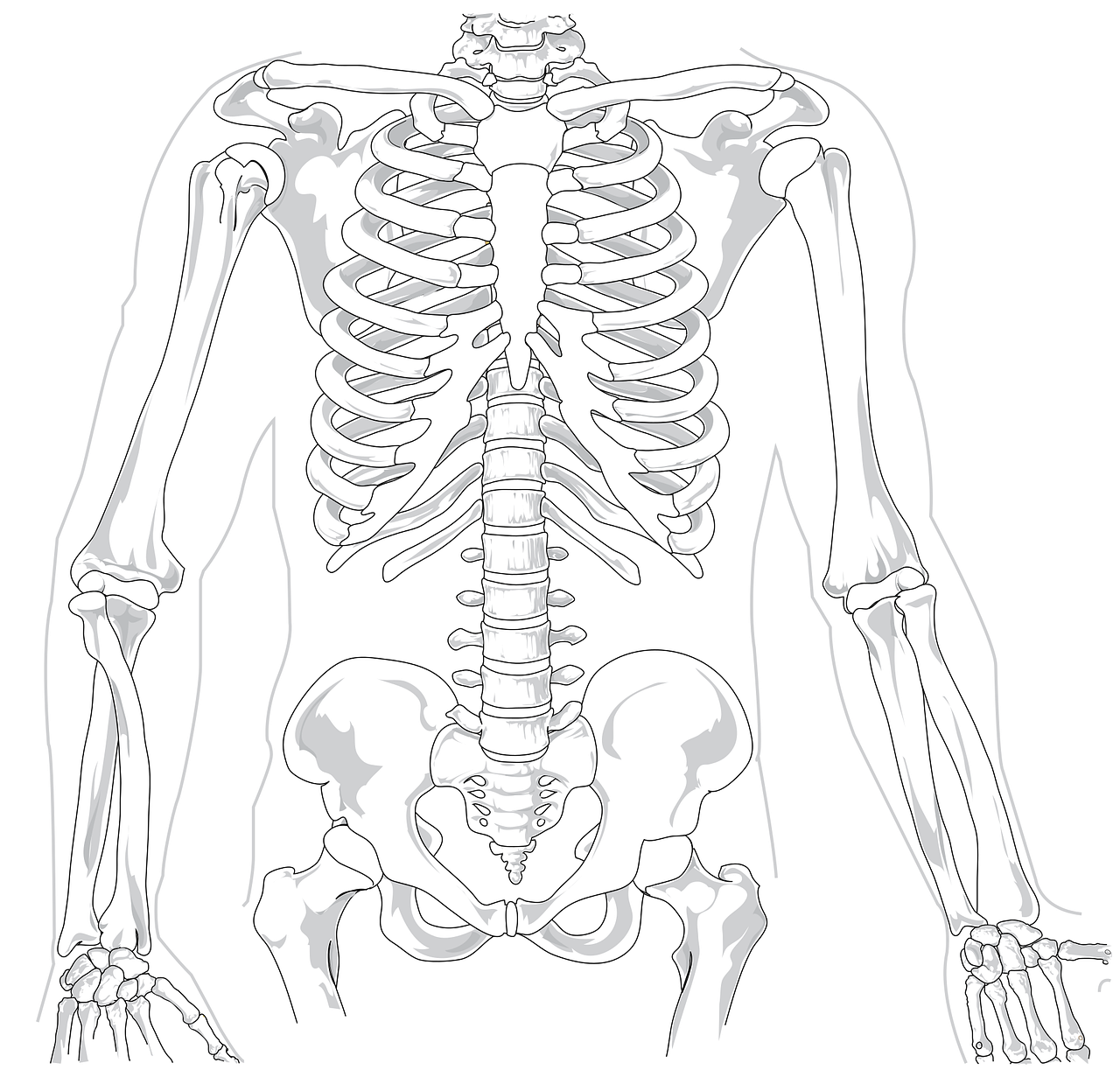
Golfers often overlook the importance of thoracic spine mobility, yet it plays a crucial role in achieving an effective swing. Improving this aspect of mobility can significantly enhance performance and reduce the risk of injury. Incorporating specific mobility tools can assist golfers in achieving the necessary range of motion. Resistance bands, foam rollers, and mobility sticks are popular choices in the golf fitness community. Utilizing these tools can help target the thoracic spine effectively. Resistance bands provide a dynamic way to improve flexibility and strength, while foam rollers target muscle tightness. Mobility sticks aid in alignment and stability during exercises aimed at increasing thoracic mobility. By investing time with these tools, golfers may discover marked improvements in their swing mechanics. Enhanced thoracic spine mobility allows for greater rotation during backswing and follow-through phases. As a result, golfers can create more power while minimizing stress on lower back and shoulders. Incorporating a few mobility exercises into daily routines yields substantial benefits over time. Overall, prioritizing thoracic spine mobility opens the door to improved performance on the golf course.
One effective tool for improving thoracic mobility is a foam roller. Foam rolling specifically targets tightness in the thoracic spine area, which can assist in maintaining proper posture during swings. To use a foam roller, lie down on it horizontally with the roller positioned under your upper back. Gently roll back and forth to release tension in the muscles surrounding the spine. By performing this technique, you not only alleviate tightness but also enhance your flexibility. Incorporating regular foam rolling sessions into your routine enhances circulation and promotes better muscle recovery after workouts. Golfers can combine foam rolling with specific stretches for maximum effectiveness. Consider pairing it with thoracic spine rotations, where you sit up tall and twist your upper body towards one side, then alternate. This can help reinforce the mobility benefits gained from foam rolling. Another tool, the resistance band, offers a different approach. Attaching it to a stable object allows golfers to perform rotatory exercises to improve thoracic mobility. By working on these exercises diligently, improvements in overall swing mechanics can be achieved.
Mobility sticks serve as another valuable tool in enhancing thoracic spine flexibility. These sticks help golfers visualize their movements while encouraging proper alignment. Many golf fitness enthusiasts swear by mobility sticks for their dual approach to exercise and feedback. When holding the stick behind your back, it encourages opponents to extend their range of motion while preventing over-rotation or improper form. Move your upper body while maintaining contact with the stick against your back. This ensures a controlled movement while promoting fluidity. Additionally, mobility sticks provide excellent guidance during dynamic stretches. Many golfers incorporate mobility sticks into their pre-round routines to ensure their thoracic spine is adequately warmed up and ready for action. Using these sticks to perform specific drills can significantly impact swing consistency. For those who struggle with range of motion, learning proper techniques with mobility sticks enhances self-awareness, stimulating better body control. Combining mobility sticks with traditional weight training exercises helps develop core strength, which supports overall stability. The synergy created between these tools leads to significant improvements in performance.
Prioritizing Mobility in Training
A holistic approach to golf fitness should prioritize thoracic mobility in conjunction with strength training. Focusing solely on strength can lead to tightness in the muscles responsible for rotation. Striking a balance between strength and mobility exercises will yield optimal results for golfers. Incorporating dynamic stretching routines that involve the thoracic spine contributes to mobility improvement. Routine activities like tennis and swimming also engage the thoracic spine, providing an excellent cross-training opportunity. Pairing these activities with specific mobilization tools enhances the efficacy of workouts. Moreover, resistance bands can be used alongside traditional weightlifting exercises to reinforce shoulder stability. Strengthening these areas contributes to enhanced thoracic movement during swings. Incorporating mobility work post-workout aids in recovery while preventing future injuries. Golf-specific workouts should never neglect mobility training; otherwise, it can undermine performance efforts. By focusing on functional movements that enhance thoracic mobility, golfers can transform their game without excessive strain. Staying mindful of the body mechanics during training leads to long-term success and enjoyment on the course.
Educating oneself about the benefits of proper thoracic mobility is essential for golfers seeking to enhance their game. Workshops and instructional courses often highlight the impact of mobility on swing efficiency and overall performance. Engaging with certified trainers who specialize in golf fitness ensures that golfers receive accurate guidance tailored to their needs. In addition, online resources provide a wealth of information on exercises and mobility tools available to players. Utilizing these resources provides valuable insights into the implementation of equipment in regular routines. Seeking out peer support within the golf community can also support adherence to mobility training, creating a culture of learning and improvement. By holding each other accountable, golfers are less likely to skip critical mobility sessions. Implementing a progressive plan that involves gradually increasing difficulty levels keeps players motivated. Sticking to a schedule for mobility exercise while tracking progress fosters a sense of accomplishment. As a result, tracking specific milestones and improvements encourages a dedicated approach to golf fitness. Ultimately, investing in knowledge leads to better results on and off the course.
For golf enthusiasts and professionals alike, integrating mobility tools into a routine fosters significant benefits. The physiological advantages of improved thoracic spine mobility translate into measurable performance enhancements. Not only does this mobility reduce the risk of injury, but it also allows for greater versatility in swings, contributing to accuracy. By understanding the links between mobility and performance, golfers can gain a competitive edge on the course. Choosing the right mobility tools tailored to personal needs is a game-changer. This means identifying weaknesses and selecting tools that address specific concerns related to thoracic mobility. Trials with multiple equipment types may be necessary to determine what works best for each individual. Alongside professional training, continuous feedback and self-assessment will aid in refining mobility exercises. Incorporating recovery days focused on mobility can also significantly enhance results. Allowing for proper muscle relaxation helps prevent overuse injuries, maintaining long-term participation in the sport. The rewards that arise from effective training go beyond improved scores; they lead to an overall enhanced enjoyment of the game.
Wrapping Up
Embracing a consistent mobility routine is essential for golfers who wish to elevate their game. The interplay between thoracic spine mobility and swing mechanics embodies the foundation of effective golfing. Understanding how to properly utilize mobility tools offers a competitive advantage while enhancing physical capabilities. Therefore, golfers should actively seek out ways to incorporate tools like foam rollers, mobility sticks, and resistance bands into their training regimens. Committing to regular practice fosters a strong connection between increased mobility and performance outcomes. In doing so, players not only improve their game but also become more resilient to injuries. Collaborative efforts within the golfing community, weight training elements, and expert guidance create an environment ripe for progress. The long-term benefits of enhanced thoracic spine mobility and functionality will manifest throughout a golfer’s career. As improvements in swing mechanics are realized, the confidence gained from these efforts translates into improved enjoyment on the course. Ultimately, the journey of continuous learning in golf fitness and mobility will allow players to achieve their fullest potential.
In summary, improving thoracic spine mobility is vital for golfers aiming for peak performance. Utilizing the right equipment, such as foam rollers, mobility sticks, and resistance bands, significantly aids mobility enhancement. By fully embracing a blend of strength and mobility training, athletes can forge the optimal performance pathway. Engaging with qualified fitness professionals ensures best practices for exercise implementation are consistently maintained. Golfer commitment to mobility training transforms their ability and enjoyment of the sport while minimizing injury risks. Continuous education about the importance of mobility can inspire lasting change and improvement. Efforts directed towards increasing thoracic mobility positively affect swing dynamics and overall golf proficiency. To conclude, golfers should invest in their fitness journey by prioritizing thoracic spine mobility alongside traditional strength-training routines. This commitment leads to a lifetime of golfing enjoyment, fulfillment, and many more successes on the course.