
Scaling CrossFit Workouts When Training at Home
Home workouts have gained popularity, especially among CrossFit enthusiasts. Scaling CrossFit workouts effectively at home allows individuals to maintain their fitness levels without compromising safety or effectiveness. To start, identify the key movements commonly found in workouts and select suitable alternatives that match your fitness level. Modifying the intensity, duration, and complexity of a workout ensures that you are engaging your body adequately while also allowing for recovery and proper form. Don’t hesitate to decrease weights, adjust repetitions, or change exercises that may not be accessible without the required equipment. Always prioritize functional movement patterns to avoid injury. Furthermore, make use of everyday items at home to foster creativity; for example, use backpacks filled with supplies for weightlifting or sturdy chairs for box jumps. By being resourceful, you can transform your living space into a versatile gym. Remember, the primary goal is to maintain consistency. Aim to create a routine that can keep you engaged, celebrate small victories, and track your progress. This will not only keep you motivated but also help you achieve long-term fitness goals while effectively scaling your CrossFit workouts at home without compromising quality.
Next, focus on skill development as a vital aspect of your CrossFit training. Many individuals overlook this component when working out at home. Dedicating time to practice foundational movements like squats, deadlifts, or overhead lifts will not only improve your overall performance but will also enhance your confidence levels. You might not have access to a coach or supervision at home, so it is crucial to utilize online resources and video demonstrations for guidance. This can help you perfect your form by observing experienced athletes. During your practice sessions, concentrate on slow, controlled movements which promote better muscle engagement and learning. Establish a balanced training approach that includes flexibility and mobility work to complement strength training. In addition, the inclusion of recovery days ensures that you allow your body to mend and grow stronger. Stretching routines, yoga, and foam rolling can be done easily at home and will aid recovery. Sharing your achievements, challenges, and fitness journey with friends or online communities can create a supportive environment. It helps you stay accountable while finding encouragement in others on similar journeys, enhancing your home training experience.
Utilizing Technology for Effective Scaling
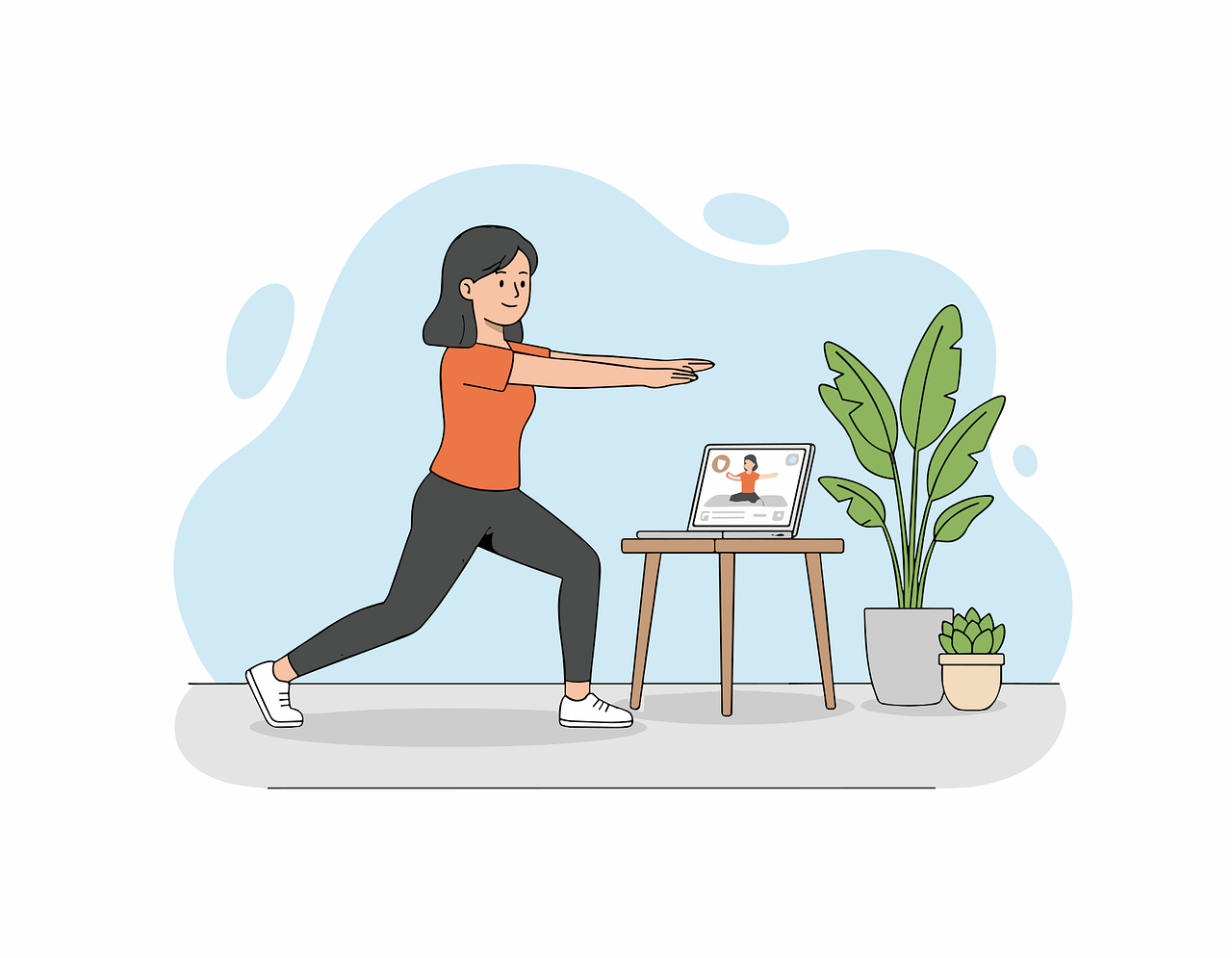
Embracing technology can enhance your experience when scaling CrossFit workouts at home. Many apps and online platforms offer tailored workout plans that cater to various fitness levels and goals. These applications usually include video demonstrations, community forums, and progress tracking, enabling you to engage fully with your training. Consider utilizing virtual coaching sessions, where professionals can observe your form in real time, providing immediate feedback on your performance. This interactive support can help you navigate through complex movements safely while ensuring correct techniques are utilized. Group classes via video conferencing have also become increasingly popular, allowing individuals to train together for motivation. Competing with fellow participants can enhance your workout intensity, pushing you to reach new milestones. Equally, online workouts often offer scalability options, helping you adjust the workout to your abilities. Furthermore, don’t shy away from social media; platforms like Instagram and YouTube provide fitness experts and enthusiasts who can inspire your training. Follow them for routine ideas, scaling options, and valuable tips that can lead to progressive performance improvements, even in your own home environment.
Physical readiness must encompass various fitness elements, including strength, stamina, agility, and flexibility. When scaling workouts, it’s important to consider how each of these areas can be addressed effectively. Set aside days specifically to work on your strength through weightlifting, adjusting the weights to suit your current capabilities. Cardio exercises can also be incorporated into your routines, such as running, cycling, or bodyweight exercises. For stamina, consider high-rep workouts that allow your heart rate to elevate, such as AMRAP (as many rounds as possible) or EMOM (every minute on the minute) styles. When focusing on flexibility, dedicate time to yoga and dynamic stretching routines, which not only improve mobility but also form an essential part of your recovery process. Make sure to warm up before any workout session to prevent injury, and always allocate time for cooling down afterward. By diversifying your training approach, you effectively manage fatigue while ensuring that you continue progressing through your scaled workout routines. Enjoyment and variety are key to sustaining long-term engagement in fitness, so feel free to modify your schedule as necessary!
The Importance of Nutrition While Training at Home
Your nutrition plays a crucial role in enhancing your performance while scaling CrossFit at home. When your body is being challenged through workouts, it’s essential to fuel it with the proper nutrients that support muscle recovery and energy production. Ensure your diet includes a balanced mix of protein, carbohydrates, and healthy fats to sustain energy levels. For instance, prioritize lean protein sources like chicken, fish, and legumes to promote muscle repair and growth. Coupling these proteins with complex carbohydrates such as whole grains and vegetables provides you with sustained energy throughout your workouts. Stay hydrated before, during, and after exercise as hydration significantly contributes to performance and recovery. Additionally, consider meal prepping to streamline your nutrition. This helps you make healthier choices and stick to your diet plan. Understanding portion sizes and maintaining a food diary can also enhance your nutritional awareness, ensuring that you consume enough to support your recovery and activity levels. Developing a positive relationship with food is key, as nutrition directly contributes to your overall training effectiveness and the ability to scale these workouts comfortably.
Maintaining motivation while engaged in home workouts can be challenging. One effective strategy to combat this involves setting specific, achievable goals tailored to your unique fitness level. Instead of committing to vague objectives, think about measurable targets, such as improving your time for a particular workout or increasing your max weight for a specific lift. Break these goals into smaller milestones to help visualize your progress over time. Another way to encourage motivation is by creating a workout schedule that establishes a routine. Treat your home workouts as you would any other commitment to ensure consistency. Additionally, consider incorporating rewards to celebrate your accomplishments, whether small or large. This could be enjoying a favorite meal or purchasing new workout gear. Engaging with family or friends while working out can also provide motivation, as you encourage each other. Establishing a workout buddy system or joining an online group can offer support and accountability. Above all, embrace the journey of scaling CrossFit workouts at home and remain adaptable. Cherishing the process allows for growth, both physically and mentally, while building a sense of accomplishment and satisfaction.
Conclusion: Embracing Scalability in CrossFit
As you embark on your journey scaling CrossFit workouts at home, remember that creativity and adaptability are your greatest assets. Combining modified exercises with bodyweight movements allows for a full-body workout while staying in tune with your current fitness capabilities. Regularly assessing and adjusting your workouts keeps you engaged and challenged throughout your fitness experience. Developing a sense of commitment, creativity in exercise selection, and incorporating technology can all contribute to a fulfilling home workout regimen. Nutrition should never be overlooked; it maintains energy levels while enhancing recovery. Seek out resources that encourage progress while fostering a supportive community around you, whether that’s friends, family, or online groups. Aim to hold yourself accountable as you track your progress and share it with others. By embracing scalability in CrossFit, you prioritize personal safety without sacrificing the effectiveness of your training. Your physical journey is uniquely yours; enjoy and honor every step taken while achieving your goals. Celebrate your accomplishments and know that each effort, no matter how modest, is leading you toward a stronger, healthier version of yourself while working out at home.