
Shaolin Kung Fu: Origins and Techniques
Shaolin Kung Fu, also called Shaolin Wushu, has fascinating historical origins that intertwine with the Shaolin Temple located in Henan Province, China. It dates back to the 5th century when Indian monk Bodhidharma introduced meditation and martial practices to the monks for both physical and spiritual health. Over time, this fusion evolved into a comprehensive system of martial arts recognizable today. These techniques not only enhanced the monks’ physical prowess but also contributed to their discipline and spiritual enlightenment. The styles are characterized by swift movements, acrobatic kicks, and unique postures inspired by animal movements, such as the tiger and crane. The teachings emphasized self-discipline, respect for life, and the importance of technique over brute strength. This rich tradition has influenced various martial arts worldwide and established a historical legacy. Modern interpretations have emerged that retain traditional elements while adapting to contemporary practices. Learning Shaolin Kung Fu offers many benefits, including physical fitness, mental focus, and self-defense skills, attracting practitioners of all ages and backgrounds. In this article, we will explore the various aspects that make Shaolin Kung Fu one of the most admired martial arts globally.
Core Techniques and Principles
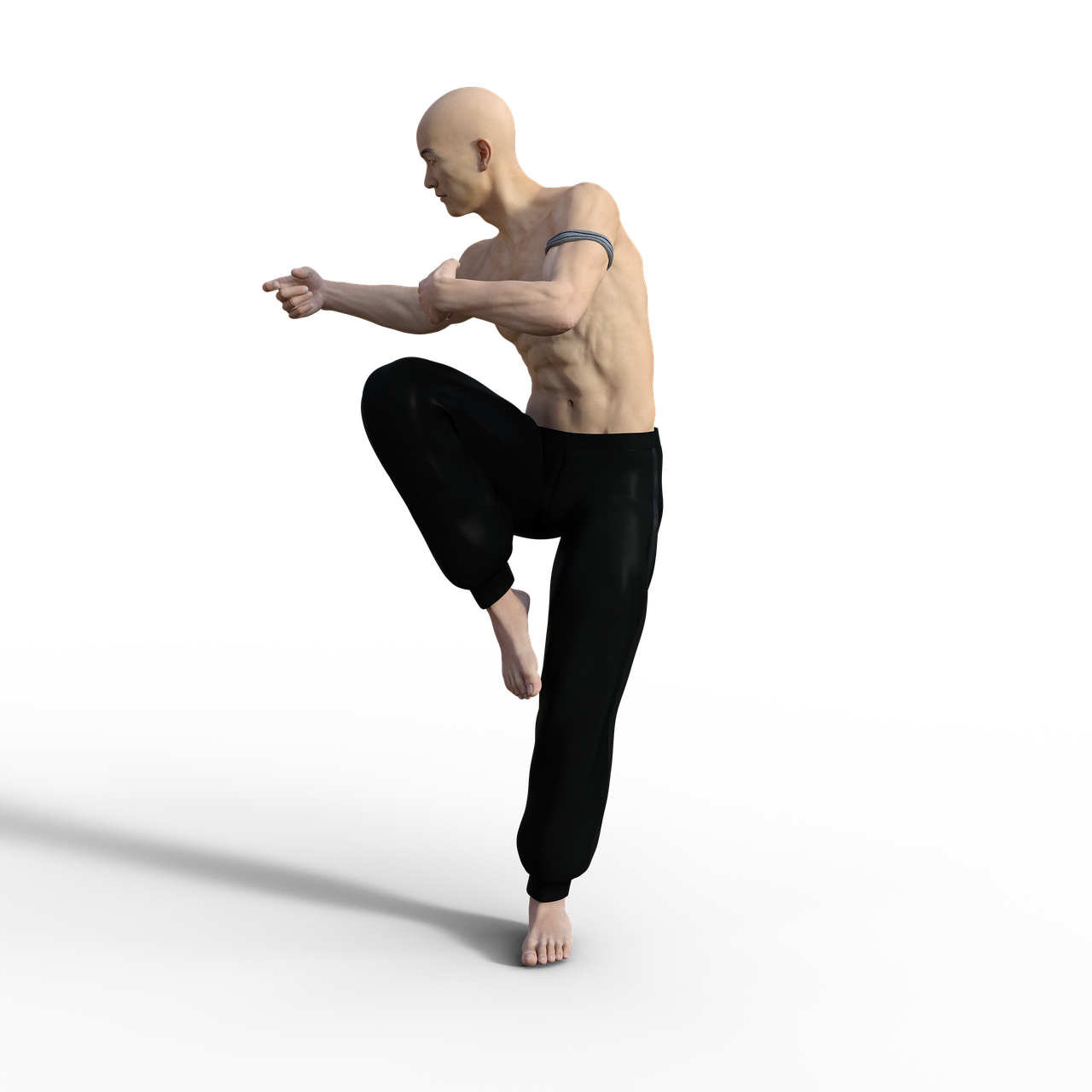
The core techniques of Shaolin Kung Fu are centered around a combination of powerful and rhythmic movements aimed at maximizing efficiency. Practitioners learn strikes, blocks, and kicks along with complex forms, facilitating fluid motion during combat. Key techniques include the Wing Chun palm strike, low stances for stability, and high kicks for agility. Moreover, stances such as the horse stance and bow stance serve multiple purposes, aiding in balance and power generation. Shaolin training includes traditional weapon methods that incorporate swords, staffs, and spears, further showcasing its versatility. Beyond physical prowess, Shaolin Kung Fu emphasizes mental discipline and self-control. The lessons learned through rigorous training extend beyond the dojo, promoting patience, resilience, and self-awareness among practitioners. Meditation plays a crucial role in integrating mind and body, allowing students to achieve a calm focus amid chaos. Various forms and sets help practitioners internalize techniques while enhancing stamina and flexibility. The principles taught highlight the importance of respect, humility, and harmony, fostering strong moral characters. Understanding these foundational techniques provides insight into the art, attracting many to learn the elegance and effectiveness of Shaolin Kung Fu.
Training in Shaolin Kung Fu involves a blend of rigorous physical conditioning and mindful practice. Students perform various exercises to develop technical skills, including stance training, shadow boxing, and full-contact sparring. Stamina-building methods such as running, jumping, and strength training are incorporated into sessions to improve overall fitness. Practitioners are often encouraged to train in groups, allowing for sharing knowledge and sparring experience. Over time, advanced students learn to demonstrate forms or sets, integrating multiple techniques into sequences that build fluidity and creativity. These forms serve to preserve traditional techniques while enhancing individual style and expression in practice. Students receive guidance from skilled masters who impart wisdom alongside martial techniques, ensuring that the spirit of Shaolin is maintained. Regular practice enables students to adapt under pressure and respond effectively during combat situations. Additionally, progression in martial skills often leads to greater understanding and respect for the history of the art. Initiates of Shaolin Kung Fu experience a transformation not just physically but also in their approach to life, reflecting a comprehensive development that encompasses mental, emotional, and social dimensions beyond the dojo.
Shaolin Kung Fu is characterized by different styles, each reflecting unique techniques and philosophies. For instance, the northern style emphasizes longer stances, high kicks, and acrobatic movements, while the southern style focuses on shorter stances and direct strikes. Variants such as Drunken Boxing and Tiger Claw present distinctive methodologies that enhance adaptability in combat scenarios. Notably, the unique nature of these styles illustrates Shaolin’s vast adaptability, enabling practitioners to tailor their training to individual strengths and preferences. As martial arts evolve, Shaolin continues to inspire variations globally, merging with other disciplines to create innovative styles. This evolution speaks to its resilience and interconnectedness with culture, allowing Shaolin Kung Fu to maintain relevance. Modern competition settings often showcase these diverse techniques, with performers demonstrating artistry and skill through well-choreographed forms. Beyond competition, practitioners adapt these traditional methods for self-defense scenarios, cultivating skills that translate beyond the martial arts environment. The exploration of these styles offers insight into intricate techniques and the thematic messages that embody the Shaolin spirit of perseverance, unity, and respect in practice.
Mind-Body Connection
At the heart of Shaolin Kung Fu lies a profound mind-body connection that enhances physical and mental abilities. Practitioners learn to synchronize their breath with movement, promoting mindfulness during training. This essential practice cultivates focus, enabling students to engage fully with their techniques and forms. Meditation in Shaolin also assists in developing this connection, fostering a tranquil state that sharpens self-awareness and presence. The emphasis on breathing techniques aids in energy management, allowing practitioners to regulate their stamina and power output effectively during training and performance. Implementing this mind-body balance encourages emotional regulation, helping students handle upper pressures both inside and outside the dojo. Building this connection leads to a heightened sense of awareness, enabling instinctual responses in dynamic situations. This comprehensiveness not only strengthens martial proficiency but translates into life skills such as patience, strategic thinking, and resilience. Additionally, practitioners often find that their competence in martial arts positively influences their daily lives, promoting a healthier lifestyle and stress management approaches. The journey of mastering this connection is rewarding in itself and has contributed to the global appeal of Shaolin Kung Fu.
As Shaolin Kung Fu continues to evolve, its influence can be seen far and wide across the globe. It has transitioned from a temple-based training to informal groups and schools, where enthusiasts gather to share knowledge and experience. Many international competitions now celebrate Shaolin techniques, welcoming performers from various backgrounds. This exposure fosters an inclusive atmosphere that allows diverse expressions of martial arts while maintaining traditional elements. The vibrant community around Shaolin Kung Fu fuels ongoing development, preserving the art while inspiring new techniques. Online platforms and social media also contribute to the spread of knowledge, allowing practitioners to connect and share resources. Various styles preserve different aspects of traditional training, ensuring that history remains linked with modern practices. These platforms encourage practitioners to transcend geographic limitations, creating a global network where inspiration, motivation, and collaboration flourish. As more people learn this fascinating discipline, the Shaolin philosophy of harmony, respect, and discipline disseminates, enriching lives beyond traditional martial arts settings. The cultural significance of Shaolin Kung Fu ensures that its teachings will continue to impact generations to come, making it a vital aspect of martial arts history.
Conclusion
In conclusion, Shaolin Kung Fu represents a time-honored tradition that has transformed from its religious roots into a revered martial art practiced worldwide. Its historical significance, unique techniques, and philosophical teachings provide a comprehensive framework for personal development and physical fitness. The intricate dance between martial skill and mental focus emphasizes the deeper meanings behind martial arts, promoting values that resonate with students. The mind-body connection nurtures individuals seeking balance in their lives while cultivating self-defense skills through disciplined practice. This art form continues to inspire a growing community of learners, blending tradition with modern relevance, leaving a lasting legacy on martial arts culture. As students delve into its depths, they discover not merely a technique but a path for growth, resilience, and mastery. While adopting various styles and adapting to contemporary practices, Shaolin Kung Fu will remain a pillar in martial arts communities. Its teachings encourage mastery that transcends physicality, balancing the body, mind, and spirit. Ultimately, evoking the spirit of Shaolin leads to the realization of personal capabilities and strengths, reflecting the timeless appeal of this revered martial art.