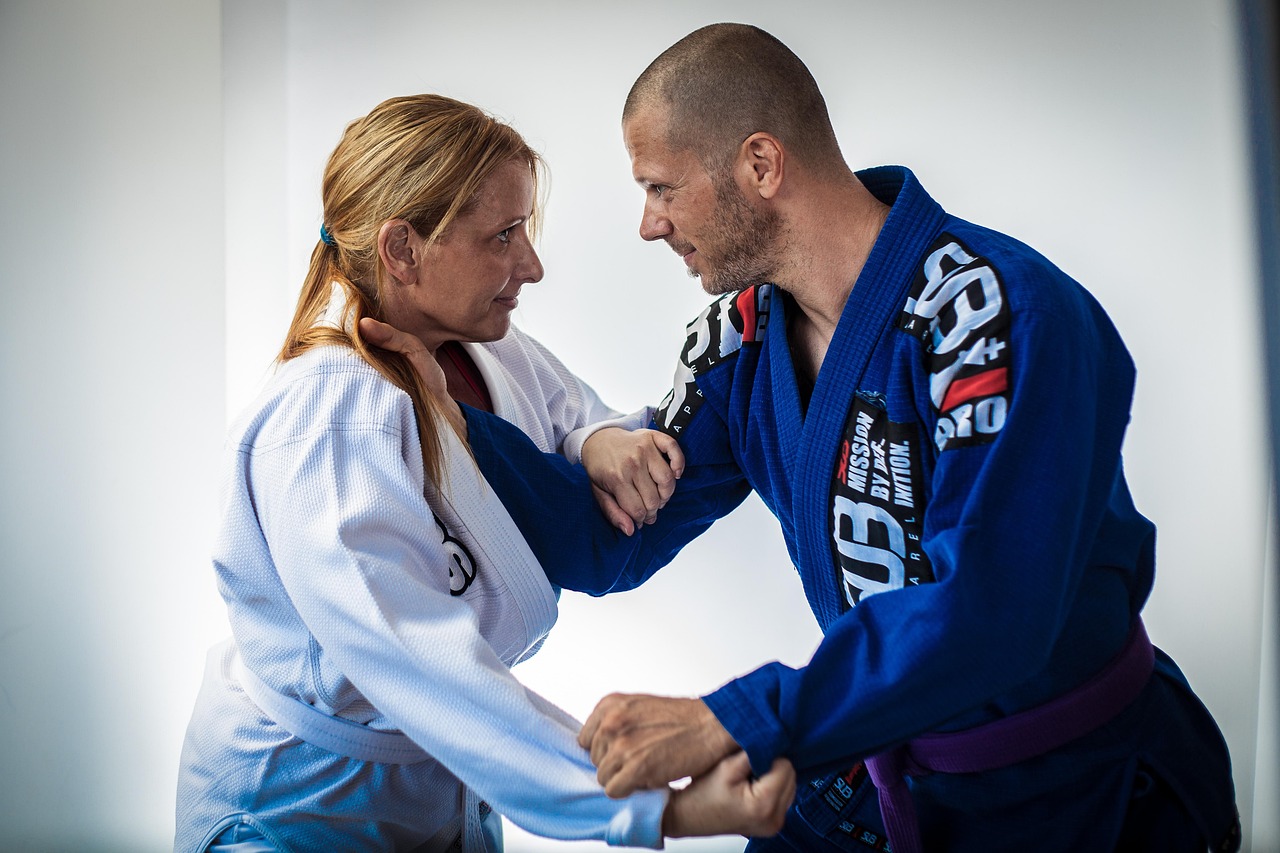

The Evolution of Grappling Techniques in Modern Self-Defense
Grappling techniques have long been a pivotal aspect of self-defense, evolving significantly through history. Initially, these techniques were rooted in traditional martial arts, where practitioners emphasized throws, locks, and joint manipulations. Today, grappling has adapted to include influences from various combat sports and practical self-defense scenarios. The modern approach incorporates systematic training methods and diverse techniques suited for real-life encounters. Practitioners now experience a holistic understanding of grips, balance, and leverage, which empower them to react intelligently under pressure. Increased awareness of functional movement patterns contributes to the effectiveness of grappling techniques in self-defense. Cross-training in disciplines such as Brazilian Jiu-Jitsu, wrestling, and judo has fostered an environment of continuous improvement and adaptation. This blending of styles works to create more proficient fighters. Today’s grapplers engage with various tools, including strength and conditioning regimens, to enhance their grappling abilities. Additionally, the integration of mental discipline and strategy is essential in modern self-defense training. Essentially, technological advancements, research of combat psychology, and physical conditioning now shape how grappling techniques are taught across the globe, resulting in a more effective and adaptable practitioner.
As grappling techniques evolve, they also reflect cultural shifts in individual preparedness and self-defense philosophies. An increasing number of women are participating in self-defense workshops and training, leading to a significant change in how grappling systems are perceived. Inclusive training environments encourage women to embrace grappling as a viable self-defense option. This shift has generated increased awareness of effectiveness among practitioners, emphasizing the importance of situational awareness and escape techniques. Workshops specifically catered to women’s self-defense utilize various grappling principles to teach effective strategies against larger aggressors. Through focused training sessions, women learn to apply joint locks and leverage to escape hostile situations. This empowers women with the skills necessary to defend themselves. Furthermore, the adoption of grappling techniques in self-defense classes for children promotes important life skills while building confidence. Techniques that focus on balance and spatial awareness are particularly beneficial for younger practitioners. Growth in these diverse markets is a clear reflection of society’s changing expectations concerning self-defense training. Grappling, which may have once been viewed as purely competitive, now finds its place as a vital component of comprehensive self-defense curricula.
Integration of Technology in Grappling Training
As grappling techniques continue to evolve, the integration of technology profoundly impacts training methodologies. Video analysis software and wearable tech have become significant assets for grapplers, allowing detailed assessments of movement and performance. Many self-defense schools now employ video playback during training sessions. This method helps participants identify mistakes while refining their techniques effectively. Furthermore, grapplers benefit from virtual reality simulations and interactive training apps that replicate real-world scenarios, enhancing decision-making skills. These technological advancements serve as supplementary tools to traditional training while promoting an engaging learning experience. They encourage practitioners to analyze their progress continuously. Additionally, grapplers can record their training sessions, sharing techniques or strategies through online platforms. This fosters a sense of community where individuals learn from each other while discussing various grappling techniques and principles. Online forums and social media also facilitate access to expert opinions, expanding the grappling community beyond geographic limitations. Grappling’s evolution amidst technology assures practitioners that they can continuously adapt and train effectively, regardless of their environment. This progressive response to the challenges posed by modern self-defense situations supports the idea that learning grappling is now more accessible than ever.
The recent emphasis on functional fitness plays a crucial role in the evolution of grappling techniques. By prioritizing strength, flexibility, and endurance, grapplers can improve their overall performance, making them better equipped for self-defense scenarios. Functional training places focus on specific movements and actions found in grappling disciplines, and is not limited to traditional gym settings. Instead, it utilizes various exercises and techniques that simulate the motions required during grappling engagements. This approach helps build stronger, more capable grapplers, ultimately enhancing their self-defense abilities. Moreover, practical training incorporates strategies for minimizing risk and maximizing safety during sparring and workouts. Grapplers learn to engage dynamically while preserving their well-being and that of their training partners. This method fosters a strong sense of responsibility within the grappling community. As grappling techniques adapt to these fitness trends, practitioners are encouraged to maintain flexible thinking. Thus, they develop the ability to react spontaneously to the physical demands of various aggressive situations. Ultimately, engaging in functional fitness translates to improved grappling performance, empowering individuals to increase their self-defense efficacy in real-life scenarios.
Grappling in Diverse Self-Defense Systems
Modern self-defense training increasingly incorporates grappling techniques not just as standalone elements but as integral parts of diverse systems. As instructors discover the value of grappling in close-range confrontations, many self-defense systems embrace elements from various grappling styles. This fusion ensures practitioners understand both striking and grappling techniques effectively. By diversifying their skill sets, students learn how to transition between disciplines seamlessly. Many martial arts incorporate a grappling component, teaching practitioners effective escape techniques and holds applicable in real-life encounters. The integration of grappling within self-defense curriculums serves to highlight the versatility of techniques. Students gain hands-on experience with realistic scenarios, allowing them to execute critical grappling techniques effortlessly. Furthermore, the combination of standing and ground grappling skills equips individuals with a comprehensive understanding of their options when facing potential attackers. The evolution of grappling highlights the increased necessity for adaptability. Practitioners learn that grappling serves not only as a method of control but as a fundamental aspect of an individual’s self-defense arsenal. This transformation emphasizes grappling’s relevance across aspects of personal safety, self-defense education, and training.
The accessibility of grappling techniques contributes to their evolution and incorporation into various self-defense training programs. Many practitioners seek out grappling classes, allowing them to learn from experienced instructors in a structured environment. As training schools emphasize inclusivity, grappling becomes a popular option among diverse demographics. This approach opens doors for individuals who originally perceived self-defense as out of reach or intimidating. Grappling classes often possess a welcoming atmosphere, enabling students to grow and develop their skills at their pace. As the interest in grappling continues to expand, many academies offer specialized workshops focusing on self-defense strategies. This commitment to accessible self-defense education fosters a sense of community among practitioners. Increased access to grappling training also boosts participant confidence and physical fitness levels. As students learn various techniques, their understanding of self-defense broadens beyond mere physical skills. Several participants also develop mental resilience and sharpen their conflict resolution abilities. As grappling evolves and continues to attract new practitioners, it validates its essential role in modern self-defense programs, ensuring everyone can equip themselves for potential confrontations.
Conclusion: The Future of Grappling in Self-Defense
The future of grappling in self-defense looks promising as evolving techniques adapt to modern realities. Emphasis on personal safety and combat readiness has spurred wider interest in grappling styles applicable to real-life situations. The continuous evolution of grappling techniques ensures that they remain relevant and effective. The creation of workshops, online resources, and community events fosters engagement within communities, inviting newcomers to explore grappling as part of self-defense training. As diverse grappling disciplines gain popularity, educational initiatives promote deeper understanding and inclusivity. Future training programs will prioritize a holistic approach to self-defense, blending grappling, striking, and mental preparedness. As more practitioners engage with the topic, best practices will emerge, pushing grappling techniques forward in innovative ways. Moreover, the application of technology such as social media will continue to reshape how grapplers connect and share experiences. These advancements build a cooperative training culture where individuals cultivate skills, encouraging expertise sharing. Ultimately, grappling’s evolution within self-defense training reaffirms its importance, ensuring practitioners remain adept and responsive in the face of ever-changing challenges. This journey emphasizes that grappling is a vital element in personal safety solutions, solidifying its status in contemporary self-defense education.
Gratitude for readers who acknowledge the value of self-defense training emphasizing grappling is critical. Whether novice or seasoned practitioner, grappling remains an essential facet of personal safety strategies. Emphasizing the principles of grappling ensures a well-rounded approach to self-defense. Thus, awareness, understanding, and adaptability in grappling can empower individuals to defend themselves effectively.