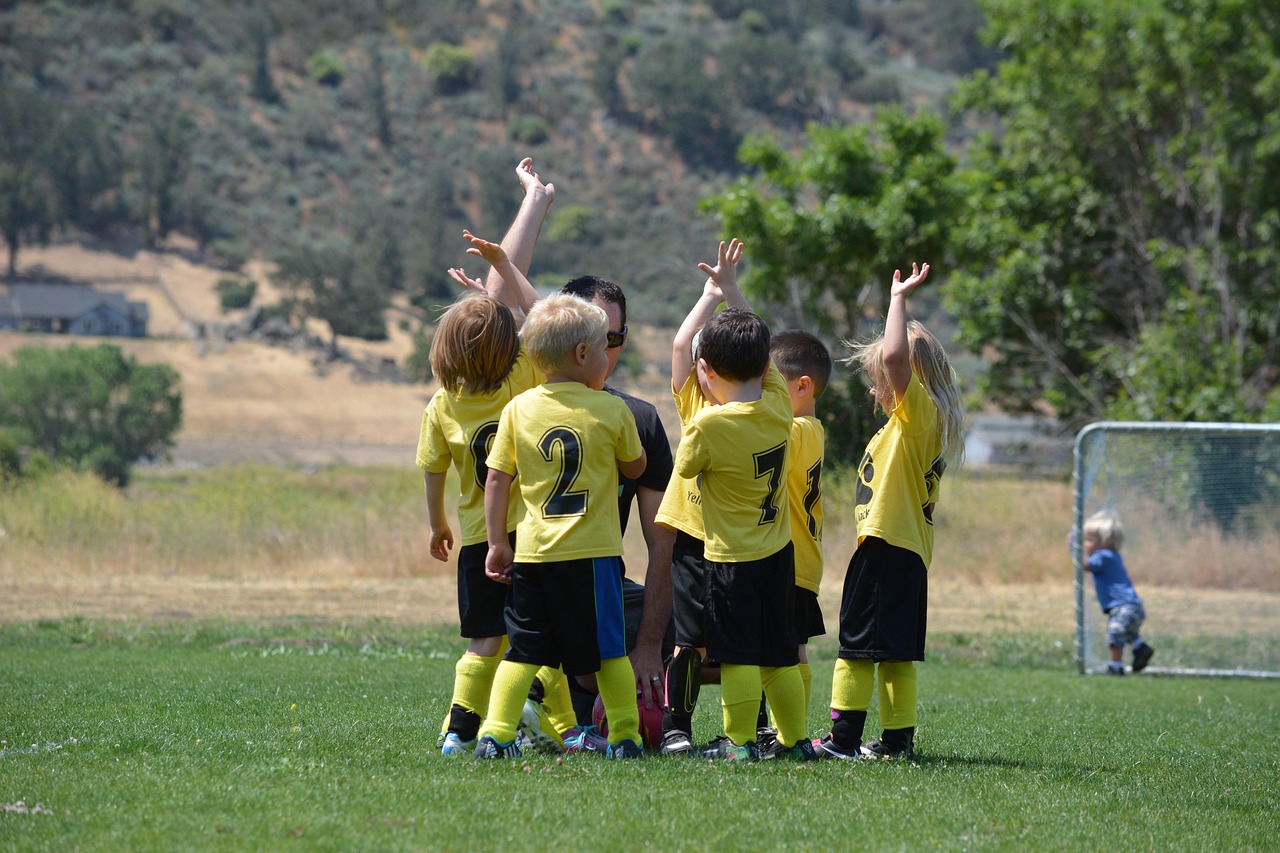

The History and Evolution of Popular Team Sports for Children
Team sports for children have a rich history that reflects societal changes and sporting evolution. Originating from adult versions, these sports aimed to imbue values like teamwork and discipline. For example, games like soccer and basketball were adapted to be more inclusive. Historically, organized youth sports began in the late 19th century, driven by the Progressive Era’s focus on child welfare. Schools started forming teams, recognizing the importance of physical activity for children’s health. This era witnessed the emergence of baseball leagues tailored for youth, emphasizing not just competition, but fun and learning. The establishment of governing bodies like the Little League Baseball in 1939 marked a pivotal shift, introducing structured play. Children began to engage in team dynamics early, fostering social interactions. Over the decades, other sports like soccer and ice hockey gained popularity among the younger demographic. By the turn of the 21st century, the diversity in team sports expanded greatly, including girls’ leagues and co-ed formats. This evolution highlights how historical influences have shaped the availability and accessibility of sports for children today, providing essential life skills through engaging physical activities.
The evolution of youth sports has been influenced by various cultural movements. In the early 20th century, the rise of leisure activities influenced children’s engagement with sports. Increased social awareness opened up avenues for youth sports programs. Inclusion became critical as women began participating more significantly in athletics. As a result, girls’ sports teams were formed, creating a space for competitiveness alongside traditional boys’ teams. Football, basketball, and soccer began incorporating female players into leagues. This trend also addressed gender equality, as young girls sought equal opportunities in sports previously dominated by boys. The 1972 enactment of Title IX significantly impacted children’s sports landscape by mandating equal funding and support for girls’ sports programs in schools. Alongside this legal framework, community organizations began to flourish, promoting team sports across various demographics. In addition, grassroots initiatives played a key role in fostering inclusivity in activity participation. Parents and local volunteers stepped in to coach and support children, providing an accessible platform for youth sports. Such initiatives not only strengthened community bonds but also instilled values of teamwork and cooperation in children.
The Role of Technology in Team Sports
The advancement of technology has dramatically transformed the experience of team sports for children. With the integration of digital tools, aspects like training and performance analysis have become more refined. Coaches now utilize apps and wearable devices to monitor players’ progress and skills. This data-driven approach enhances practice sessions and helps set individualized goals. Furthermore, social media has become a platform where teams can build camaraderie and engagement among players and parents. Clubs can share updates and organize events effortlessly, fostering a sense of community. Online resources also provide ease of access to training materials, encouraging kids to practice outside organized sessions. Video gameplay analysis offers visual feedback, allowing players to learn more effectively. Moreover, virtual reality technologies are emerging, providing immersive experiences that can simulate game scenarios for skill enhancement. On an administrative level, technology simplifies scheduling and registration processes, making involvement in team sports more accessible. These innovations not only enhance performance but also encourage engagement among young athletes, providing them with opportunities to better understand teamwork and sportsmanship principles.
Team sports for children contribute positively to physical and mental health. Engaging in such activities fosters physical fitness, helping tackle obesity and sedentary lifestyles among kids. Children improve cardiovascular health and maintain optimal weight through regular practice and competition. Emotional and psychological advantages are equally significant; team sports provide an environment where children can develop social skills. Playing as a team fosters communication, commitment, and conflict resolution abilities. Children learn how to support their teammates and handle victory or defeat gracefully. In addition, the discipline of training instills resilience, helping children face challenges with persistence. These valuable lessons extend beyond sports, preparing them for various life situations. Additionally, structured team sports offer a constructive outlet for energy and emotions, reducing stress and anxiety levels. Kids engaged in organized sports typically report better mental health and resilience. They develop a sense of belonging, crucial for emotional well-being. As team players, they gain confidence, important as they transition into adolescence. Thus, the combination of physical activity and social interaction is critical for childhood development and overall well-being, providing lasting benefits.
Global Impact of Team Sports for Children
The influence of team sports for children extends beyond just physical education; it impacts global culture significantly. Various sports have transcended geographical boundaries, creating a universal language that connects cultures. Soccer, for instance, remains the most popular sport worldwide, promoting friendships and fostering understanding among diverse backgrounds. Events such as the FIFA World Cup highlight this global phenomenon, igniting passion in young fans and athletes alike. Influences can also be observed in national celebrations and local events, where youth leagues participate enthusiastically, showcasing talent and sportsmanship. More importantly, these sports help bridge cultural divides, teaching children to appreciate differences. Playing together fosters inclusivity, leading to stronger, more cooperative communities. Additionally, as international tournaments become more common, they inspire children globally to take up sports, improving their physical and mental conditions. Through exposure to other cultures, children learn respect and empathy, essential qualities for social harmony. As a result, the role of team sports nurtures not just athletes but also global citizens aware of diversity’s richness. Connecting over shared interests demonstrates the powerful, positive impact sports can have on societal values and the fosterage of mutual respect.
Team sports face challenges, particularly in ensuring equal opportunities for all children. Barriers related to socio-economic status negatively affect participation rates, particularly in underprivileged communities. Many families lack the financial resources to enroll their children in organized sports, which leads to diminished access to these vital experiences. In response, several initiatives aim to break down these barriers, providing scholarships and grants for youth sports programs. Non-profit organizations now actively promote access, ensuring every child can participate regardless of economic background. Additionally, community outreach initiatives educate families about the benefits of team sports, encouraging broader participation. Schools also play a critical role by implementing affordable sports programs as part of their curriculum. Such accessibility ensures that children from various backgrounds can engage in physical activity and learn essential life skills like teamwork. While challenges persist, ongoing efforts aim to create a more inclusive atmosphere in youth sports. Overcoming these barriers is vital to ensure future generations of children can experience the life-enhancing benefits of team sports. It reinforces the idea that everyone should have the opportunity to participate in these beneficial activities.
The Future of Team Sports for Children
The future of team sports for children appears promising, given the ongoing emphasis on inclusion and innovation. Increasingly, there is a focus on making sports environments more accommodating, welcoming children of all abilities. Adaptive sports are emerging, allowing differently-abled children to participate alongside their peers. This development signifies a cultural shift towards embracing diversity in sports, fostering social equity. In addition, the evolution of training methodologies emphasizes skill development tailored to individual needs, enhancing enjoyment and participation rates. Enhanced coaching education programs ensure that coaches are equipped with the knowledge to support every child effectively. Additionally, there is a growing recognition of mental health’s importance in sports. This recognition paves the way for integrating psychological support systems into youth sports organizations. By promoting mental well-being, sports programs can create inclusive and supportive atmospheres where children thrive both physically and emotionally. As technology further integrates into sporting experiences, initiatives to enhance player engagement will flourish. The collaboration between schools and sports organizations is likely to deepen, ensuring comprehensive programs reach all children effectively. Ultimately, these trends promise a future where team sports foster unity, respect, and holistic development.