
The Role of Breathing Techniques in Endurance Training
Breathing techniques play a vital role in enhancing endurance performance. Proper breathing ensures that adequate oxygen reaches the muscles, which is essential for sustaining activity over extended periods. When we engage in endurance training, our bodies’ demand for oxygen increases significantly. Learning to control and optimize our breathing can enhance this oxygen intake, which benefits overall stamina and endurance. Athletes often overlook the importance of effective breathing. This oversight can lead to premature fatigue and a dip in performance levels. By incorporating systematic breathing practices, we can unlock better efficiency in our physical capabilities. Some popular techniques include diaphragmatic breathing, pursed-lip breathing, and rhythmic breathing. Each of these methods focuses on optimizing lung capacity and controlling breath rate. For example, diaphragmatic breathing involves taking deep breaths that engage the diaphragm fully, maximizing airflow to the lungs. Rhythmic breathing, on the other hand, aligns breath patterns with movement patterns — critical for sports like running. When practiced consistently, these techniques can result in improved performance metrics. Therefore, understanding and applying these breathing techniques is crucial for athletes aiming to enhance their endurance capabilities.
Mastering breathing techniques helps build mental resilience during endurance training sessions. Physical endurance often hinges on mental fortitude. Athletes must learn how to cope with discomfort experienced during long training sessions. Controlled breathing can serve as a powerful mental anchor, allowing athletes to remain calm and focused during stressful periods. When discomfort arises, heightened anxiety can decrease performance. However, by employing breathing techniques, athletes can mitigate this anxiety and maintain focus. Breathing deeply and rhythmically signals the body to relax, effectively reducing heart rate during stress. This ability to manage physiological responses enables athletes to push their limits, consistently paving the way for new personal records. Furthermore, proper breathing supports recovery after intense training sessions. When athletes practice controlled breathing, they can clear out metabolic waste from the body more effectively, leading to faster recovery. Techniques like the 4-7-8 breathing method, which emphasizes prolonged exhalation, enhance recovery by promoting relaxation. Consequently, athletes can return to their training regimens sooner without associated fatigue. All in all, mastering breathing not only enhances performance but also plays a significant role in mental toughness, overall well-being, and faster recovery periods.
Types of Breathing Techniques
Understanding various breathing techniques enhances training efficiency and effectiveness. There are several prominent methods that athletes can adopt, each tailored to specific requirements or preferences. Diaphragmatic breathing, as mentioned earlier, emphasizes deep and full inhalations using the diaphragm. This method boosts oxygen intake and promotes relaxation during strenuous activity. On the other hand, pursed-lip breathing encourages athletes to inhale deeply through the nose, then exhale through pursed lips. This can be particularly helpful when the goal is to maintain control over breath rate. Rhythmic breathing, which aligns breath with movement, benefits endurance sport enthusiasts by synchronizing inhale and exhale patterns with physical efforts. Some practitioners use a set rhythm, like inhaling every three strides and exhaling every two, enhancing endurance. Box breathing is another effective technique, consisting of equal inhalations, pauses, and exhalations. It’s particularly useful for calming nerves and enhancing focus before competitions. By incorporating these diverse techniques into daily training regimens, athletes can determine which suits their style best. Each method provides unique advantages, offering athletes a toolbox of strategies designed to optimize performance and enhance endurance.
Practicing breathing techniques during endurance training should be viewed as an integral part of the routine. Incorporating these methods requires consistency and commitment, just like any other aspect of physical training. Athletes should begin by dedicating time to practice controlled breathing techniques independently of rigorous workouts. Engaging in gentle activities, like walking or slow jogging, can create an opportunity for breath practice. For example, focusing on diaphragmatic breathing while walking can build muscle memory and reinforce the technique. As training demands increase, athletes should integrate these techniques into more intense workouts, like interval training or long runs. The key is to maintain focus on breath even under stressful conditions. Athletes can incorporate specific breathing drills within their training to reinforce these practices. Pairing a technique with a specific workout can lead to greater retention and application of skills under pressure. For instance, repeating the rhythmic breathing pattern during a long race will not only help manage feelings of fatigue but also sustain energy levels. Ultimately, this integration could define an athlete’s performance enhancement journey.
Breathing Techniques for Different Endurance Sports
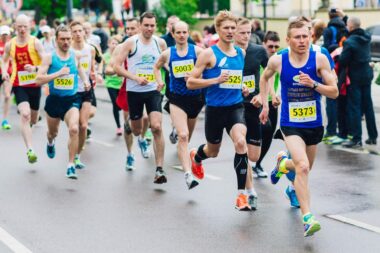
Different endurance sports may benefit from tailored breathing techniques. While the general principles of effective breathing apply across activities, specific adaptations might yield better results. For instance, runners often focus on maintaining a rhythmic breathing pattern to establish a natural flow during long distances. As terrain changes or intensity fluctuates, a runner may adjust their breath, ensuring a seamless transition. Cyclists, on the other hand, might integrate pursed-lip breathing due to the upper body posture and exertion level encountered. This allows for steady air intake throughout rides, optimizing oxygen delivery during climbs or sprints. Swimmers rely heavily on breath control, necessitating more meticulous practices, incorporating breathing intervals during laps. The timing of breath during strokes plays a crucial role in performance, often needing to be practiced in pools to avoid disruption in rhythm. Each sport benefits from a focus on specific breathing techniques. Working on breathing drills tailored to their sport can greatly elevate an athlete’s overall performance. Whether running, cycling, swimming, or engaging in other endurance activities, recognizing the uniqueness of breath-related demands can enhance an athlete’s training plan.
To maximize the benefits of breathing techniques, athletes should reflect on their personal experiences and feedback. After implementing various techniques into training regimens, recording progress can provide invaluable insights into effectiveness. Keeping a training journal to monitor how breath control influences endurance levels is beneficial. This documentation will help athletes understand which techniques yield optimal results for them personally. Peers or coaches can provide additional perspectives. Regular discussions can uncover new methods of integrating breathing into training. This conversation may reveal additional techniques or nuances worth exploring. Moreover, sharing experiences with fellow athletes can create a supportive community, allowing individuals to learn from each other. Group training sessions can also present opportunities for collective practice, reinforcing techniques. Structured classes focused on breathing exercises can enhance both understanding and execution of techniques. Ultimately, developing a keen awareness of personal responses to breathing techniques allows athletes to adapt their training based on results. This awareness ensures that athletes can modify their methods to maximize their endurance potential, establishing a personal blueprint for success.
Conclusion
In conclusion, the integration of breathing techniques into endurance training demonstrates significant benefits. Whether enhancing performance, improving recovery, or fostering mental resilience, these practices establish themselves as crucial components. Embracing a variety of techniques allows athletes to explore and identify which methods best suit their endurance disciplines. The commitment to practicing breathing effectively can yield remarkable improvements in performance metrics. Over time, as athletes evolve in their training, incorporating these routines may positively affect overall athleticism. Enhancing oxygen intake through effective breathing techniques supports prolonged physical activity, producing lasting energy levels. Finally, a deep understanding and consistent application of these techniques promote not only immediate performance but also long-term success in endurance training goals. Athletes should strive to continually refine and adapt their breathing as a dynamic part of their routine. By prioritizing breath control alongside physical training, individuals can reach their peak endurance potential. Thus, mastering breathing techniques ultimately fosters growth, allows for sustainable training, and transforms athletic performance.
Beyond individual performance, awareness of breathing techniques cultivates a greater appreciation for endurance training. As athletes become more in tune with their bodies and breathing, they develop a deeper understanding of their physiological responses. This intrinsic knowledge translates into improved performance outcomes and greater satisfaction from the training process. Breathing techniques are accessible and can be practiced anywhere, making them a vital resource for every athlete. Moreover, focused breath control can regulate emotions positively, especially during intense competitions. Controlling anxiety through effective breath management allows athletes to remain composed, significantly impacting performance outcomes. This approach ensures that athletes confront challenges throughout their training with confidence, possessing the mental wherewithal to push beyond physical limitations. Through dedication to mastering breathing, athletes emerge not only as competent competitors but also as individuals equipped with skills that serve life beyond sports. The benefits of these techniques extend beyond the physical realm, enhancing overall emotional and mental well-being. Therefore, the role of breathing techniques in endurance training reflects a holistic approach to athlete performance — one that acknowledges the mind-body connection as equally important to physical prowess.