
Using Superfoods to Boost Self-Defense Training Performance
Self-defense training is pivotal for developing not just physical strength, but also mental resilience. A crucial aspect often overlooked is nutrition, specifically the incorporation of superfoods. These nutrient-dense foods provide essential vitamins and minerals that support overall wellness. Superfoods can help improve energy levels, speed up recovery, and enhance focus during training. Foods such as quinoa, kale, and blueberries contain high levels of antioxidants and proteins. To get the most out of any self-defense training, integrate these nutritious options into daily meals. Consuming a varied diet rich in whole foods will better equip your body to handle the stress of rigorous workouts. Moreover, hydration is equally important, and consuming water-rich superfoods also ensures you stay hydrated. The targeted use of superfoods can significantly impact your training. Understanding which foods to prioritize, and when to consume them can lead to considerable improvements. Furthermore, tracking your progress alongside your nutritional intake can reveal its effects on performance. Balancing your diet specifically for self-defense not only prepares your body but also builds a robust foundation for achieving your goals.
To enhance physical endurance in self-defense training, consider incorporating superfoods like bananas and sweet potatoes. Bananas are highly effective due to their potassium content, which prevents muscle cramps. Furthermore, they provide a quick energy boost, making them an ideal snack before a workout. Sweet potatoes are rich in carbohydrates, facilitating a gradual release of energy during prolonged training sessions. Consuming foods that maintain blood sugar levels is crucial for performance. Coupled with healthy fats from sources like avocado and nuts, these foods provide sustained energy that’s vital for rigorous training. Regularly eating a mix of fast-acting and slow-releasing energy sources allows you to perform optimally, thereby maximizing your training results. Additionally, protein-rich superfoods such as chickpeas and lentils help repair muscle tissues after intense workouts. They provide the essential amino acids necessary for muscle building and recovery. Include these in your lunch or dinner to ensure your body receives adequate protein for repair. Experimenting with different combinations can help you find what works best. Ultimately, understanding how these foods impact your body can take your self-defense skills to the next level.
The Role of Antioxidants in Recovery
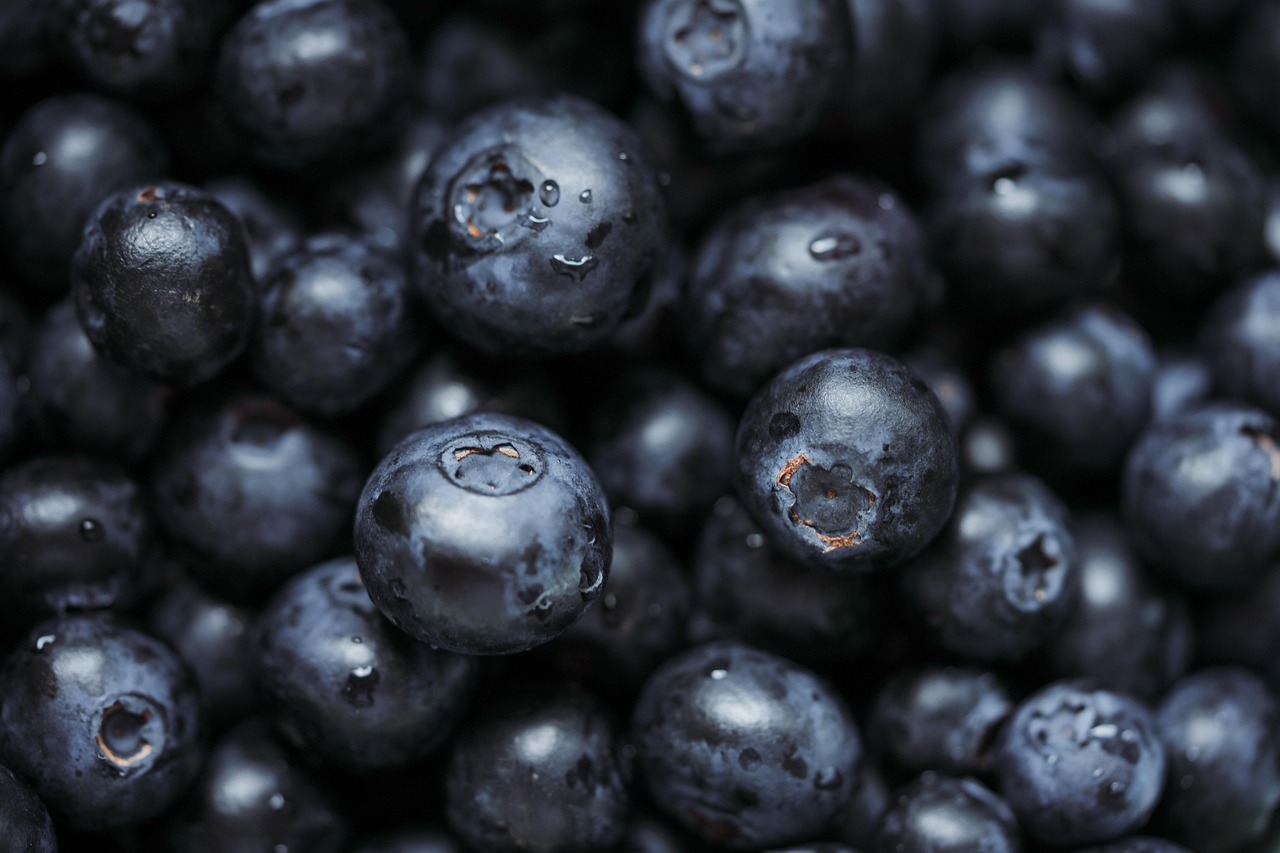
Antioxidants play a crucial role in recovery after intense self-defense training sessions. They combat oxidative stress caused by physical exertion, which can otherwise lead to fatigue and muscle soreness. Incorporating superfoods high in antioxidants, such as berries, dark chocolate, and green tea, can be beneficial. Berries—like blueberries and strawberries—are particularly loaded with antioxidants that help reduce inflammation. Including them in your post-training smoothies can aid recovery significantly. Dark chocolate offers additional benefits, acting as a delicious treat while also promoting cardiovascular health and recovery. Green tea not only provides antioxidants but also enhances metabolism, aiding in weight management, which is vital for those engaging in self-defense training. Consuming these foods regularly will help accelerate recovery times, allowing you to train more effectively. Consider creating an antioxidant-rich smoothie with your favorite superfoods post-workout. You can even find recipes online for nutritious smoothies that focus on recovery. By prioritizing these foods, you’ll equip your body with the necessary tools to recover efficiently, enhancing your overall performance in self-defense training.
Another vital aspect to consider is the timing of food consumption. Pre- and post-workout meals can influence the effectiveness of your training. Eating the right superfoods beforehand ensures that your body has the fuel it needs. For instance, consuming oats with chia seeds can provide sustained energy for longer sessions. Post-workout, focus on a mixture of protein and carbohydrates to facilitate quick recovery. Consider protein-rich superfoods like Greek yogurt, which can support muscle repair. Pairing this with fruits, such as bananas or berries, will replenish glycogen stores. Timing isn’t just important for metabolic reasons; it also affects performance. Plan your meals to coincide with your training schedule for maximum effect. Additionally, consider the hydration aspect. Including water-rich superfoods like cucumbers and oranges will help keep your body hydrated. Proper hydration is vital, especially during intensive physical activity. Electrolyte balance can also be maintained through coconut water, another excellent superfood. Monitoring what, when, and how you eat around your training sessions can make a significant difference in performance and recovery time.
Key Nutrients for Enhanced Performance
Understanding specific nutrients that superfoods provide can help tailor your diet more effectively for self-defense training. Proteins, carbohydrates, fats, vitamins, and minerals are all essential considerations. Proteins are vital for muscle growth and repair; thus, incorporating quinoa, beans, and tofu is recommended for plant-based diets. Each of these sources provides ample protein necessary for muscle recovery. On the other hand, complex carbohydrates from brown rice or whole grains provide long-lasting energy required for rigorous training. Healthy fats play a significant role as well; sources like nuts, seeds, and avocados ensure that you maintain energy levels. Moreover, vitamins and minerals, particularly B vitamins and magnesium, are important for energy metabolism. Foods rich in these nutrients boost overall health, allowing for better performance. Kale, spinach, and bell peppers are excellent sources of vitamins, supporting both immune function and energy levels. Incorporating a colorful variety of superfoods into your diet can enhance performance. Balancing these nutrients effectively targets every aspect of physical training, supporting your journey in self-defense training while promoting general well-being.
Cognitive performance also matters when it comes to self-defense. You need a sharp mind to react swiftly during training sessions. Including superfoods that enhance cognitive function can improve your focus and reaction time. Foods such as fatty fish, walnuts, and dark chocolate contain omega-3 fatty acids and antioxidants, which are beneficial for brain health. Fatty fish, like salmon, are specifically known for their ability to enhance memory and cognitive function. Walnuts are another excellent choice, as they are rich in DHA, a type of omega-3 that supports brain health. Dark chocolate, when consumed in moderation, can also promote better focus due to increased blood flow to the brain. Furthermore, a well-hydrated brain functions significantly better; therefore, incorporating water-rich fruits like watermelon is beneficial. Understanding how nutrition affects your cognitive abilities will help you perform better in self-defense training. Combining these brain-boosting foods with your training regimen can create a holistic approach. Consider planning your meals with mental agility in mind; balancing physical and cognitive wellness is key to maximizing your performance.
Conclusion: Integrating Nutrition into Your Training
In summary, nutrition plays an indispensable role in self-defense training, directly impacting physical and cognitive performance. Superfoods offer the nutrients needed to enhance endurance, recovery, and mental acuity. By understanding the significance of these foods, you can effectively boost your training results. Eating a balanced diet that incorporates these nutrient-dense superfoods can lead to marked improvements. Emphasize timing, focusing on pre- and post-workout meals to enhance energy levels and recovery. Monitor the balance of proteins, carbohydrates, and healthy fats to support every aspect of your training. Don’t forget about hydration and cognitive foods that enhance your mental sharpness, ensuring you’re prepared for any situation. As you continue to define your self-defense skills, the role of nutrition will undoubtedly come to light. Create a personalized plan involving your favorite superfoods that aligns with your training schedule. This deliberate approach will aid in your development and performance, whether you are a beginner or experienced in self-defense. Ultimately, balance and consistency in both training and nutrition will be your keys to success, enhancing your self-defense capabilities.
Adopting a lifestyle that promotes optimal nutrition is truly a rewarding investment in your self-defense performance. Continuous improvement can be achieved through dedication to both training and the foods you consume. Make gradual changes in your diet, and observe how your body responds. Experiment with various superfoods and culinary preparations to find what works best for you. Share your experiences with your training partners, creating a supportive environment where everyone can thrive. Remember, combining the right foods with your self-defense training can amplify your results and build resilience. Witnessing the positive changes in your performance will motivate you to maintain a healthy lifestyle.