
Choosing the Right Swim Coach for Triathlon Training
Choosing the right swim coach for your triathlon training is pivotal to your success in the sport. A good coach can help improve your technique, speed, and overall efficiency in the water. When evaluating potential coaches, consider their experience and qualifications specifically related to triathlon swimming. Check their certifications, coaching history, and any notable achievements with past athletes. A coach specialized in triathlon swimming will understand the unique demands of open-water swimming compared to pool training. Additionally, consider their coaching style and whether it matches your preferred learning method. Some swimmers thrive under a strict, disciplined approach, while others may require encouragement and positivity to excel. Communication plays a crucial role; ensure your coach can offer constructive feedback in a way that resonates with you. An effective relationship between you and your coach can significantly enhance your training experience. Look for testimonials from other athletes to gauge how well a coach has performed in helping others reach their swim goals. Ultimately, the right coach will inspire you to challenge your limits and elevate your swim proficiency to new heights. A coach’s guidance is essential for triathlon success.
Identifying the right swim coach often involves understanding your individual swimming needs and goals. Different coaches specialize in diverse aspects of swim training, particularly in triathlon disciplines. Assess your current skill level in swimming, from beginner to advanced, as this will help determine the type of coach you require. While some coaches focus on competitive swimmers, others may cater to novices just getting accustomed to swimming long distances. This differentiation in specialization can significantly affect your learning curve and performance. Also, consider attending some trial sessions with potential coaches to observe their methods. This will provide firsthand experience of their coaching style while assessing their ability to meet your specific requirements. Additionally, evaluate the availability and accessibility of the coach. Regular sessions can foster improvement, so ensure their schedule aligns with yours for effective training. The environment where the training takes place also matters; a coach that utilizes both pool and open water training can provide a well-rounded approach to your swim development. Remember, investing time into finding the right swim coach can yield significant returns in your overall triathlon performance.
Building a Training Plan with Your Coach
Once you’ve selected a swim coach, collaboratively building a training plan is critical to your success. A tailored training plan should address your strengths and weaknesses while also accommodating your triathlon goals. Discuss your desired outcomes with your coach, such as specific swim times or complete race readiness. Your training plan should include a variety of components like endurance swims, speed work, and technique drills. It might also incorporate swim video analyses for feedback, helping you visualize areas for improvement. Regularly reassess your progress with your coach, making necessary adjustments to your training as your skills advance and your goals shift throughout the training cycle. Communication remains vital during this process; ensure you express any challenges or areas where you lack confidence. Transparent communication will lead to more precise modifications in your workout routine. Work on improving endurance and mastering breathing techniques, vital skills in triathlon swimming. Balancing pool time with open water practice will help you transition smoothly to race conditions. Building a strong training plan with your coach boosts confidence as you prepare for race day.
Evaluating Your Progress Regularly
Regularly evaluating your progress with your swim coach is essential for achieving optimum results in your triathlon journey. Establish a timeline for assessing key performance indicators, such as swim speed or distance covered. Utilize benchmarks to measure your improvements and identify areas requiring further refinement. For example, evaluate your pace over set distances or your efficiency in various swim drills. Communicate these metrics with your coach, fostering a productive dialogue regarding your performance levels. Additionally, encourage your coach to provide continuous feedback on your technique to ensure you are progressing effectively. This key adaptative process helps refine your skills, enabling your coach to adjust your training plan accordingly. Video analyses might play a significant role in this evaluation phase, allowing both you and your coach to visually track improvements over time. Constructive discussions about your performances can boost motivation and foster confidence as you refine your skills. Celebrate both small and large victories during training; this reinforces your dedication. Remember that each evaluation is an opportunity to learn more about your capabilities and push past existing limits. Progress takes time, so patience is crucial.
Finding the right swim coach also entails considering their approach to training frequency and recovery. It’s important to understand how often you should be training under their guidance and the balance between workout efforts and recovery periods. Coaches might have differing philosophies on the intensity and duration of swim practices. Some may advocate for frequent, shorter workouts, while others prefer fewer, longer sessions. Choose a method that aligns with your style while also pushing your limits. Additionally, effective recovery strategies, including cross-training options like strength training and rest days, must be incorporated into the regimen. Discuss these strategies with your coach to prevent injury and ensure you allow muscle recovery. A well-rounded approach often leads to improved performance outcomes and reduces burnout. Collaboration with your coach to develop optimal rest days can greatly enhance your performance capability. Moreover, discuss nutrition and hydration strategies, integrative elements that play a pivotal role in your swimming effectiveness. Understanding your body’s responses to training and recovery will deepen your knowledge about optimizing future workouts. Together with your coach, develop a comprehensive training plan to maximize your swim potential.
Incorporating Open Water Training
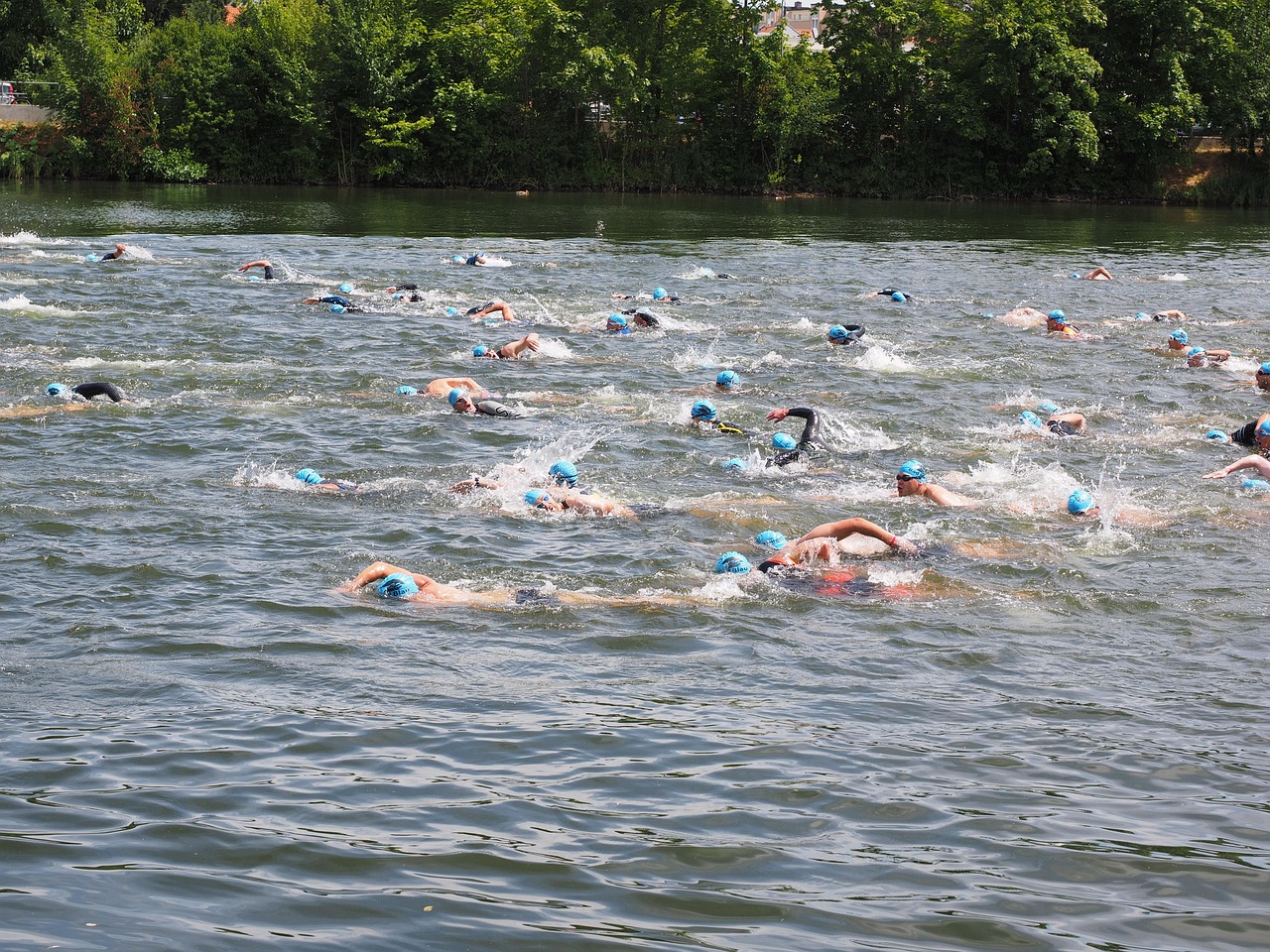
Open water training is crucial for triathletes and should be integrated into your swim coaching program. Unlike pool swimming, open water presents unique challenges such as currents, temperature variations, and navigation. The right coach will understand how to prepare you for these distinctions, ensuring you feel confident when facing these race-day scenarios. Seek a coach who incorporates open water drills, such as sighting techniques and group swim practices, which replicate race conditions effectively. Practicing in open water settings can alleviate anxiety associated with triathlon races, helping you adjust to the unpredictability of natural bodies of water. It is advantageous to organize practice meets where you swim alongside other triathlon athletes. This can familiarize you with the race dynamic while allowing for essential skill development. Your coach can assist you with pacing strategies that take endurance and energy conservation into account. This preparation is fundamental in mastering long-distance swims typical in triathlons. Advocate for ample open water sessions throughout your training, aiming to include various aquatic environments. Building confidence and adaptability in this setting will immeasurably bolster your overall competency.
A successful triathlon swim requires both technique and mental fortitude, elements your coach can significantly enhance. Mental preparedness must not be overlooked in your training journey, as psychological strength often determines race outcomes. Work with your coach on visualization techniques and mental conditioning strategies to bolster your confidence and focus. Learning how to handle the pressures of competition is vital for minimizing anxiety during races. Consider discussing strategies for pacing your swim efforts, which can be refined over time through practice and experience. Establish mental cues that help maintain composure and alertness amidst the stress of competitive environments. Collaborating with your coach on specific mental exercises can enhance your psychological toolkit. This support structures a complete training program that addresses both the physical and mental aspects of swimming. Continuous reflection on mental strategies alongside swim techniques creates a holistic approach, ultimately improving race day performance. Remember that exceeding your previous limitations requires a balance of mental resilience and skilled training. Your swim coach’s experience is a valuable resource; leveraging this can lead to breakthroughs in your athletic performance, making your triathlon journey more rewarding and effective.