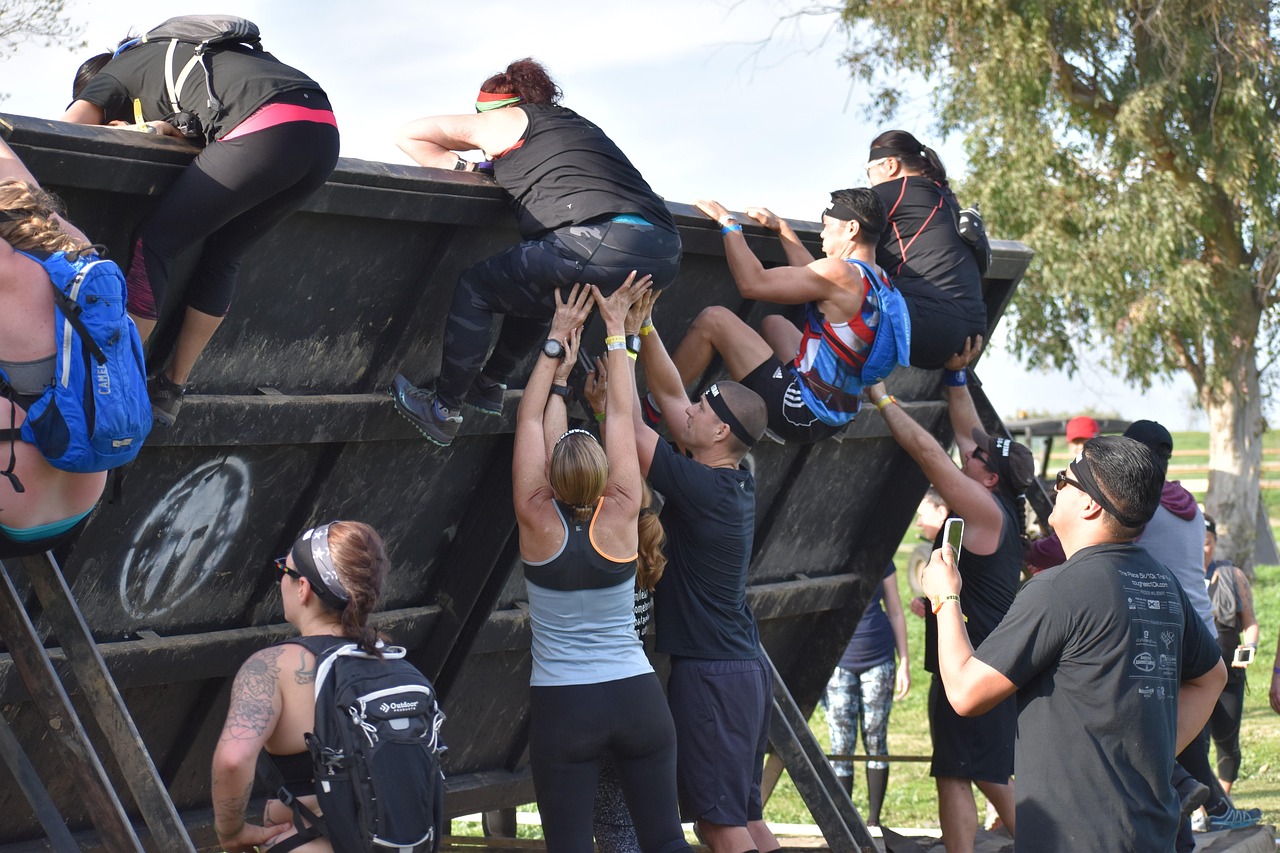

How Sleep Impacts Endurance and Performance in Obstacle Racing
Obstacle course racing (OCR) is a challenging sport that requires a blend of physical and mental endurance. One critical factor contributing to endurance is sleep quality. Athletes often underestimate the role that sleep plays in their overall performance. Adequate rest helps in muscle recovery, enhances cognitive function, and improves focus during races. Poor sleep can lead to sluggishness, decreased reaction times, and lower overall performance levels. Various studies have shown that athletes who achieve an optimum amount of sleep can perform better in high-stakes situations. These studies suggest that sleep directly impacts physiological factors like heart rate and energy utilization, both crucial during obstacle racing. Furthermore, sleep affects the body’s hormonal balance, with hormones responsible for muscle repair being released during deep sleep phases. If you are a participant in OCR, prioritizing sleep should be an integral part of your training regimen. Consider establishing a consistent sleep schedule to optimize your performance and endurance. Remember, while training your body, nourishing your mind through rest is equally important. Sleep is not just recovery; it’s an essential aspect of peak athletic performance.
The Science Behind Sleep and Endurance
The relationship between sleep and endurance is supported by extensive scientific research. Sleep affects cognitive and physical performance, which are crucial in obstacle racing. During sleep, the body undergoes recovery processes that are vital for athletes, including the release of growth hormone which facilitates muscle repair. Studies have reported that athletes who sleep less than seven to eight hours experience increased fatigue and decreased concentration levels. This lack of focus can significantly hinder an athlete’s ability to navigate the complexities of an obstacle course, from climbing walls to jumping over fire pits. Cognitive errors can occur due to insufficient sleep, leading to injuries or poor performances during races. Furthermore, sleep deprivation can impair decision-making processes, resulting in slower reactions. Consequently, athletes need to understand that rest and recovery are essential for optimal performance. To enhance endurance, it’s crucial to incorporate strategies focused on improving sleep quality in conjunction with physical training. These findings highlight that a good night’s sleep is not merely a luxury; it’s an indispensable element in becoming a successful obstacle racer.
In addition to cognitive benefits, sleep also has undeniable physical advantages crucial for OCR athletes. Quality sleep contributes to the body’s recovery processes and aids muscle restoration. After rigorous training sessions, muscle tissues undergo stress and damage; restorative sleep promotes recovery of these tissues. Additionally, sleep enhances the body’s immune system, helping race participants fend off injuries and illnesses that could impede their training schedules. Muscle soreness and fatigue are alleviated with adequate sleep, allowing athletes to train consistently. Poor sleep can lead to chronic fatigue syndrome, heavily impacting performance in various forms of exercise, including OCR. Athletes must strive for 7 to 9 hours of restorative sleep each night to support their rigorous training. Restorative sleep facilitates adaptations necessary for endurance, strength, and agility—a combination of traits essential for tackling various obstacles. Moreover, the food consumed before sleep plays a role in performance; thus, athletes should also consider their pre-sleep nutrition choices. This holistic approach to sleep, nutrition, and training can maximize endurance and performance during competitive events.
Impact of Lifestyle on Sleep Quality
Various lifestyle choices can affect the quality and duration of sleep, thereby impacting performance in obstacle racing. For instance, athletes should avoid caffeine and heavy meals close to bedtime, as they can disrupt sleep cycles. Stress and anxiety, common among competitive athletes, also hinder restful sleep. Implementing relaxation techniques such as mindfulness or deep-breathing exercises can promote better sleep quality. Furthermore, creating a comfortable sleeping environment with minimal distractions will enhance restfulness. A consistent sleep schedule, where you go to bed and wake up at the same times daily, can train your body to expect rest at specific periods. Another important aspect is reducing screen time before bed; the blue light emitted by devices interferes with natural melatonin production, which is vital for sleep onset. By prioritizing such lifestyle changes, OCR athletes can positively influence their sleep quality, yielding better performance outcomes. In conclusion, a holistic approach encompassing training, nutrition, and lifestyle changes focused on improving sleep will set the stage for success in obstacle course racing.
Besides physical training, mental preparation is key for OCR athletes. Sleep not only rejuvenates the body but also sharpens the mind, essential for peak performance. Athletes utilize visualization techniques to mentally rehearse the course, and adequate sleep facilitates this process. Studies show sleep supports memory consolidation, which is vital for remembering complex routes during races. Mental fatigue can hinder race strategy, thus affecting performance. A well-rested mind enhances focus, allowing athletes to approach obstacles with clarity and purpose. The mind-body connection plays a critical role in sports, and sleep serves as a bridge to that synergy. Regularly engaging in mental training alongside physical workouts allows athletes to integrate remaining calm into high-pressure situations effectively. Additionally, athletes can benefit from reviewing race strategies and adjusting them based on their sleep quality. By nurturing their mental preparation, OCR athletes can boost their confidence and improve their performance while racing. Emphasizing both mental and physical training will contribute to overall endurance and success in competitions.
Nutrition and Sleep Correlation
Nutrition and sleep are interconnected elements that significantly impact endurance performance in obstacle racing. The foods consumed can directly influence sleep quality; athletes should focus on incorporating sleep-inducing foods into their diets. Foods rich in tryptophan, magnesium, and antioxidants can promote better sleep. Examples of these foods include bananas, almonds, and cherries. Adequate hydration is equally important as dehydration negatively affects sleep and recovery. Furthermore, consuming heavy meals before bedtime should be avoided. It’s advisable to have a final meal 2-3 hours before sleeping to enhance restfulness. Similarly, alcohol consumption can disrupt sleep cycles, leading to insomnia or poor quality sleep. Athletes can benefit from timing their meals appropriately, ensuring they prioritize nutritional content at the right times during their training. This focus not only aids in daily performance but contributes significantly to overall recovery during sleep. OCR athletes need to recognize that enhancing sleep through nutrition can ultimately translate into improved endurance during races. By making conscious dietary choices, athletes can create a positive cycle that benefits both sleep quality and endurance performance.
In conclusion, enhancing sleep quality is vital for athletes pursuing endurance in obstacle racing. Acknowledging the importance of sleep encourages athletes to create effective training regimens that include ample rest. The relationship between sleep, nutrition, mental preparation, and physical training underscores the necessity of a holistic approach to achieve race success. As athletes prioritize sleep, they will see improvements in recovery, performance, and overall well-being. By fostering a better understanding of sleep’s impact on endurance, athletes can make informed decisions that lead to successful race outcomes. Ultimately, by viewing sleep as a crucial component of training, athletes in OCR will be better equipped to tackle and conquer challenging courses. As the demand for endurance rises in this sport, ensuring both the mind and the body are well-rested becomes essential. Therefore, athletes should take proactive steps in creating a sleep-friendly lifestyle. With a commitment to improving sleep, athletes can unlock their full potential and perform at their best. Embracing this multifaceted approach will ensure that, on race day, the athlete is not just physically prepared but also mentally sharp and focused.
In conclusion, enhancing sleep quality is vital for athletes pursuing endurance in obstacle racing. Acknowledging the importance of sleep encourages athletes to create effective training regimens that include ample rest. The relationship between sleep, nutrition, mental preparation, and physical training underscores the necessity of a holistic approach to achieve race success. As athletes prioritize sleep, they will see improvements in recovery, performance, and overall well-being. By fostering a better understanding of sleep’s impact on endurance, athletes can make informed decisions that lead to successful race outcomes. Ultimately, by viewing sleep as a crucial component of training, athletes in OCR will be better equipped to tackle and conquer challenging courses. As the demand for endurance rises in this sport, ensuring both the mind and the body are well-rested becomes essential. Therefore, athletes should take proactive steps in creating a sleep-friendly lifestyle. With a commitment to improving sleep, athletes can unlock their full potential and perform at their best. Embracing this multifaceted approach will ensure that, on race day, the athlete is not just physically prepared but also mentally sharp and focused.