
Injury Recovery: Nutrition Tips for Team Sport Players
Recovering from an injury can be a challenging period for any athlete, especially for team sport players. Proper nutrition plays a crucial role in this recovery process. Consuming a balanced diet rich in vitamins, minerals, and protein can significantly influence how quickly an athlete heals. It is essential to focus on foods that promote tissue repair and reduce inflammation. Incorporating lean meats, fish, dairy products, legumes, and nuts can provide the protein required for muscle recovery. Hydration is equally important during this phase, as water aids nutrient transport and keeps tissues hydrated. Players should also consider opting for whole grains and plenty of fruits and vegetables to ensure they receive enough antioxidants, which can combat oxidative stress following an injury. Additionally, it may be beneficial to consult with a sports nutritionist, who can create a personalized nutrition plan suited for individual needs. Eating small, frequent meals throughout the day rather than a few large meals can also sustain energy levels and potentially speed up recovery. Taking these nutrition tips seriously will help athletes return to their sport stronger and healthier than before.
In addition to general nutrition, certain nutrients play a vital role in injury recovery. One significant nutrient is protein, which is crucial for muscle repair and regeneration. Team athletes should aim for about 1.2 to 2.0 grams of protein per kilogram of body weight daily, depending on the severity of their injury and level of physical activity. Sources of protein include chicken, turkey, fish, eggs, as well as plant-based alternatives like beans and lentils. Vitamins C and D should be emphasized as well, as they have been linked to enhanced recovery rates. Vitamin C supports collagen formation and immune function, while Vitamin D is crucial for calcium absorption and overall bone health. Zinc also deserves mention due to its role in tissue repair and immune function. Foods rich in zinc include meat, shellfish, seeds, nuts, dairy, and whole grains. Incorporating a variety of these nutrient-rich foods can help team sport athletes recover effectively from injuries and regain optimal performance levels. This approach to nutrition not only aids recovery but also enhances overall health and physical performance capabilities.
Importance of Hydration
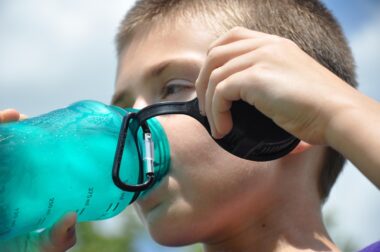
Proper hydration is a fundamental aspect of injury recovery, especially for team sport athletes. Water plays an essential role in almost every bodily function, including nutrient transport and temperature regulation. Dehydration can lead to fatigue, reduced cognitive function, and longer recovery times, which can hinder an athlete’s ability to return to their team quickly. Athletes should aim to consume at least half their body weight in ounces of water each day, adjusting for any additional losses during physical activity or periods of healing. Including electrolyte-rich beverages can also aid recovery, as they replenish lost minerals. Ingredients such as sodium, potassium, and magnesium help to maintain fluid balance and support muscle function. Coconut water, sports drinks, and homemade electrolyte solutions can provide the necessary nutrients. It is advisable for players to monitor hydration levels by checking the color of their urine, aiming for a light-yellow shade. Ensuring adequate hydration not only supports injury recovery but also improves overall athletic performance and can help prevent future injuries.
When devising a nutrition plan post-injury, it is also important to include anti-inflammatory foods. These foods can help reduce swelling and speed up recovery times, ensuring that athletes can return to their sport more efficiently. Examples of anti-inflammatory options include fatty fish like salmon and tuna, as well as nuts and seeds. Incorporating spices such as turmeric and ginger can also provide benefits due to their natural anti-inflammatory properties. Green leafy vegetables like spinach and kale—packed with antioxidants—should also be prioritized. Dark-colored berries, such as blueberries and cherries, are well-recognized for their anti-inflammatory capabilities. Ensuring the inclusion of these foods in daily meals can provide natural pain relief and enhance recovery during rehabilitation. It is advisable to reduce the intake of processed foods and sugars, as they can exacerbate inflammation. Making conscious decisions about food choices can significantly impact recovery times and future performance in sports. Therefore, athletes should aim to eat a colorful, well-rounded diet for optimal recovery results.
Meal Timing and Composition
The timing and composition of meals can influence recovery for team sport athletes significantly. After an injury, consuming a balanced meal containing protein and carbohydrates within 30 minutes to two hours post-workout or rehabilitation session can maximize recovery benefits. This window is often referred to as the ‘anabolic window’, where the body is particularly receptive to nutrients. Meals should include complex carbohydrates like brown rice, quinoa, and sweet potatoes, which provide sustained energy and aid muscle glycogen replenishment. Combining these with protein sources creates a perfect post-exercise meal. Additionally, athletes can consider protein shakes if they have trouble consuming solid foods initially. These can be convenient and easily digestible while still supporting muscle repair. Moreover, it’s crucial to maintain a regular eating schedule to keep energy levels steady and avoid extended fasting periods. Small, well-balanced meals and snacks throughout the day can maintain energy and provide the necessary nutrients for recovery. Staying vigilant about meal timing will ultimately contribute to a more effective recovery process for injured athletes.
Furthermore, psychological aspects should not be overlooked when discussing injury recovery nutrition for team sports. Nutrition plays a vital role in an athlete’s mental well-being and can influence mood and motivation during the recovery phase. Consuming a nutritious diet can lead to better energy levels, enhancing overall mental clarity and focus. Athletes recovering from injuries may experience feelings of frustration or anxiety, so it’s essential to address these matters holistically. Foods rich in omega-3 fatty acids, such as walnuts and fatty fish, have been shown to support brain health and emotional well-being. Incorporating whole grains can also help stabilize blood sugar levels, minimizing mood swings. Additionally, supportive social relationships and fostering a positive mindset towards recovery can impact nutrition habits. Practicing mindfulness or stress-reduction techniques may assist athletes in maintaining a balanced approach towards food and recovery. Acknowledging the psychological components of recovery can empower athletes to stay committed to their nutrition plan and return to their respective teams with confidence and enthusiasm.
Consulting a Professional
Ultimately, for best results, athletes recovering from injuries should consider consulting with a registered dietitian or sports nutritionist. These professionals can tailor individualized nutrition plans to address specific injury recovery needs and quantify essential dietary requirements. They can offer insights on nutrient timing and help design meal strategies that fit the athlete’s lifestyle. Dietitians can assess current dietary practices and suggest effective changes to enhance performance during recovery. Not only that, but they can also help athletes set realistic goals surrounding their nutrition and help track progress. Furthermore, collaborating with an expert ensures that athletes obtain optimal nutrition without making unsupported claims or harmful changes to their diets. This professional guidance can empower players to make informed food choices, ensuring they get the best nutrition to fuel their recovery journey. Engaging with a professional can also provide athletes with accountability, making it easier to adhere to their nutrition plan during challenging times. Overall, an experienced dietitian can be a vital resource in the recovery of team sport athletes.
In conclusion, nutrition is a crucial component of the recovery process for athletes engaged in team sports. Incorporating a variety of nutrient-rich foods into their diets can help reduce inflammation, promote healing, and foster overall health. By maintaining proper hydration, athletes can ensure optimal performance and recovery. Nutrient timing plays a significant role in maximizing benefits post-exercise, necessitating attention to meal composition and timing. Moreover, addressing psychological aspects through nutrition can enhance the athletes’ mindset during recovery. Consulting with professionals ensures personalized nutrition plans tailored to individual recovery needs. As they focus on injury recovery, team sport players should prioritize their nutrition and hydration, understanding that their dietary choices will affect their overall performance and future injury prevention. By staying educated and making informed choices, these athletes can expedite their recovery process, return to their passionate pursuits in their sport, and perform with enhanced vigor after healing. As such, dedicating time and effort to nutrition remains a fundamental strategy in an athlete’s long-term success and wellness in their sporting careers.