
Safety Guidelines for At-Home Yoga Practice
Practicing yoga at home can be rejuvenating and uplifting. However, safety must be a priority to avoid injuries. Ensure that your practice space is tidy and free of distractions. It’s essential to have ample room to move freely. Look for a flat surface, preferably a yoga mat that provides adequate grip. Before beginning any session, warm up your body with light stretches to prepare it. Pay attention to your body’s signals during yoga practice; if you feel pain, stop immediately. Consult with a healthcare professional if you have preexisting conditions or are recovering from an injury. It’s also beneficial to have some tools, like yoga blocks or straps, which can assist in achieving proper alignment. Don’t rush into advanced poses; build your strength and flexibility gradually. This approach not only minimizes the risk of injury but also enhances your experience. Remember, it’s important to focus on breathing and mindfulness throughout your routine. Consistency in practice helps improve your skills, but safety should always be your primary concern.
Before setting off on your yoga journey, ensure you’re properly attired. Wear comfortable clothing that allows freedom of movement. Avoid loose-fitting garments that might pose safety risks during certain poses. Setting a clear schedule for your yoga practice is also essential; this helps in building routine and discipline. Factors such as lighting and temperature should be conducive for a healthy practice environment. Another tip is to make use of resources such as online classes or yoga apps for guidance. These resources often cater to various skill levels and can greatly enhance your practice at home. Consider joining online communities focused on yoga; sharing experiences with others can significantly boost motivation. Engaging with a community also allows you to gain insights into safety tips from collective experiences. Remember to hydrate adequately and listen to your body throughout your session. Incorporating relaxation techniques can help in recovery and prevent injuries. By following these guidelines, not only does your practice become safer, but it also becomes a more fulfilling and enriching experience, both physically and mentally.
Understanding Your Body’s Limits
Familiarity with your body’s limits is crucial in promoting safe yoga practice at home. Each individual has different strengths and flexibility levels; it’s essential to recognize these differences. Practice basic postures and gradually enhance their complexity as your ability improves. Before attempting any challenging poses, make sure to warm up, which can reduce the chance of strain or injury. Additionally, mastering the basic poses can provide a strong foundation, preparing you for more advanced practices. Always prioritize form over depth—maintaining proper alignment is key. Use a mirror if possible to check your posture. If you’re new to yoga, consider starting with beginner classes to build confidence. This will ensure you’re practicing correctly. Listening to your body is vital; don’t push yourself beyond your capabilities. It’s perfectly acceptable to skip a pose or modify it to something simpler if necessary. Explore various styles to find what resonates with you—what works for one may not work for another. Safety during yoga is about maintaining respect for your body and its messages while cultivating an inviting practice space.
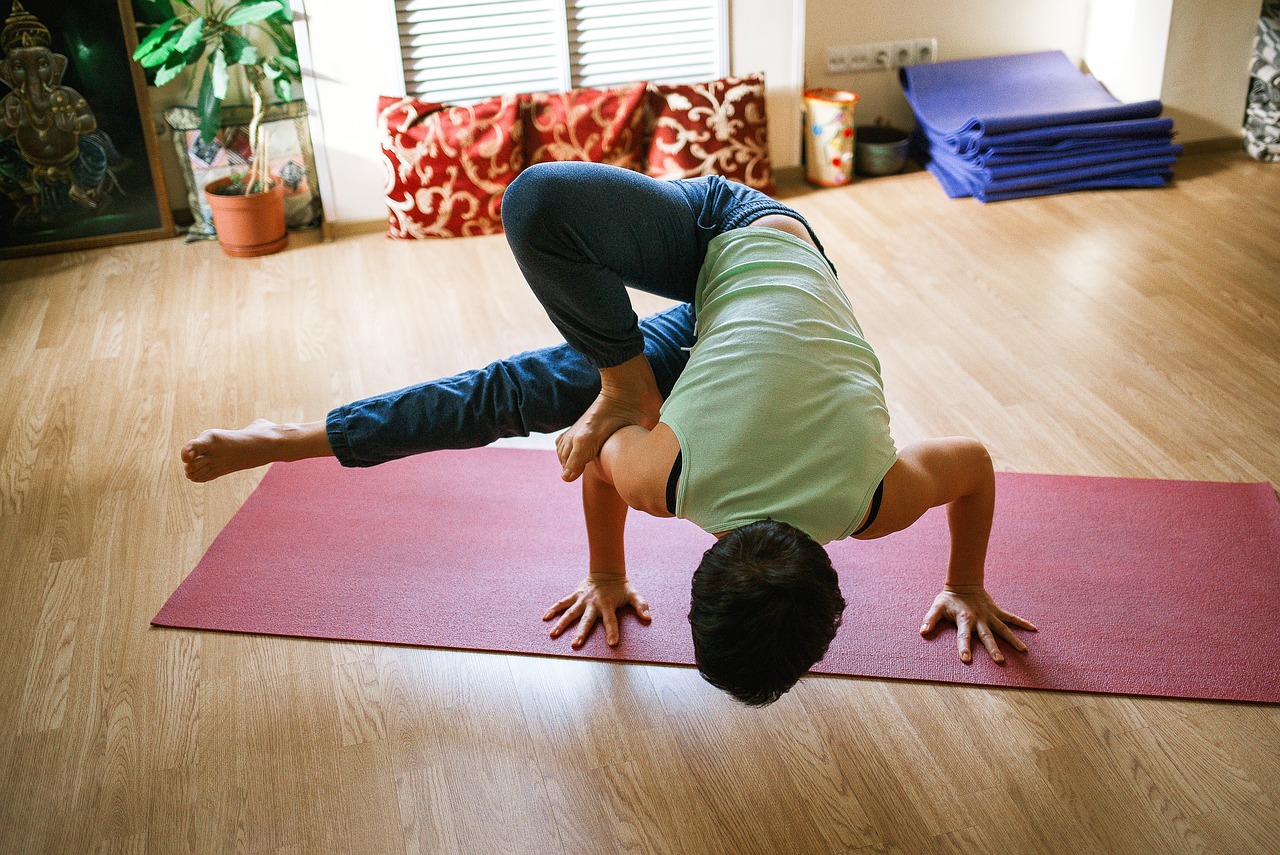
Creating a dedicated yoga space at home is an essential step in ensuring your safety and focus. This should be an area free from distractions, ideally with appropriate lighting and ventilation. Remove any unnecessary items from the floor to avoid potential accidents while transitioning between poses. When selecting your space, consider using comforting elements, such as plants or calming colors, to enhance your ambiance. Lighting can also play a role: dim lighting can promote relaxation, while brighter settings can keep you alert during active sessions. Keep your yoga tools, such as blocks or straps, within arm’s reach, so they’re easily accessible when needed. Establishing a designated area can also mentally prepare you to shift into a practice mindset. Remember, your space should inspire serenity and concentration, allowing you to immerse yourself in your session fully. Try to consistently practice in this space; familiarity will enhance your experience. Clean your area regularly to maintain a safe environment, and consider using incense or essential oils to further enhance your practice atmosphere. Safety and comfort nurture a more enjoyable yoga experience at home.
Incorporating Safety Practices
Incorporating additional safety practices ensures a healthier yoga experience at home. First, it’s important to understand the significance of modifying poses according to abilities. Yoga is not a competition; remember to focus on personal growth at your pace. Utilizing props can aid in maintaining correct alignment and reducing strain, especially in complex poses. Make sure to follow online tutorials from reputable instructors, as these often provide insights into adjustments and modifications. Consider keeping a yoga journal to note your progress, feelings, and areas of difficulty. This practice can encourage reflection and help track your improvements in flexibility and strength over time. Additionally, ensuring you have time for cooldown periods and relaxation after your sessions is vital for maintaining overall well-being. This contributes to muscle recovery, which decreases the risk of injuries. Take deep breaths and enter savasana to conclude your practice; this moment of stillness solidifies the benefits gained during your session. Furthermore, remember regular rest days and allow your muscles time to recover to avoid overexertion. Through safety, consistency, and mindfulness, you’ll find a fulfilling yoga journey at home.
Mindfulness during yoga is paramount to creating a secure and beneficial practice. Focus on being present in each moment; this enhances your awareness of body movements and breathing. Mindfulness encourages you to understand when to challenge yourself and when to rest. Establish a routine that includes breath-centered practices, linking each movement with an inhalation or exhalation. This connection not only cultivates greater awareness but can also reduce anxiety and increase relaxation. Applying mindfulness allows you to enjoy your practice on a deeper level, developing an inner sense of peace. Be sure to take your time transitioning from one pose to another; there’s no need to rush, as this could lead to misalignment. Reflect on each session afterward, taking time to jot down your thoughts on improvements or challenges faced. Embrace a non-judgmental mindset; comparing yourself to others can detract from personal progress. Encouraging self-compassion and patience fosters a safer and more enjoyable experience. Whether a beginner or an experienced practitioner, always maintain focus and awareness in your practice, treating it as a journey of self-exploration and growth. This attitude will enhance the effectiveness and safety of your practice.
Conclusion
In conclusion, prioritizing safety when practicing yoga at home is essential for a fulfilling experience. Always pay attention to your body, ensuring proper warm-ups before starting your routine. Create an inviting, distraction-free space where you can engage in your practice without interruptions. Modifications and the use of props play a significant role in achieving a safe practice—don’t hesitate to use them. Ensuring your practice includes mindfulness can deepen your experience, allowing you to connect more profoundly with your body. Remember to maintain a steady practice schedule and allow for ample recovery through rest and relaxation. Engage with various resources, whether online tutorials or local classes, to enhance your understanding. Connect with a practice community, providing a support system that encourages motivation and safety. Always prioritize enjoyment along with physical health, as the mental benefits of yoga are equally significant. Establish resilience and patience within your practice, leading to overall wellness. By following these guidelines, you can foster a sense of safety and achievement in your foundation of home yoga practice, ensuring a rewarding journey toward personal growth and well-being.
This concludes our exploration of safety guidelines for at-home yoga practice. Your journey into yoga is unique and personal, and our aim is to support you in achieving the safest and most enjoyable experience possible.