
Bodyweight Core Isolation Exercises to Enhance Flexibility
Core muscle isolation exercises play a significant role in enhancing flexibility, stability, and strength. Engaging primarily the abdominal muscles, these exercises limit movement to target specific areas effectively. Bodyweight exercises are particularly beneficial as they require no equipment, allowing anyone to perform them at home or outdoors. By isolating core muscles, individuals can improve their posture and overall body mechanics while preparing for more complex movements. Movements such as planks and leg raises are essential as they build endurance in the core muscles. Adding flexibility elements to core isolation exercises promotes greater muscle balance, reducing the risk of injury. Moreover, strengthening these muscles helps support the spine, which is crucial for maintaining a healthy posture. To maximize benefits, consistency in practice is essential. Incorporating breathing techniques, such as controlled inhalation and exhalation, contributes further to enhancing flexibility. One effective strategy is combining stretches with core muscle exercises, providing holistic improvement. Athletes, dancers, and casual fitness enthusiasts alike will find great value in these exercises, making them a vital addition to any fitness regimen.
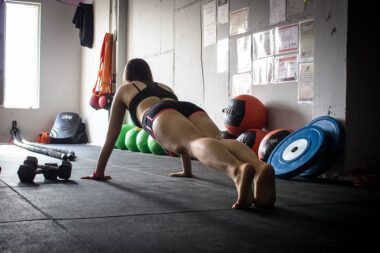
One of the most effective bodyweight core isolation exercises is the plank. The plank not only targets the abdominal muscles but also enhances overall body stability. To execute a standard plank, lie face down and prop yourself up on your forearms and toes. Ensure your body forms a straight line from head to heels. Holding this position for 30 seconds to a minute can be incredibly beneficial. To increase the challenge, variations such as side planks or plank twists can be incorporated. These variations engage the obliques, which are crucial for sports and daily movements. It’s imperative to maintain proper form during planks; this helps in maximizing effectiveness while minimizing injury risk. Mixing planks with other isolation exercises can create a comprehensive core workout routine. Another excellent addition is the dead bug exercise, which focuses on coordination while activating the core muscles. Lie on your back, raising arms and legs at a 90-degree angle. Slowly lower one arm and the opposite leg while keeping the core engaged. This movement not only strengthens the core but also promotes flexibility in the hips and shoulders, contributing to overall fitness goals.
Incorporating the hollow body hold into your core workouts is a fantastic way to enhance strength and flexibility simultaneously. This exercise requires lying flat on your back, lifting your arms and legs off the ground while keeping your lower back pressed into the floor. The straightened limbs and elevated torso create a hollow shape, effectively isolating the core. Holding this position challenges both isometric strength and muscle endurance. Aim to hold for 20 to 60 seconds, ensuring tension remains throughout the core. Gradually increasing the hold time can lead to remarkable improvements in core stability. You can also modify this exercise by adding leg lifts or flutter kicks for an additional challenge. Transitioning into a rocking hollow body—rolling back and forth while maintaining the hollow position—adds dynamic movement to the routine. This variation encourages flexibility and further strengthens the abdominal muscles. Coupling the hollow body hold with other exercises like mountain climbers enhances cardiovascular benefits while still focusing on core strength. Including these dynamic movements in a workout plan increases variety and engagement, making it exciting as well as effective for enhancing fitness.
Dynamic Core Movements for Enhanced Flexibility
Russian twists are another beneficial exercise to include in a bodyweight core workout focused on isolation and flexibility. While seated on the floor with your knees bent and feet flat, lean back slightly to create a V-shape with your upper body. Engage your core and twist your torso to the right, then to the left, while optionally holding a weight or medicine ball. This rotational movement not only targets the oblique muscles but also encourages spinal flexibility. Ensure you maintain controlled movements to protect your lower back. Performing Russian twists can improve rotational strength, which is crucial for athletes and anyone engaged in sports requiring agility. Targeting the obliques through this exercise contributes significantly to enhancing core stability and overall performance. Aim for three sets of 15 to 20 repetitions on each side, increasing as you become stronger. Additionally, consider supersetting the Russian twists with leg raises. This combination enhances both strength and flexibility, giving an excellent overall workout. Promoting core engagement leads to functional benefits in everyday activities and sports, making these exercises vital for anyone serious about fitness.
Incorporating bird-dogs into a core isolation routine diversifies static holds with dynamic movement, enhancing flexibility alongside core activation. Start in a tabletop position, aligning your wrists directly under your shoulders and knees under your hips. Extend one arm forward while simultaneously extending the opposite leg back, ensuring your body maintains a stable and straight line. This exercise not only strengthens the core but also enhances balance and coordination. Focus on maintaining a strong core as you hold the position for several seconds before switching sides. Bird-dogs encourage full-body integration and mobility, essential for improved flexibility. As you progress, aim to hold the extended position longer. Adding small weights to your limbs can increase the difficulty if desired. For even greater impact, incorporate stretching movements while holding the position, enhancing your flexibility. Setting a routine of 10 repetitions per side will provide excellent results, promoting core strength and overall physical performance. When performed consistently, bird-dogs significantly contribute to the muscular endurance required for lifting and other physical activities, making them a vital addition to any bodyweight workout.
Building the Essential Strength
These bodyweight core isolation exercises culminate in a robust workout routine designed to enhance flexibility and core strength effectively. Practicing daily or on alternating days will yield optimal results. Remember, the key component to any workout lies in proper form. Prioritize maintaining correct postural alignment throughout each exercise, engaging the internal muscles to prevent injury. Incorporating dynamic stretches, such as torso twists and side bends, into the warm-up can further facilitate flexibility. Moreover, cooling down post-exercise is vital. Consider utilizing techniques like yoga or Pilates that focus on stretching and flexibility as part of your fitness journey. This combination fosters muscle relaxation while still supporting core strength. Try integrating a mix of the aforementioned exercises into your workout regimen for balanced results. Tracking your progress can also serve as a motivator, allowing you to recognize growth over time. Stay committed and patient, and remember to listen to your body’s needs throughout. Overall, bodyweight core isolation exercises present a straightforward yet effective way to improve physical health, flexibility, and overall athleticism. Explore different exercises regularly to keep routines fresh and engaging.
In summary, embracing bodyweight core isolation exercises offers an excellent path to enhanced flexibility, core stability, and physical well-being. These exercises, such as planks, Russian twists, and dead bugs, empower individuals to strengthen specific muscle groups effectively. Additionally, executing movements mindfully with controlled breathing can amplify the benefits gained from each exercise. Flexibility is not simply about stretching; it entails an integrated approach combining strength, control, and awareness of body mechanics. Therefore, committing to a consistent and varied routine is essential for optimal results. Utilize a combination of static and dynamic movements to engage major muscle groups effectively. Customize your routine based on personal goals, whether improving general fitness or training for athletic performance. Moreover, engaging in different exercises combats monotony, ensuring continued motivation. Lastly, consider connecting with others via community classes or online forums to gain insights and support on your journey. Overall, enhancing flexibility through bodyweight core isolation exercises proves valuable for both functional strength and overall health. With dedication and effort, anyone can achieve significant improvements in flexibility and core strength.
To conclude, understanding the synergistic relationship between core isolation exercises and flexibility is paramount for anyone committed to physical fitness. All bodyweight exercises mentioned here highlight the importance of mastering control and technique for maximized efficiency. Regular practice leads to enhanced stability, better posture, and a stronger core foundation. Consistent execution enriches one’s performance, whether in sports, dance, or everyday activities. Gradually introducing variations like flutter kicks or advanced planks can keep things interesting while ensuring continuous progress. It is also beneficial to invest in proper recovery techniques, including stretching and foam rolling, after intense workouts. These restorative practices assist in improving overall mobility, which complements the strength gained through core training. Additionally, emphasizing nutrition and hydration supports the muscles’ recovery process and overall functionality. Engaging in this holistic approach cultivates a lifestyle rooted in health and wellness. With a mind focused on continuous improvement, anyone can unlock the tremendous potential of their body through these fundamental exercises. Therefore, remain steady in practice and eager to explore the capabilities of bodyweight core isolation exercises.