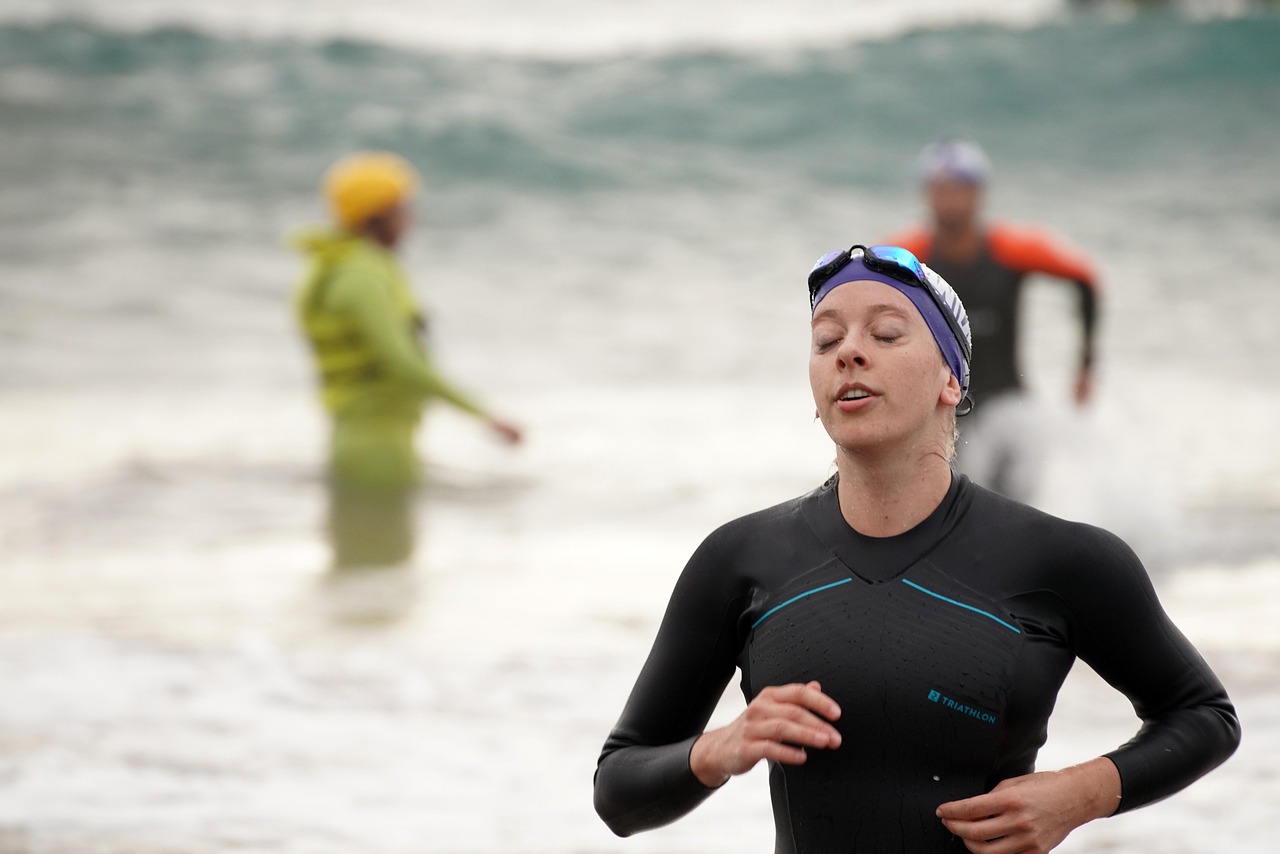

How Cross-Training Improves Mental Toughness for Triathletes
Triathletes require unparalleled dedication and resilience to excel in three distinct sports: swimming, cycling, and running. One effective method to cultivate the mental toughness necessary for these challenges is incorporating cross-training into the workout regimen. Cross-training allows athletes to build strength and endurance while minimizing the risk of injury from overuse. By engaging in different physical activities, triathletes can reduce boredom and maintain motivation. Options such as strength training, yoga, and even hiking contribute to overall fitness. Moreover, varying workouts can enhance the ability to stay focused during grueling race conditions. Maintaining enthusiasm for training schedules often becomes crucial for performance improvement. Mental fatigue can be detrimental, particularly as race day approaches. To combat this, consider integrating enjoyable activities that challenge both body and mind. Examples include team sports or dance classes, which can invigorate the training experience. Switching the focus from routine swims, rides, or runs to exciting sessions can rejuvenate motivation. Ultimately, cross-training serves as a bridge to greater mental resilience, helping triathletes overcome obstacles that arise throughout the demanding competition season.
Another significant aspect of cross-training is its ability to develop mental flexibility, which is essential for triathletes facing unforeseen race day challenges. Conditions may change abruptly—from weather to equipment failures. Diversifying training methods better prepares athletes to adapt to various challenges. For example, practicing different swimming styles or cycling terrains will enhance a triathlete’s response to unexpected conditions encountered during competitions. Additionally, cross-training can alleviate the monotony of sticking strictly to specific disciplines. This variation keeps the mind engaged and sharp, fostering an athlete’s ability to stay present and focused. Increased mental awareness and readiness for variability can transform an athlete’s race experience. Moreover, incorporating activities that challenge neuromuscular coordination—such as martial arts or Pilates—can elevate cognitive engagement. These forms of exercise push triathletes to be more aware of their body’s movements in space, enhancing overall performance. To gain the full benefits of this mental training, athletes should embrace a routine that combines physical agility, strength, and flexibility. Mastering diverse techniques helps build adaptability effectively, equipping triathletes with essential skills for tackling challenges that may arise during demanding races.
The Benefits of Variety in Training
In the world of triathlons, variety in training is vital, not just for physical development but for building mental toughness as well. Engaging with new exercises provides fresh stimuli that keep athletes mentally agile. For instance, incorporating rock climbing into a regimen can develop problem-solving skills—both mentally and physically. When climbing, athletes must strategize and make rapid decisions, augmenting their cognitive resilience. Similarly, playing sports like tennis or basketball contributes to decision-making and anticipatory skills. Techniques learned in these activities bridge well to maintaining focus during long race segments by enhancing attention to detail. Furthermore, cross-training allows triathletes to identify their weaknesses, which is vital for improvement. Struggles faced in diverse engagements can translate seamlessly into growth when returned to the primary disciples. For instance, wrestling or boxing can cultivate a defensive mindset that assists during transitions and fatigue. Athletes learn to thrive in discomfort, significantly boosting their mental stamina. As a result, aiming for variety helps triathletes evolve into more well-rounded competitors capable of surmounting obstacles. Thus, it’s critical to maintain a holistic approach to training that includes both physical and mental challenges for optimal performance.
Strength training deserves particular emphasis within the realm of cross-training for its profound impact on boosting mental toughness. Engaging in consistent resistance workouts builds not only physical but also mental strength. Lifting heavier weights requires focus and determination. This commitment solidifies a triathlete’s self-belief, which is paramount on race day. Mental fortitude transforming an athlete’s mindset is vital when situations become challenging during races. Resisting the temptation to quit when fatigue sinks in hinges upon a strong mental foundation achieved through rigorous training. Moreover, the rewards from strength training—like improved performance and reduced injury risk—fuels motivation and instills greater confidence in triathletes. Additionally, being surrounded by a community of fellow athletes during strength training fosters camaraderie, allowing for emotional support. Working together during challenging workouts can become an incentive to push harder. Encouraging each other through tough sessions significantly helps in mental resilience. When athletes witness their peers overcoming struggles, they draw inspiration to face personal barriers. This gentle peer pressure is invaluable during intense competitive environments. As a result, the interplay between strength training and mental toughness leads to enhanced race performance.
Mental Recovery through Cross-Training
Recovery is essential in any training regimen, especially for triathletes, and cross-training can play an integral role in this recovery process. Integrating low-impact workouts, such as swimming or cycling at a leisurely pace, can recharge the mental and physical strains encountered from high-intensity sessions. Engaging in cross-training allows for muscle recovery while keeping the mind active and engaged. Moreover, it encourages a balanced approach to fitness that enhances overall athletic performance. Mental recovery is just as crucial as physical recovery, particularly during heavy training periods when fatigue can lead to exhaustion and decreased motivation. Utilizing easygoing forms of exercise like walking or yoga promotes cognitive renewal. These activities help athletes clear their minds, reduce stress, and enhance emotional well-being. Connecting with nature during outdoor activities fosters tranquility and leaves athletes feeling revitalized. Adequate time spent recuperating enables better readiness for future challenges, allowing athletes to return to high-intensity training with renewed energy and focus. Prioritizing this recovery phase can be transformative, empowering triathletes to push boundaries, rediscover excitement for training, and elevate overall performance levels when competing.
Mindfulness practices incorporated into cross-training routines can greatly enhance a triathlete’s mental resilience. Activities such as yoga and meditation actively focus on mental presence, allowing athletes to develop better self-awareness. Employing these practices provides tools for managing anxiety and fatigue during races. When triathletes experience high-stress levels, grounding techniques learned through mindfulness can be exceptionally beneficial. Moreover, consistent practice improves athletes’ ability to concentrate and focus leading up to races, which is essential. Being present reduces negative thoughts and self-doubt that could hinder performance. Just a few minutes of focused breathing can re-center the mind, fostering a positive mindset. Integrating short mindfulness sessions into training, especially after tough workouts, allows athletes time to reflect on their progress and reignite motivation. Moreover, these brief exercises teach athletes to embrace discomfort, a necessary skill for enduring challenging race conditions. Thus, adopting mindfulness techniques fosters mental toughness through persistent and focused practice. By honing these skills, triathletes can tackle obstacles with composure when faced with unforeseen circumstances, thus enhancing their overall competitive experience.
Conclusion: Embrace Cross-Training for Optimal Mental Toughness
Embracing cross-training offers triathletes an unparalleled opportunity to develop mental toughness through diverse techniques and challenges. By intentionally expanding fitness horizons, athletes cultivate essential life skills like adaptability, focus, and resilience. The multifaceted approach allows for continuous engagement and avoidance of burnout during rigorous training. Strength building, mindfulness, and recovery become synergistic elements, ultimately leading to long-term success in triathlon disciplines. Athletes should recognize that cross-training serves not only as a method for physical development, but also as an essential psychological tool. Diverse workouts stimulate both mind and body, ensuring athletes remain passionate and motivated throughout their journey. Furthermore, the mutual support of fellow athletes and cross-training partners fosters community, making the pursuit of mental toughness a collaborative effort. In challenging moments leading to race day, all the skills cultivated through varied training will impact performance positively. Therefore, triathletes must integrate cross-training into their routines and recognize its inherent rewards. Ultimately, the journey toward mental toughness through cross-training becomes a powerful ally, empowering athletes to overcome their limits both in training and competition.
Incorporating these practices makes visible changes in the lives of triathletes, enhancing their experiences.