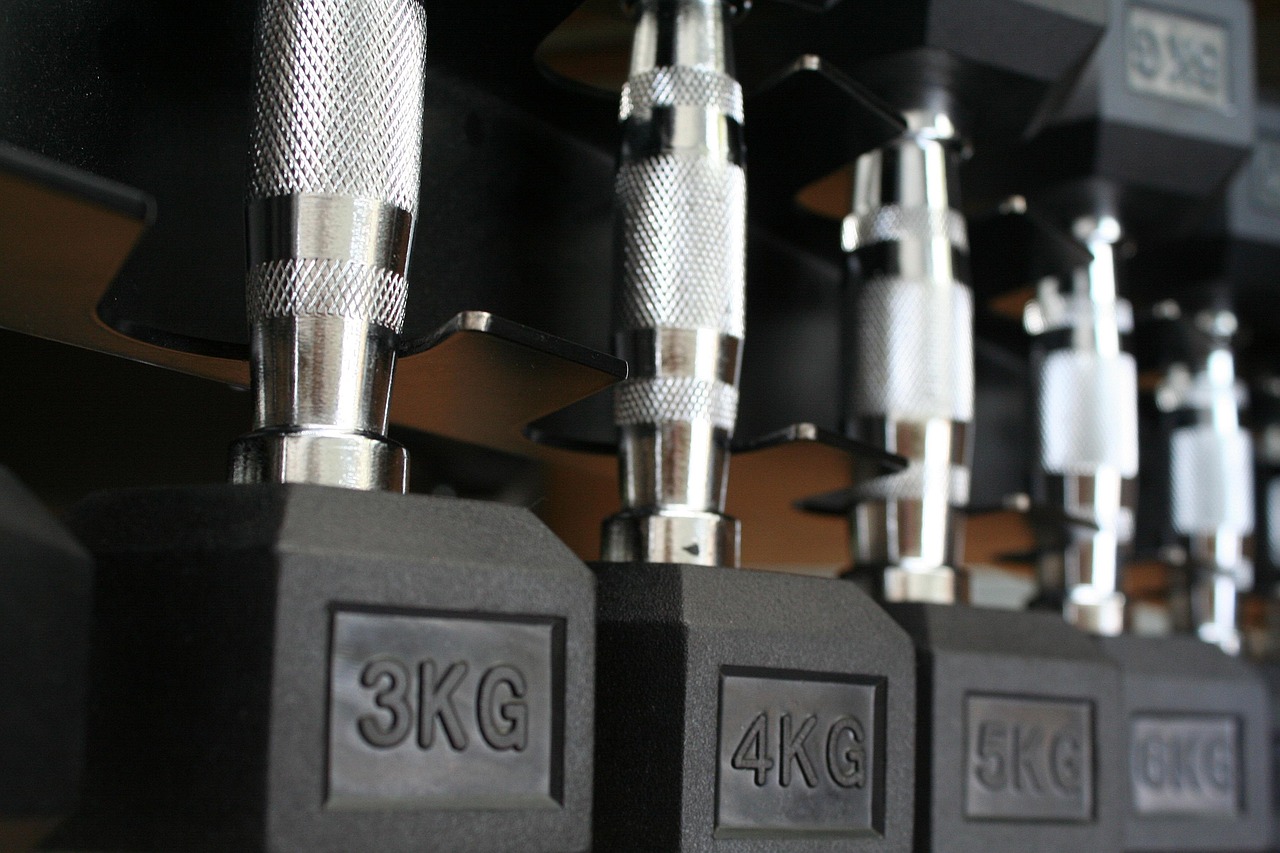

The Impact of Strength Training Machines on Bone Health
Strength training machines have garnered significant attention in the realm of bone health, especially among individuals who prioritize fitness as part of their lifestyle. Research indicates that engaging in regular strength training can yield positive results in bone density, which is crucial for preventing osteoporosis and fractures. These specialized machines provide targeted resistance, allowing for isolation of specific muscle groups and bones, promoting greater muscular strength and stability. By enhancing muscle mass around bones, these machines effectively reduce stress on skeletal structures during activities. Furthermore, resistance training stimulates osteoblasts, the cells responsible for forming new bone tissue. Consequently, utilizing strength training equipment may facilitate favorable improvements in overall bone mass and structure. Particularly beneficial for postmenopausal women, incorporating strength training exercises can significantly lower risks associated with declining bone density. Additionally, strength training machines are designed to accommodate various fitness levels and progressions, enabling users of all ages to safely engage in effective workouts. Prioritizing bone health through consistent use of these machines reinforces the importance of informed training regimens tailored to individual needs.
One of the significant advantages of strength training machines is their ability to provide controlled movements, decreasing the risk of falls or injuries typically associated with free weights. This feature is especially valuable for older adults and those recovering from injuries, making it easier to incorporate strength training into their fitness routines. The guided paths of machine exercises help to maintain proper form while training, reducing the risk of muscle imbalances that can arise from poorly executed movements. Additionally, strength training machines often allow for easy adjustments to accommodate various sizes and strength levels, making them highly versatile. This adaptability is beneficial for groups of all ages, as individuals can progress at their own pace, promoting consistency in workouts. Moreover, strength training has been shown to yield mental health benefits by boosting confidence through improved strength and mobility. Enhanced bone health further contributes to overall well-being, highlighting the interconnectedness of physical and mental health in the context of regular exercise. Additionally, using strength training machines can also encourage a social aspect by enabling group fitness classes that foster connections among participants, enhancing motivation and accountability.
Research conducted in recent years underscores the significant relationship between resistance training and bone mineral density. One long-term study revealed that individuals participating in consistent strength training exhibited increased bone density levels over time compared to their sedentary counterparts. Strength training machines specifically target the major muscle groups, leading to considerable gains in strength and mass. This response is crucial for effective biomechanical loading of the bones, stimulating remodeling and enhancing structural integrity. As individuals engage in targeted exercises using training machines, they can effectively alleviate some of the decline associated with aging. Notably, higher muscle mass contributes to bone density improvement, emphasizing the importance of strength training in preserving skeletal health throughout one’s lifetime. Additionally, many strength training machines offer various settings to ensure individualized training experiences, allowing users to tailor their workouts based on personal goals. This customization can further encourage adherence to an exercise program, which is vital for achieving long-lasting results in bone health. It’s crucial to recognize that incorporating strength training into an overall balanced fitness regimen can yield profound benefits not only for bones but also for overall physical health and strength.
Incorporating strength training machines into a fitness routine can encourage consistency and commitment among individuals. Unlike some exercise forms, machines offer easy navigation and learning curves, appealing to beginners and experienced exercisers. This convenience can enhance motivation to engage in regular workouts, ultimately supporting bone health objectives. Additionally, research has indicated that resistance training sessions can also support cardiovascular health, creating a dual benefit for overall well-being. By using machines specifically designed for strength training, individuals can target areas like the lower back, hips, and legs, which are significant contributors to maintaining bone density. Due to the safety and assurance provided by these machines, users are less likely to skip essential workouts, fostering healthier lifestyle decisions over time. Moreover, collaboration with fitness professionals can enhance efficacy, ensuring that individuals execute exercises appropriately to maximize benefits. Fitness instructors can guide users on exercise selection, setup, and routines, enhancing strengths while mitigating weaknesses. Resistance training supplemented with professional guidance can yield far-reaching impacts on bone health, muscle strength, and mental well-being.
Bone Health Benefits of Strength Training Machines
Some specific strength training machines focus on particular muscle groups crucial for maintaining optimal bone health. Leg press machines, for example, can enhance leg strength, which plays a vital role in reducing fall risks. Similarly, machines such as lat pulldowns and chest presses target upper body strength, essential for daily activities and overall stability. Utilizing machines for these exercises ensures that users can apply proper form and gradual progression, essential for reducing injury risks. Another key advantage of strength training machines is the ability to offer progressive overload, crucial for inducing strength adaptations and ensuring that muscles continue to grow and adapt. Over time, progressing to heavier weights will reinforce muscle and bone density improvements. Adjusting the settings and incorporating varied exercises can further challenge muscles and prevent plateaus. Moreover, adherence to appropriate resistance levels can facilitate longer associations between strength training and bone health benefits. As a result, users can concatenate consistent strength workouts, making significant progress in bone density levels through deliberate training.
For those who are technologically inclined, many modern strength training machines come equipped with digital tracking and feedback systems, promoting even more effective training strategies. These advanced features can help users monitor their progress over time, making it easier to set and achieve fitness goals. Engaging with data encourages individuals to invest in their training regimens actively. Additionally, utilizing visual data may enhance understanding of exercise impacts on bone health, emphasizing the importance of developing effective workout habits. Within the context of community-based fitness facilities, machines allow for integration across different programs, from group classes to personal training sessions. This collective training approach can motivate individuals to stay consistent and engage in various strength training exercises regularly. Moreover, associating with others in a group fitness context offers a supportive network, reassuring participants to stay accountable while aiming for healthier bones. Furthermore, this communal aspect interweaves social interactions with physical fitness, reinforcing the importance of camaraderie in achieving individual and shared health goals.
Conclusion: Embracing Strength Training for Bone Health
In conclusion, the impact of strength training machines on bone health cannot be overstated. Regular engagement in resistance training that incorporates these machines has the potential to significantly enhance bone density and overall skeletal strength. The benefits achieved through muscle mass increases exemplify essential adaptations to aging and physical decline. Importantly, these machines cater to various fitness levels and goals, making strength training accessible and effective for anyone interested in improving their health. The safety, controlled environment, and guidance available from these machines encourage consistent usage, laying the foundation for long-lasting physical wellness. It is critical to recognize that strength training may also yield mental health benefits, enhancing confidence and self-efficacy through improved physical performance. With supportive communities, guided programs, and chair-centric exercises, users can develop sustainable fitness habits that lead to lasting contributions to bone health. Ultimately, adopting a strength training regimen focused on machine exercises represents a proactive approach to sustaining bone strength and enhancing overall well-being.
As individuals navigate their strength training journeys, utilizing available resources and connecting with fitness professionals can maximize their outcomes. Focused approaches that incorporate strength training machines have the potential to rejuvenate one’s approach to physical wellness. By understanding the significance of bone health and tailoring specific workouts using these machines, individuals can embark on a journey toward healthier lives. Strength training should be viewed as a vital investment, not only for improved performance but for maintaining a foundation of well-being through the lifespan.