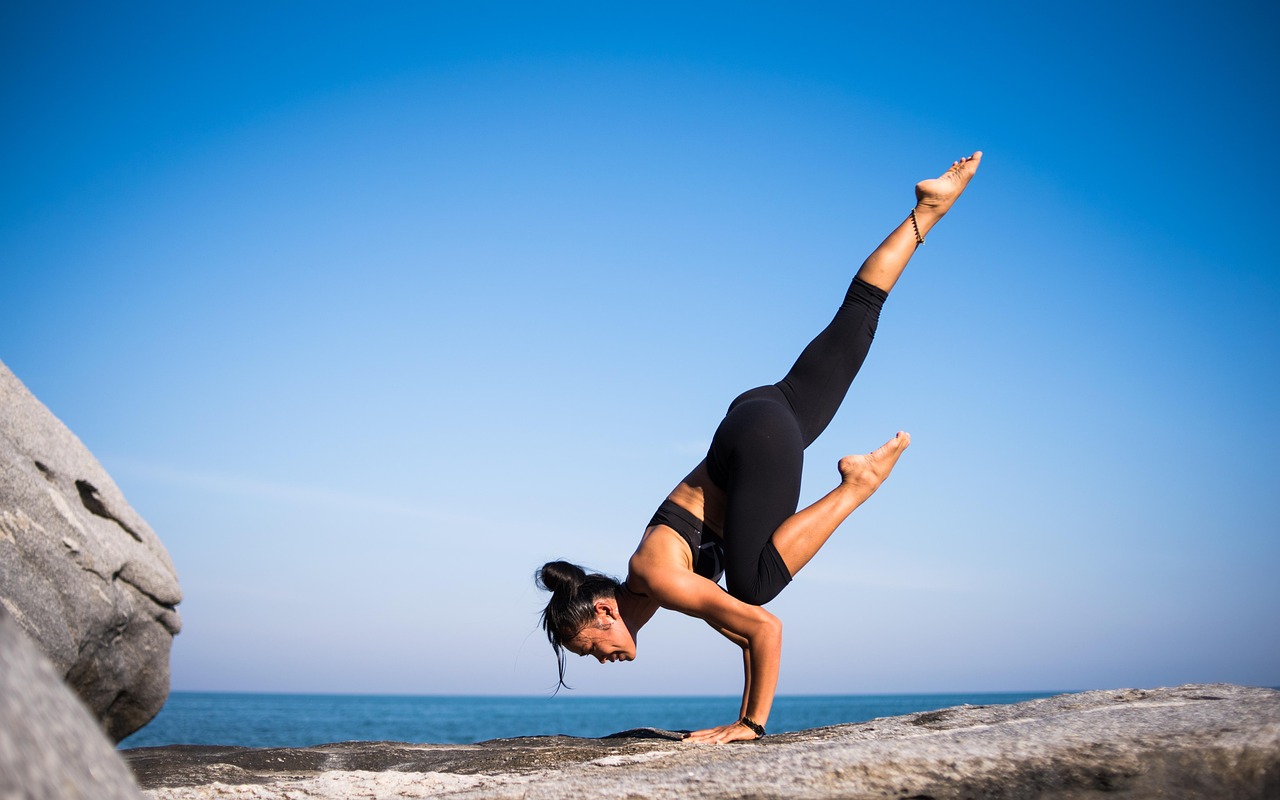

The Importance of Balance Training for Older Adults
Balance training is essential for older adults as it significantly reduces the risk of falls, a leading cause of injury in seniors. According to the Centers for Disease Control and Prevention, millions of falls occur each year, resulting in serious injuries, including fractures and head trauma. Fall-related injuries can have devastating consequences, affecting the quality of life and independence of older individuals. Effective balance training exercises help to improve proprioception, which is the body’s ability to sense its position in space. Engaging in these exercises also enhances strength and coordination, crucial factors for maintaining stability. Simple activities like tai chi, yoga, and specific strength exercises can form an effective routine. Community programs often provide resources and support to help seniors get started. Additionally, the social aspect of group exercise can motivate older adults to maintain regular physical activity. It is never too late to start training for better balance; many seniors see immediate benefits. Remember to consult with a healthcare provider before starting any new exercise regimen to ensure safety and suitability for individual health conditions. Incorporating balance training can lead to a healthier, more active lifestyle.
Benefits of Balance Training
Practicing balance work yields numerous benefits for older adults. Firstly, it significantly decreases the likelihood of falling, giving patients the confidence to engage more in daily activities. Secondly, balance training improves muscle strength, especially in the lower body. Stronger leg muscles can elevate stability and mobility, allowing seniors to navigate their environment better. Enhanced balance transfers positively into various aspects of life, including improved walking and reduced fear of falls. Thirdly, these exercises often enhance flexibility. Flexibility aids in preventing injuries and allows seniors to move more freely. Furthermore, balance training can also influence mental health positively. Regular participation can lift mood, reduce anxiety, and help combat feelings of loneliness. When older adults partake in balance training, they can also find social connections, easing the transition into an active lifestyle. In conclusion, the multi-faceted benefits of balance training contribute to improved overall health, both physically and mentally, for older adults. They emphasize the importance of staying active and how it can affect the aging process. Parents or guardians should encourage seniors to be involved in these beneficial activities to reap the advantages.
Types of Balance Exercises
Several types of exercises specifically target balance improvement, ensuring that older adults can find suitable options. One popular activity is tai chi, a gentle form of martial arts that promotes fluid movement and mental focus. It is known for its effectiveness in enhancing balance and coordination. Another recommended exercise is yoga, which embraces stretching, strength, and balance poses tailored for seniors. Yoga promotes tranquility and strengthens the body, improving stability and flexibility. Standing on one leg is a simple balance exercise that can be performed at home and progressively challenged by closing eyes or swaying gently. Engaging in low-impact aerobics can also enhance overall body control. Resistance training can improve overall muscle strength and endurance, indirectly aiding balance maintenance. Simple tasks, like walking heel-to-toe, can enhance stability as well. Always ensure exercises are tailored to individual capabilities; starting with gentle movements is wise. It is essential for seniors to choose activities that match their fitness levels, ensuring safety during practice, which helps develop new skills gently. Including these varied activities can contribute to a comprehensive balance program, welcoming more seniors towards a healthier lifestyle.
Including balance training in daily routines often leads to better overall physical health for older adults. Improved strength and flexibility help with many daily tasks. Over time, as balance training becomes a regular part of seniors’ routines, they may find everyday activities easier to perform. These can include tasks like standing up from a chair, reaching for objects on a high shelf, or even adjusting to changes in terrain. Participating in group classes offers community bonds, fostering emotional health. Regular attendance encourages peers to support one another in workouts. Gains in emotional health often translate to a more robust support network. Seniors are more likely to stay motivated when they can share successes and challenges with others. This interaction fosters a positive attitude toward exercise and a sense of accomplishment. Additionally, strength and flexibility gained through balance training aids in daily movements, increasingly important as one’s body ages. Building confidence through improved balance can decrease the fear of falling, which is a common concern among seniors. Establishing these exercises into daily practices can help tailor an engaging tool for safer living.
Safety Considerations During Balance Training
When older adults engage in balance training, ensuring safety during exercise is a top priority to minimize risk. Before embarking on a new exercise program, seniors should consult a healthcare provider. This precaution checks for any pre-existing conditions affecting their ability to perform certain movements safely. Having a responsible partner present can also provide support and security throughout the exercises. Exercises should start slowly, with a focus on proper form and technique. Utilizing sturdy furniture, a wall, or railings for support is advisable when performing balance exercises. Ensuring the environment is free from tripping hazards—such as rugs and clutter—contributes to safer workout conditions. Wearing comfortable, stable footwear also minimizes slipping and falling risks. It is essential not to push the body’s limits too quickly; seniors should listen to their bodies and stop if they feel fatigued or dizzy. Implementing these safety measures can make balance training more effective and enjoyable for older adults. A cautious approach fosters an atmosphere where seniors can feel secure while they work on improving their balance.
As older adults increasingly recognize the importance of balance training, community resources are becoming more important. Many local organizations offer classes and workshops tailored specifically to seniors. These programs often focus on exercises that enhance balance and flexibility. Participation in these community initiatives can motivate seniors to stay engaged and connected. Additionally, fitness centers and wellness facilities frequently accommodate this demographic through age-appropriate offerings. Integrating fitness into routines is essential for both physical and mental wellbeing. Many older adults may prefer small group settings, which emphasize camaraderie while exercising. Trainers who specialize in working with seniors will understand the unique needs of each participant, thoughtfully guiding exercise choices. This ensures a supportive atmosphere for people to thrive in their fitness journeys. Online resources and classes have also gained popularity, giving seniors access to balance training from home. Being aware of these various options encourages older adults to follow through with balance training. This accessibility enhances the likelihood of maintaining a consistent exercise regimen while experiencing the benefits. Overall, community programs and resources serve as an excellent platform for promoting healthy habits.
Creating a Personalized Balance Training Routine
Creating a tailored balance training routine for older adults serves as an approach to meet individual needs effectively. Each senior will have unique fitness levels and objectives, guiding exercise selection. Start by identifying personal goals—whether improving stability during walking or increasing independence in daily living. Constructing routines with a variety of exercises increases adherence and prevents boredom. Each session can include a mix of strength training, tai chi, and simple movements like standing on one leg. Emphasizing enjoyable activities enhances the likelihood of success. Take note of progress, no matter how small, and celebrate achievements to maintain motivation. Regularly reassessing goals will allow for modifications as fitness improves, ensuring continued challenges. Establishing a schedule that fits seamlessly into a daily routine can help prioritize balance training, fostering commitment. Some may benefit from setting reminders or using fitness trackers to monitor activity. Involvement from family members or friends can provide additional support, ultimately creating healthier habits together. A personalized approach ensures that older adults stay engaged and committed, reaping the various benefits of balance training while maintaining independence and improving their quality of life.
In conclusion, the importance of balance training cannot be overstated for older adults. Engaging in these exercises equips them with improved stability, strength, and confidence. The combination of physical benefits, emotional advancements, and social opportunities leads to a holistic approach towards health. Healthier seniors add to community vibrancy and adaptability, ensuring that they can participate actively in society. Encouraging balance training in daily routines can profoundly impact senior lifestyles. By incorporating these exercises thoughtfully into individuals’ daily lives, family members and caregivers can support their loved ones in maintaining independence. Community resources, such as workshops and fitness classes, encourage seniors to explore various options and establish a consistent exercise practice. The right balance training routine can yield long-lasting effects on overall health, allowing seniors to embrace an active lifestyle. Through engagement in these beneficial activities, older adults not only reduce their risk of falls but also enhance their quality of life. Everyone should advocate for balance training, promoting health resources that nurture our senior population. As society values healthy aging, recognizing the significance of balance training can pave the way for healthier futures.