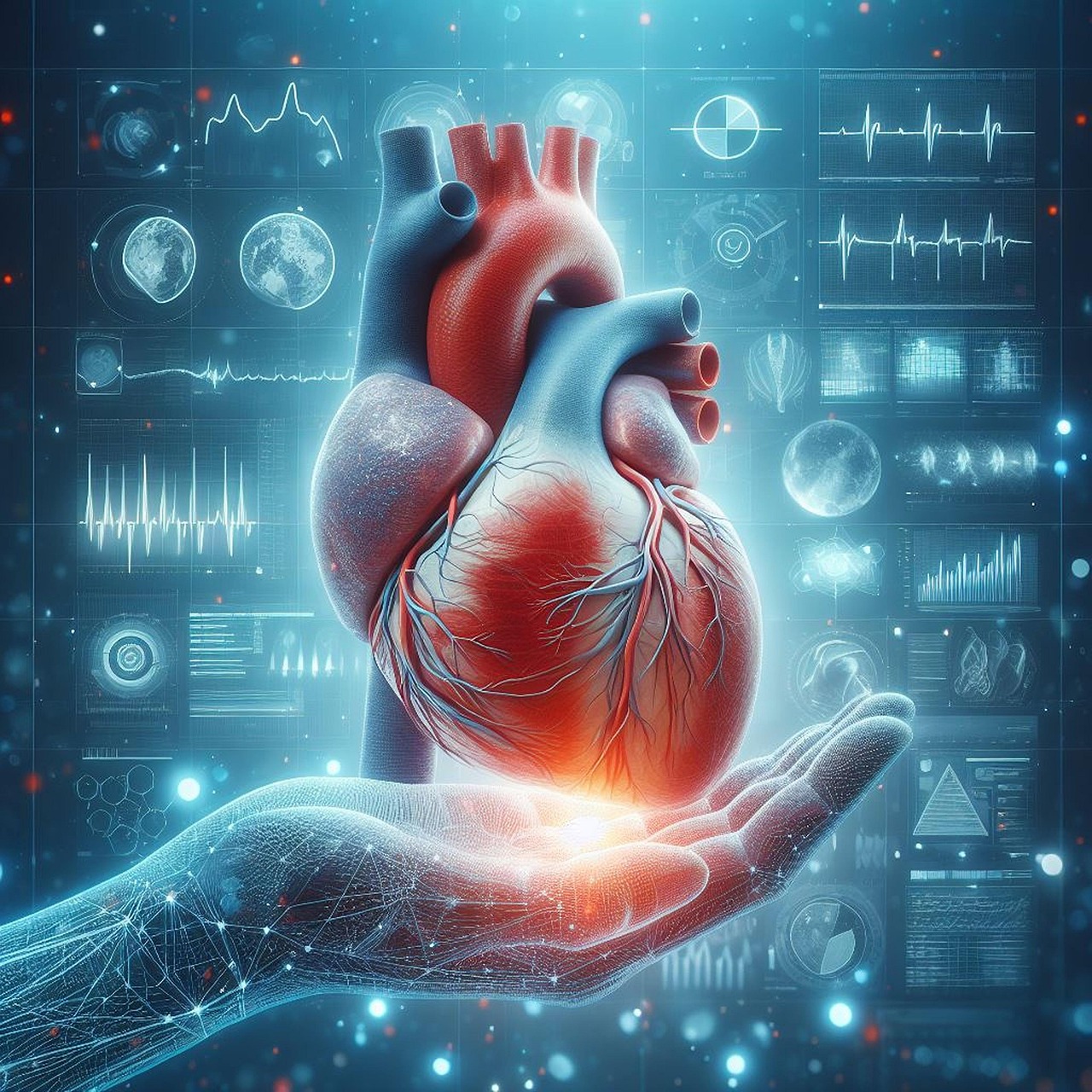

Why Cardiovascular Fitness is Crucial for Athletes and Non-Athletes Alike
Cardiovascular fitness plays a pivotal role in maintaining overall health for both athletes and non-athletes. It refers to the efficiency of the heart, lungs, and muscles in delivering oxygen during sustained physical activity. An effective cardiovascular system can help reduce risks associated with numerous health conditions such as diabetes, heart disease, and obesity. Enhancing cardiovascular fitness involves activities such as running, cycling, swimming, and aerobic exercises. Regular engagement in these activities leads to improved heart rate efficiency and reduced resting heart rates. For athletes, achieving peak performance relies heavily on cardiovascular endurance, as it is fundamental to their training. However, it is not just about sports; maintaining cardiovascular fitness is equally critical for the larger population. When individuals improve their cardiovascular health, they may also experience increased stamina during daily tasks, resulting in higher quality of life. Thus, focusing on cardiovascular fitness can lead to long-term health benefits and a more active lifestyle, ultimately ensuring that everyone reaps the rewards, whether in sports or everyday living. Incorporating cardiovascular activities into routines can yield substantial benefits for overall health and well-being.
One significant impact of cardiovascular fitness is its effect on mental health. Regular aerobic exercise has been shown to reduce symptoms of anxiety and depression. This blossoming mental well-being stems from the release of endorphins during exercise, which enhances mood and creates a sense of well-being. Furthermore, engaging in cardiovascular exercises can lead to improved sleep quality. A good night’s sleep results in better cognitive function, emotional regulation, and enhanced energy levels throughout the day. Therefore, not only does cardiovascular fitness contribute physically, but it also plays an essential role in mental health improvement. By fostering mental resilience and clarity, individuals can manage stressors more effectively. Importantly, these psychological benefits extend to everyone, regardless of their fitness level. Simply walking, jogging, or cycling a few times a week can encourage positive changes in mental health. Group activities can further enhance social connections, providing a support network that is vital for mental wellness. Establishing a routine that incorporates cardiovascular exercise may be one of the best gifts one can give to oneself, enhancing overall life satisfaction in myriad ways.
The Role of Diet in Cardiovascular Health
Diet plays a critical role in cardiovascular health. Consuming a balanced diet rich in fruits, vegetables, whole grains, and lean proteins can significantly influence cardiovascular fitness levels. Nutrient-dense foods provide the essential vitamins and minerals that support heart health and improve overall fitness. Foods high in omega-3 fatty acids, such as salmon and flaxseeds, can help lower blood pressure. Meanwhile, reducing the intake of saturated fats, trans fats, and cholesterol can also prevent arterial plaque buildup. Incorporating fiber-rich foods, like beans and whole grains, can aid in maintaining healthy blood cholesterol levels. Hydration is another essential factor; drinking sufficient water helps maintain blood volume and overall circulation. The synergistic effect of proper nutrition and cardiovascular exercise is vital for both athletes striving for peak performance and non-athletes seeking to improve overall health. Additionally, monitoring caloric intake in relation to exercise can help maintain a healthy weight, further reducing heart disease risk factors. Making conscious dietary choices can greatly enhance the results achieved through cardiovascular training and serve as a cornerstone of long-term health benefits.
Various forms of exercise contribute significantly to cardiovascular fitness, each offering unique benefits. Engaging in activities like running or cycling improves cardiovascular endurance, allowing the heart to pump more efficiently. Alternatively, swimming not only provides cardiovascular benefits but also enhances muscle strength, flexibility, and endurance simultaneously. High-Intensity Interval Training (HIIT) is another effective method to boost cardiovascular fitness. Brief intervals of high-intensity activity followed by rest periods elevate heart rates, leading to improved cardiovascular efficiency. Regular participation in differing exercises also helps to prevent monotony, making it easier to maintain an exercise routine. This variety is essential to prevent plateaus in fitness progress. Moreover, group classes or sports can foster motivation and accountability, making exercise more enjoyable. For those who are just starting out, walking briskly for thirty minutes a day is an excellent way to initiate cardiovascular fitness. Furthermore, incorporating regular activities like gardening or dancing can also cultivate cardiovascular health. Ultimately, the key is to find enjoyable, sustainable methods of physical activity to maintain high levels of cardiovascular fitness over time.
Long-Term Health Benefits of Cardiovascular Fitness
Engaging in consistent cardiovascular fitness activities exhibits remarkable long-term health benefits. Enhancing cardiovascular health reduces the risk of chronic diseases and improves quality of life for individuals. Studies have demonstrated a strong correlation between regular cardiovascular exercise and reduced mortality rates. Lower incidence of cardiovascular diseases such as hypertension, stroke, and heart attack is typically observed among those who maintain an active lifestyle. Another vital long-term benefit is improved metabolic function, which aids in weight management and can lead to more balanced blood sugar levels. Over time, individuals may experience increased energy levels and improved mood. These positive outcomes enhance personal and professional interactions, allowing for greater participation in social activities. Furthermore, maintaining cardiovascular fitness can play a significant role in healthy aging. Older adults who prioritize cardiovascular health demonstrate better mobility, functional independence, and mental sharpness. Thus, prioritizing cardiovascular exercise not only enhances well-being but can also prolong life expectancy. The integration of cardiovascular activities into one’s lifestyle offers a pathway to sustained health and vitality throughout life’s stages, maximizing the potential for living fully and energetically.
Incorporating cardiovascular fitness into daily routines can significantly improve emotional resilience. Physical activity often acts as a natural stress reliever. When engaging in exercise, individuals experience a release of therapeutic endorphins that enhance feelings of happiness and well-being. This emotional uplift counters the stresses of daily life, leading to an overall sense of calmness. Furthermore, exercising in nature or public spaces can heighten this effect by promoting feelings of connection and tranquility. Notably, the social aspect of group fitness activities cannot be overlooked. Participating in classes or team sports fosters community and shared experiences, helping individuals combat feelings of loneliness or isolation. Social support is integral for maintaining motivation and accountability in fitness efforts. Additionally, engaging in cardiovascular exercise can aid in developing a positive body image, where individuals begin to appreciate their physical capabilities rather than focusing solely on aesthetics. As a result, this promotes a healthier relationship with oneself. Overall, emotional benefits derived from cardiovascular fitness extend beyond the workout itself, positively influencing all areas of life and enhancing relationships with both self and others.
Final Thoughts on Cardiovascular Fitness
In conclusion, cardiovascular fitness remains a fundamental aspect of overall health for everyone. Regardless of age or fitness level, the advantages gained from engaging in regular cardiovascular activities are profound. From enhancing mental wellness to reducing chronic disease risk, the benefits are extensive and multifaceted. By adopting a lifestyle that embraces varied forms of cardiovascular exercise, individuals can enhance both their physical and emotional states significantly. Furthermore, combining impactful dietary choices with exercise ensures greater health outcomes. Ultimately, everyone can integrate simple activities into their daily lives, including walking or jogging, making it accessible for all seeking improved health. By prioritizing cardiovascular fitness, individuals cultivate habits that promote longevity and well-being. Seek to challenge yourself with new activities and cultivate enjoyable experiences in exercise. As cardiovascular health improves, so too will the quality of life, illuminating the path to a brighter, energetic future. Therefore, this vital aspect of health should be at the forefront of personal wellness strategies, creating a foundation for a fulfilling lifestyle. With commitment and consistency, anyone can experience the transformative advantages of cardiovascular fitness.