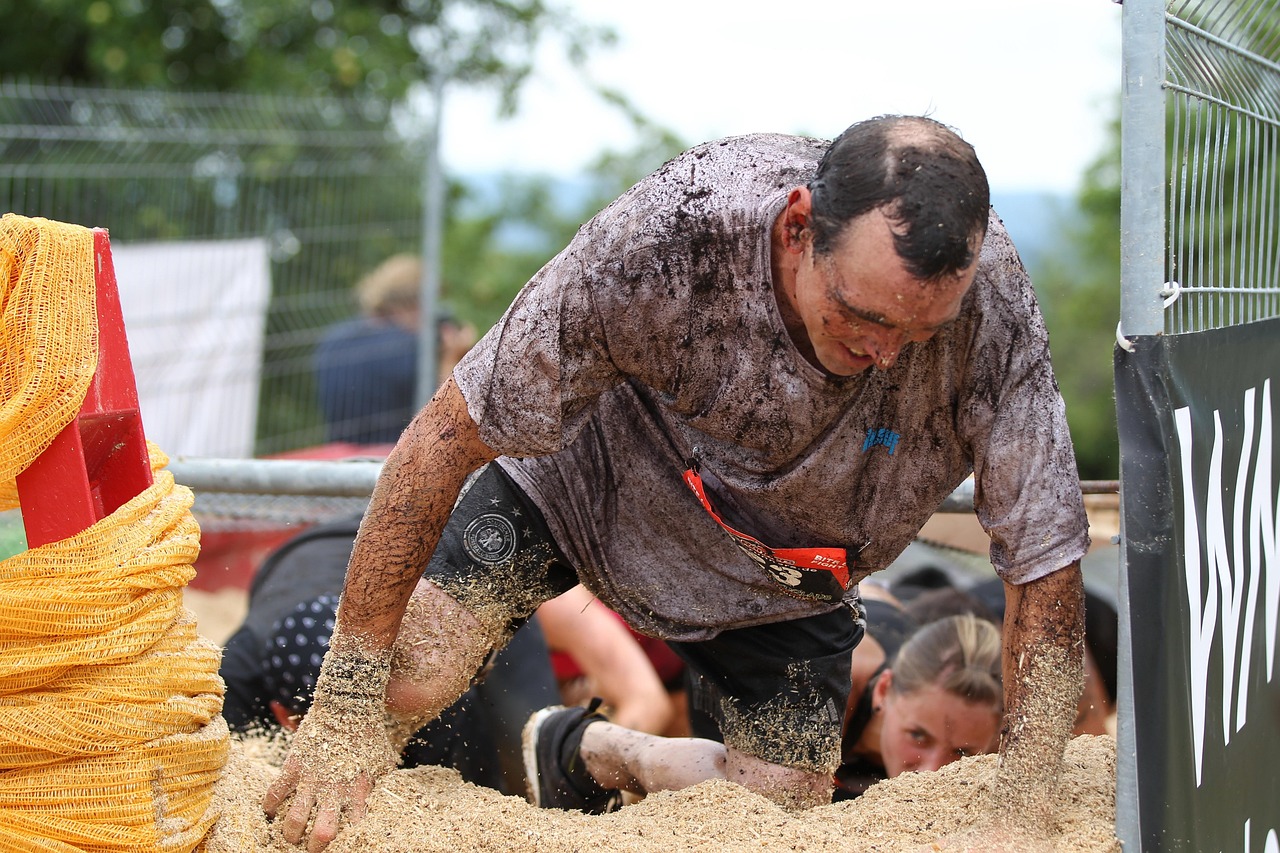

Adapting Your Training for Seasonal Mud Runs
Seasonal mud runs present a unique challenge for athletes of all levels, requiring adaptability and specific training preparations. The muddy terrains found near water can significantly impact your performance due to their unpredictable nature. To excel in mud runs, it is essential to integrate specific training strategies that prepare you for slippery and uneven ground conditions. One effective approach is to focus on strength and endurance workouts that target lower body muscles. Exercises such as lunges, squats, and deadlifts build the necessary strength to navigate through challenging mud sections. Moreover, incorporating cardiovascular training will help improve your stamina, allowing you to sustain long periods of exertion while trudging through thick mud. To complement this, it’s advisable to train on various terrains, mimicking conditions you’ll encounter during the mud run itself. Running on trails, grass, and even sand introduces variability which enhances your footwork and balance, giving you an edge on the day of the event. Lastly, don’t forget to hydrate adequately before the run, as lurking obstacles might make it easy to overlook this essential component of your training regimen.
Warm-ups are crucial before participating in a mud run; they prepare your body to handle unforeseen physical strains and prevent injuries. Start your warm-up routine with dynamic stretches that focus on your legs and core. Engaging in movements like leg swings and high knees helps increase blood flow to your muscles and enhances flexibility. Additionally, practicing your footing on various surfaces can significantly reduce the risk of slips during the actual event. Consider participating in practice runs over diverse terrains, especially those resembling a mud run’s conditions. This familiarization can boost your confidence and ability to react quickly to changes in terrain. Moreover, consider incorporating agility drills into your training plan; activities like ladder drills will improve your coordination and quick foot placement. On the day of the event, successful preparation involves arriving early, allowing time for a proper warm-up routine. This advance preparation enables you to mentally and physically transition into race mode. Lastly, remember to dress appropriately for the mud run, wearing shoes with sufficient grip is vital for navigating slippery conditions effectively.
Nutrition and Recovery
Nutrition plays a pivotal role in ensuring your energy levels remain high throughout your training and the mud run itself. Focusing on a balanced diet, rich in carbohydrates, proteins, and healthy fats, will provide the sustained energy necessary for both training and performance. During training periods, prioritize nutrient-dense foods such as whole grains, lean meats, fruits, and vegetables. Incorporating adequate protein post-workout aids in muscle recovery, helps repair tissues, and builds strength. Don’t overlook hydration; drinking plenty of water before, during, and after your runs is essential. Consider including electrolyte-rich drinks during training to replenish lost salts. Recovery strategies should not be neglected either. Adequate sleep is crucial for optimal performance; ensuring you rest sufficiently will facilitate muscle repair and recovery. Techniques such as foam rolling or gentle stretching can alleviate soreness from intense workouts. Post-race recovery strategies including rehydration, protein intake, and light physical activity will aid in alleviating fatigue. Ultimately, a well-rounded approach to nutrition and recovery will enhance your overall performance during mud runs and ensure you enjoy the experience.
Registration for mud runs often opens months in advance, meaning planning is essential. Research your chosen events thoroughly, considering the terrain and climate for the time of year. Different mud runs offer varied challenges; some may incorporate obstacles while others focus solely on distance and mud. Selecting events that align with your fitness level and training enables you to plan effectively. Ensure you allocate enough training time to adapt your regimen to the demands of the specific event. Often, knowing what to expect helps reduce anxiety on race day. It’s advisable to join online communities or forums related to mud runs. These platforms provide a wealth of knowledge, from gear recommendations to personal experiences. Participating in a few local races leading up to your chosen mud run will boost your confidence and performance. Don’t hesitate to ask for advice or insights from experienced participants; they often share invaluable tips. Additionally, documenting your training progress fosters motivation and allows for adjustments that can optimize results further. Adapting your training accordingly will enhance your competitive edge when venturing into muddy terrains.
Equipment and Gear Selection
The right equipment and gear are integral to succeeding in mud runs, considering the unique challenges presented by mud and water. Investing in quality trail running shoes that provide excellent traction can significantly reduce the likelihood of slips. Look for shoes specifically designed for muddy conditions, featuring deep lugs for better grip. Wearing moisture-wicking clothing is also essential; it helps prevent chafing and allows your body to regulate temperature. Quick-dry materials are practical, given that mud runs may expose you to wet conditions. Ensure your gear is comfortable and won’t hinder your movement during the event. Consider wearing gloves during the run, as they can aid grip when navigating obstacles. Additionally, be cautious when selecting socks; it’s wise to choose materials that quickly dry and resist blisters. Some participants opt for compressive sleeves to support their muscles during races. Lastly, don’t forget to check the event’s regulations regarding permitted gear, as some races may have restrictions. Ultimately, proper gear ensures you remain focused on the challenge rather than discomfort or equipment issues.
Safety should be a priority throughout your preparation and during the mud run itself. Understanding the risks associated with muddy terrain can help you to mitigate accidents effectively. Upon arriving at the venue, familiarize yourself with the course layout, recognizing potential hazards along the way. Listening to pre-race instructions is crucial, as race officials often provide information regarding safety protocols and emergency plans. During the race, maintaining awareness of your surroundings will enable quick reactions to obstacles, such as fallen branches or slippery paths. Teamwork is often encouraged in mud runs; motivate fellow participants while watching out for one another in tricky sections. Additionally, if any physical discomfort arises during the race, don’t hesitate to alert a race official. It’s essential to know your limits and ensure you’re not pushing beyond them, as such actions may result in serious injuries. Make a mental note of locations featuring medical assistance, should you need help. Adopting these precautionary measures facilitates a safer and more enjoyable experience when participating in mud runs.
Post-Race Reflection and Future Training
After completing a mud run, it’s crucial to reflect on your experience to identify strengths and areas for improvement. Analyze your performance, paying attention to elements such as pacing, obstacles faced, and how you managed your energy throughout the course. Documenting your insights right after the event can foster enhanced training strategies in the future. Did certain aspects of your training feel inadequate? Recognizing these factors helps inform your goals for upcoming challenges. Furthermore, connecting with fellow participants provides an opportunity to exchange experiences and gain alternative perspectives on performance. Consider setting fresh goals based on your reflections; these can be related to improving speed, tackling tougher mud runs, or mastering specific obstacles. As you transition into the next training cycle, incorporate feedback into your routine. Plan workouts that focus on enhancing specific skills, like upper body strength for climbing walls. Consistently evaluating your performance and adjusting your training will yield progression over time. Embrace a positive mindset and stay motivated to achieve your future goals in the exciting world of mud runs.
Finally, remember to celebrate your accomplishments after participating in mud runs. Completing such challenges is no small feat; you’ve trained hard and pushed yourself beyond comfort zones. Organizing a post-race gathering with friends or joining fellow participants for a fun reflection can strengthen community bonds. Share your experiences, whether they were highlights or hurdles, while encouraging newcomers. Additionally, consider volunteering or making notes for future mud runs to further enhance your camaraderie with the community. Planning your next mud run can keep the momentum going, fostering excitement for new challenges. Engage in various physical activities that maintain your fitness level and keep your enthusiasm alive. Activities like strength training or hiking can keep you in shape between runs as you decide on future goals. Every mud run brings new learning opportunities, enhancing your adaptability and resilience. Keeping a consistent schedule allows you to approach future challenges with confidence. Cherishing these experiences not only builds camaraderie but also ensures your passion for mud runs continues to thrive in subsequent seasons.