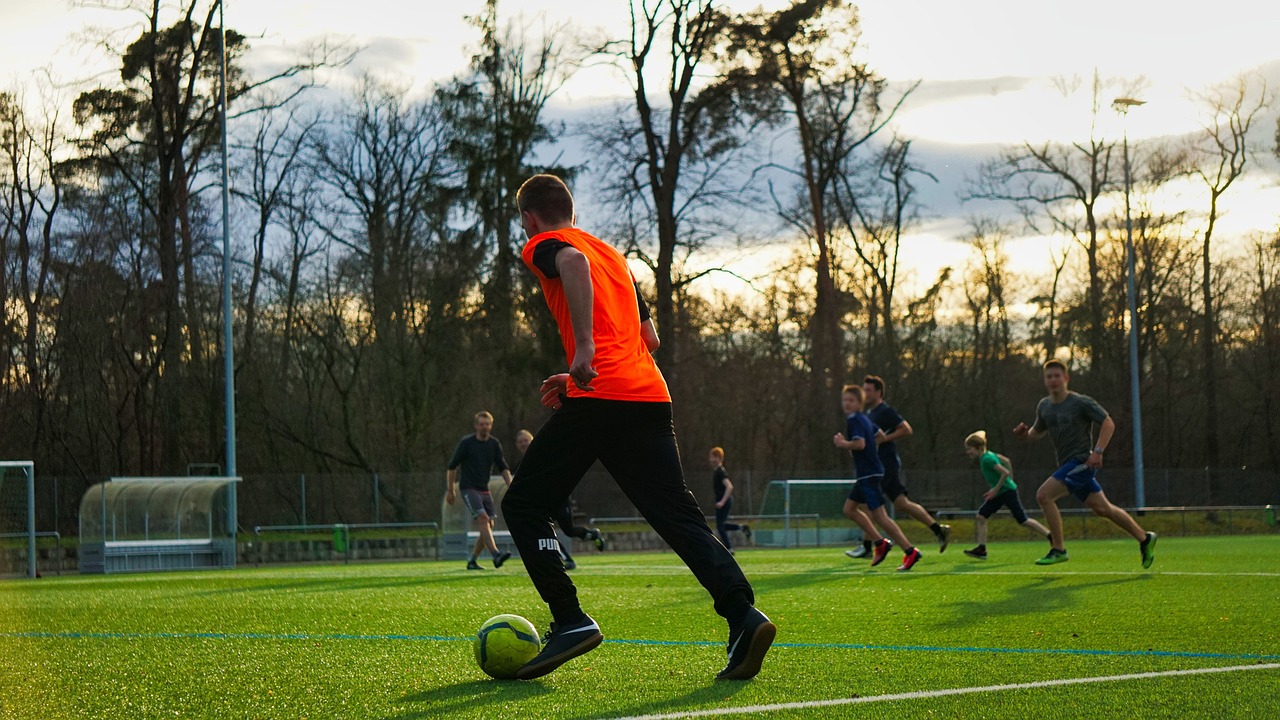

Building Team Cohesion Through Group Fitness Sessions in Football
Football is not just a game of skill, it’s also about teamwork and unity, both on and off the field. Group fitness sessions are an excellent way to build this cohesion among players. During these sessions, athletes not only boost their physical conditioning but also foster essential social bonds. When players train together, they share challenges and achievements, creating a sense of camaraderie. This environment can lead to improved communication during matches, as teammates learn how to read each other’s movements and intentions. Moreover, these sessions can break down barriers, encouraging even the shyest members to participate fully. Performing rigorous drills and exercises allows players to support one another, reinforcing trust and reliability. Strengthening these relationships can often translate into enhanced performance during critical game situations. The focus on activities like endurance training, agility drills, or synchronized exercises helps in uniting the team. In the long run, these fitness sessions contribute not just to a player’s physical health but also to the mental aspects of teamwork, integral to success in football. This holistic approach ensures that a team is ready to face any opponent together.
Group fitness sessions also provide an opportunity for players to improve their individual skills while contributing to team dynamics. Each player has unique strengths and weaknesses, which surface during these training periods, facilitating a deeper understanding of one another’s play styles. Coaches can tailor exercises to address specific needs while promoting collaboration. For example, peer-led drills encourage stronger players to mentor those less experienced. This mentorship fosters a positive learning atmosphere where teammates push each other to excel. Incorporating fun elements into fitness sessions can alleviate pressure. Competitive games or relay races can motivate players to work together toward common objectives. These games can ignite friendly rivalries, creating energy and enthusiasm throughout the group. When players engage in enjoyable activities collectively, they are likely to form lasting connections. Furthermore, effective group training builds resilience, as individuals face physical and mental challenges as a unit. By conquering obstacles together, the team learns to thrive in high-pressure situations. This adaptability is invaluable during actual matches when the stakes are high and teamwork is paramount. Group sessions, therefore, play a crucial role in molding both the athletes and the team as a whole.
Enhanced Communication and Understanding
Communication is the cornerstone of effective football. During group training sessions, players develop better communication skills, learning to convey their intentions clearly. Open dialogue fosters trust, enabling players to express concerns or offer encouragement during strenuous drills. Emphasis on vocal support enhances confidence in teammates. Furthermore, players become attuned to non-verbal cues, which is vital for on-field coordination. As they train together, players recognize patterns in one another’s movements, leading to seamless collaboration during games. This level of understanding can significantly reduce hesitation and errors during matches. Regular group sessions promote consistency in playing styles, facilitating quick decision-making as players intuitively respond to each other’s movements. When players communicate effectively, it reduces the likelihood of misunderstandings and mistakes during intense game situations. Group training also establishes a framework for accountability; players inspire one another to be disciplined while considering each other’s contributions and fitness levels. Coaches often incorporate drills that require players to lead or make decisions, further enhancing these communication skills. As a result, group fitness sessions become a breeding ground for synergy, ultimately translating to a well-coordinated and effective unit during competitive matches.
Additionally, group fitness sessions cultivate a sense of shared goals. When athletes train together regularly, they develop a collective ambition that transcends individual aspirations. This alignment in purpose strengthens the team’s cohesion and performance, as each member understands their role in achieving the team’s objectives. Furthermore, training in a group setting encourages accountability, as players feel obligated to show up and give their best for their teammates. This helps to foster a supportive environment where everyone motivates one another to push their limits. From running drills to participating in high-energy circuits, players experience the thrill of improvement as a collective. Each success, whether completing a tough task or achieving personal bests, is a victory for the entire group, reinforcing bonds between teammates. These shared experiences lead to the development of rituals, such as pre-game warm-ups or celebratory routines after successful matches, that further solidify team dynamics. As players create memories through shared physical challenges, they form a unique team identity. This identity becomes crucial for a successful season, as players confidently rely on their teammates in times of need, ultimately placing the team above individual thoughts.
Boosting Performance Through Group Dynamics
Performance on the pitch is influenced significantly by the group dynamics formed during training sessions. Athletes who participate in group training sessions tend to show improved skill sets, fitness levels, and overall play due to the motivation of their peers. When players see their teammates striving to reach new heights, it often inspires others to elevate their performance. The collective energy during sessions can amplify efforts, as individuals are inclined to push through fatigue, driven by the presence of their teammates. Additionally, competition within the group, even if friendly, leads to an increase in individual benchmarks. These peak performance moments reinforce work ethic and ambition throughout the entire team. Coaches can observe this evolving group dynamic and leverage it to tailor workouts that challenge and engage players. Specificity is vital, as focused training can address weaknesses while highlighting strengths. Encouraging players to track their individual progress fuels determination. This collective drive aids athletes in achieving performance targets, showcasing the positive correlation between group fitness and enhanced match day effectiveness. Ultimately, a unified effort during group sessions transforms not just individual potential but leads to a powerhouse team ready for challenges ahead.
Another benefit derived from group fitness sessions is the creation of a culture of resilience and mental toughness. Football is as much a mental game as it is physical. Training together under pressure cultivates a group mentality where players learn to navigate failures and successes collectively. Participants often face rigorous drills designed to challenge their endurance and stamina. As they conquer these challenges, they develop grit, allowing them to handle high-stress situations better during matches. The collective experience of pushing through difficult physical tasks fosters a strong sense of belonging, where teammates encourage one another. When individuals feel supported, they’re likely to take calculated risks, trusting their teammates to cover them. This culture of resilience enhances overall confidence, enabling players to perform at their best when it matters most. Group training thus transforms challenges into learning opportunities. Players come to understand that setbacks are a part of sports and that they can rely on their teammates for support. Training’s collaborative aspect prepares athletes for the mental hurdles they may face, translating this preparedness to high-stakes football scenarios. The shared resilience and determination truly reflect what teamwork means on and off the pitch.
Conclusion
Building team cohesion through group fitness sessions in football is significant for fostering a collaborative team environment and enhancing overall play. As players engage in meaningful interactions during training, they learn vital communication skills alongside physical training. Players strengthen bonds that fortify their ability to work as a unified team in high-pressure situations. The shared experience boosts motivation, promoting accountability and common goals. Players become more attuned to one another’s play styles, enhancing game dynamics resulting in better performance. Cultivating resilience within a strong supportive network fosters growth, allowing players to navigate challenges together. As a result, groups establish a powerful team culture that transcends individual contributions, allowing teams to thrive. Coaches should focus on utilizing these group sessions as essential tools for team development, integrating both physical conditioning and mental fortitude into training. A well-coordinated team understand each other’s strengths, which is critical during intense matches. Ultimately, football is about unity, teamwork, and collaboration; and group fitness sessions embody these principles, leading to lasting success on and off the pitch. By prioritizing group fitness, teams shape not just athletes but a community committed to excellence.
These firsthand experiences, built through group training sessions, will ultimately mold players into formidable athletes and citizens through their growth as teammates and friends. Each deliberate workout serves as a mathematical equation cultivated to foster synergy, resilience, and excellence.