
Fiber-Rich Foods to Enhance Senior Fitness and Digestion
As we age, the importance of proper nutrition becomes even more critical, particularly fibrous foods. These foods play a vital role in sustaining overall health and enhancing digestion, which can often decline with age. Fiber helps prevent constipation and supports a healthy gut. Rich sources of fiber include fruits, vegetables, whole grains, and legumes. By incorporating these fiber-rich foods into meals, seniors can maintain a balanced diet and improve digestive health. This article explores various fiber-rich foods that are both beneficial and easy to incorporate into daily meals. Additionally, we will discuss tips on how to increase fiber intake effectively. The goal is to foster understanding of the relationship between fiber consumption and senior fitness, ensuring seniors remain active and healthy. Remember, though, that hydration is equally crucial when increasing fiber intake. Ensuring ample water consumption can help the body process fiber efficiently, preventing discomfort or digestive issues. Together, these elements contribute to a well-rounded approach to senior fitness, which can enhance overall quality of life for older adults.
Top Fiber-Rich Foods for Seniors
Many specific foods provide excellent fiber sources that seniors should consider integrating into their diets. First, whole grains such as brown rice, quinoa, and whole wheat bread offer significant fiber content while also being versatile and easy to prepare. Second, legumes like lentils, chickpeas, and black beans serve not only as fiber sources but also provide protein. This dual benefit makes them an ideal food choice for seniors looking to meet their dietary needs. Third, fresh fruits like apples, berries, and pears are fantastic options; their natural sweetness makes them appealing snacks. Lastly, vegetables including broccoli, carrots, and peas are also fiber-rich and can be incorporated into various meals. Moreover, these foods are rich in essential vitamins and minerals, further supporting senior health. Incorporating a mix of these foods into everyday meals ensures a balanced intake of fiber. For seniors, combining these fiber-rich foods with regular physical activity can immensely improve their fitness levels. It’s crucial to customize choices to individual preferences and dietary restrictions, promoting adherence to a healthy lifestyle.
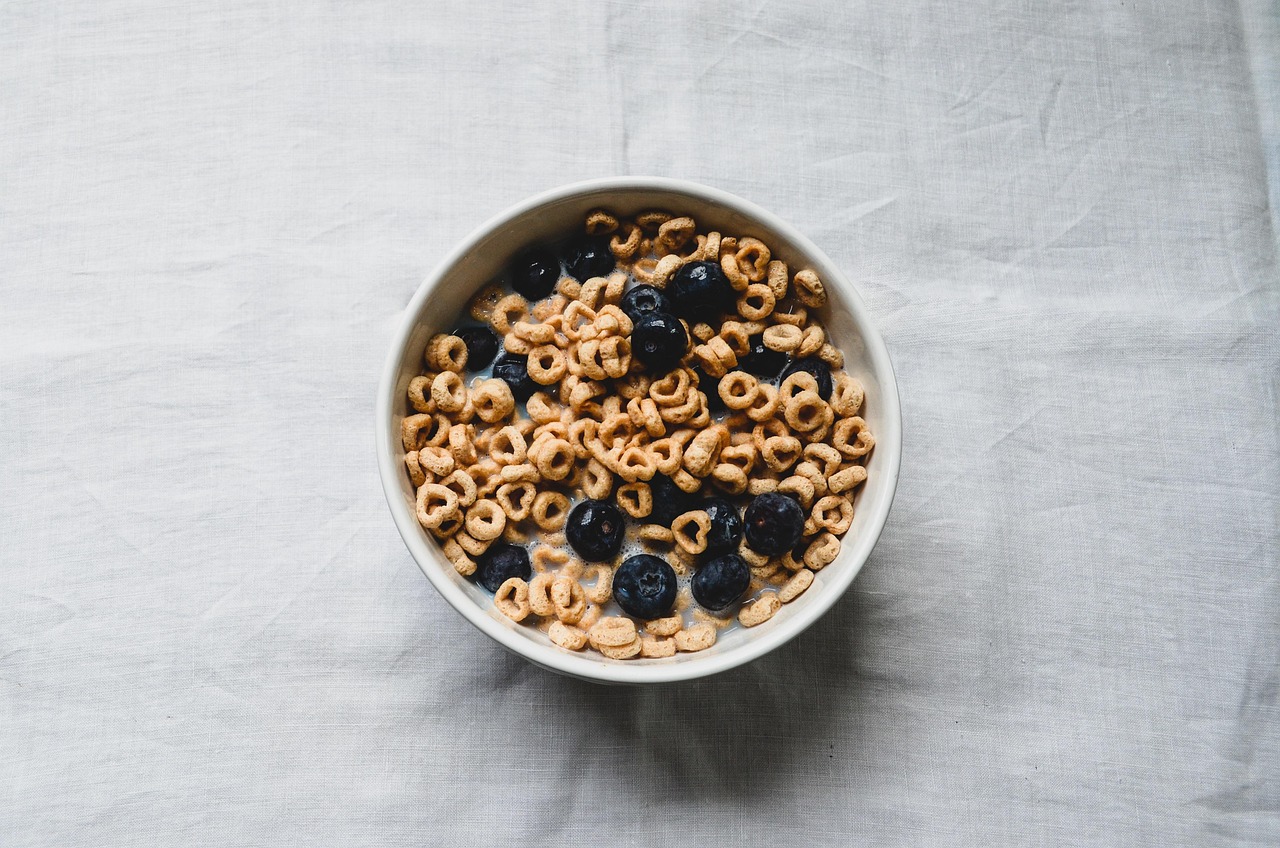
Another vital aspect of senior nutrition is exploring different ways to prepare high-fiber foods. Cooking methods, such as steaming or roasting vegetables, can enhance flavor while preserving nutrients, ensuring seniors enjoy their meals without sacrificing health benefits. Additionally, incorporating fruits into breakfast is an easy win. Seniors can add sliced bananas or berries to their oatmeal or yogurt, enhancing both taste and fiber content. Even snacks can be made healthier by choosing fiber-rich options like hummus with veggies or apple slices with peanut butter. However, proper planning is essential when introducing new fiber sources to avoid any potential digestive discomfort. Gradually increasing fiber intake allows the body to adjust without adverse effects. Seniors should make sure to monitor their physical responses to these dietary adjustments closely. If needed, consulting a nutritionist can provide valuable insights tailored to individual health goals. Furthermore, sharing meal preparation ideas with family members can enhance social interactions around food, making healthy eating more enjoyable. As a result, seniors can maintain optimal health while fostering meaningful connections with others.
Combining Fiber with Adequate Hydration
When discussing fiber-rich diets for seniors, hydration must be a consistent point of emphasis. Fiber absorbs water, which facilitates digestion and helps prevent constipation. Thus, ensuring adequate fluid intake alongside fiber is essential for seniors to reap the benefits of their diet. It is advisable for seniors to consume at least eight cups of water daily, adjusting for activity level and climate. Herbal teas and broths also count towards hydration, providing additional flavor and warmth. Additionally, it may help seniors to incorporate high-water-content foods like watermelon, cucumbers, and lettuce into their meals, which aid in hydration. Some older adults may forget to drink adequate fluids throughout the day, so developing a routine can be beneficial. Simple reminders or keeping a water bottle nearby can help foster consistent hydration. Lastly, seniors should be aware of the signs of dehydration, including fatigue, dry mouth, and dizziness. Staying hydrated not only enhances fiber intake but directly supports overall health, energy levels, and fitness. As hydration complements fiber consumption, seniors can experience better health outcomes leading to increased physical activity.
Besides nutrition, another critical component to improving senior fitness is regular exercise, which works in tandem with a fiber-rich diet. Engaging in physical activity helps stimulate the digestive system and improve overall metabolic processes. Seniors should aim for at least 150 minutes of moderate-intensity activity weekly, which can be broken down into manageable sessions. Activities such as walking, swimming, or even gentle yoga can help enhance fitness levels without overly straining the body. As seniors work on increasing their exercise, maintaining a focus on fiber and hydration will support these physical activities, making exercise both easier and more effective. Furthermore, building a consistent routine ensures lasting benefits over time, improving both physical health and mental well-being. Socializing during exercise can also provide meaningful interactions, lifting spirits and promoting longevity. Seniors are encouraged to find physical activities that they enjoy and can share with friends or family. By combining enjoyable exercise with a fiber-rich diet, seniors may discover they feel more energetic and engaged in day-to-day life, leading to a healthier, happier lifestyle overall.
Important Tips for Planning Fiber Intake
When aiming to incorporate fiber-rich foods, planning meals and snacks is essential for maximizing nutritional benefits. Seniors should develop weekly meal plans that focus on fiber. This can simplify grocery shopping and ensure they always have fiber sources on hand. Additionally, seniors can keep a flexible list of their favorite fiber-rich foods, making it easier to mix and match items throughout the week. By experimenting with different recipes, they can prevent boredom with meals and keep their taste buds excited. Cooking in batches can also be helpful; making larger quantities of fiber-dense meals allows for easy freezing and reheating. This not only saves time but ensures a healthy meal option is always accessible. Furthermore, seniors should encourage adding variety to their fiber sources, rotating between fruits, vegetables, and grains. This variety enhances nutrient intake and digestive health. Lastly, assessing individual dietary limitations or vision impairments when meal planning is crucial. Personalizing meal plans contributes to better adherence to nutritional goals, leading to improved overall health and fitness outcomes for seniors.
Finally, seniors need to assess their overall dietary habits regularly, keeping fiber intake in mind. This reflection can help determine if any adjustments are necessary to enhance overall nutrition and health. One way to facilitate this is by maintaining a food journal, tracking fiber intake alongside other nutrients. Doing so allows seniors to maintain awareness of their dietary patterns and identify areas for improvement. Regular assessments can be made more manageable by reviewing the journal weekly. Furthermore, seniors can share their journals with healthcare professionals, gaining valuable insights into their nutrition. Such open conversations will promote understanding and better strategies for optimizing dietary intake. Also, family involvement can foster a supportive environment for adopting healthier practices. Encourage family members to join in meal prep, share recipes, or even exercise together. These connections grow stronger through shared experiences while encouraging healthy habits. In conclusion, fiber-rich foods play a vital role in promoting senior fitness and good digestion. Seniors who adopt these dietary practices are more likely to maintain their vitality and overall quality of life, leading to improved health outcomes.
Another beneficial aspect of fiber-rich foods is their role in preventing chronic diseases. Many studies highlight that a diet high in fiber can reduce the risk of various health issues, such as diabetes, heart disease, and certain cancers. For seniors, these benefits are even more critical. Reducing the risk of chronic conditions allows older adults to enjoy an active lifestyle longer. Incorporating fiber can enhance cholesterol levels, improving cardiovascular health significantly. Thus, seniors should strive to include a wide selection of fiber-rich foods while ensuring they’re maintaining a balanced diet. Considerations around portion sizes are also essential; enjoying fiber-rich foods in moderation can help promote steady digestion. It is helpful to consult with healthcare professsionals to grasp how much fiber is appropriate based on individual health circumstances. Additionally, the consumption of fiber-rich foods often correlates with a higher intake of antioxidants, which protect cells from damage. Adopting habits that include various fiber sources enhances both short-term digestive health and leaps us forward in longevity. Lastly, an increasingly high-fiber diet can lead to sustainable health changes, ultimately providing seniors with increased vitality and happiness.